Bill Gates Warns of 'Dark Ages' Risk as Epstein Testimony Looms and Foundation Accelerates $200B Push
SEATTLE — Bill Gates is navigating a turbulent period blending ambitious philanthropy with renewed scrutiny over his past ties to Jeffrey Epstein, as the Microsoft co-founder and billionaire philanthropist testifies before Congress next month while his foundation ramps up spending to counter what he calls a dangerous reversal in global progress.

In recent months, Gates has sounded alarms in his annual letter and public appearances, warning that cuts to foreign aid and global health funding risk pushing the world toward a new "Dark Ages" within five years if innovation and investment falter. Yet he maintains guarded optimism, arguing that breakthroughs in AI, clean energy and health tools could deliver unprecedented advances by 2045 if the next decade stays on track.
The Gates Foundation plans to disburse a record $9 billion in 2026 as it accelerates toward a planned 2045 closure, committing roughly $200 billion over 20 years to global health, education and climate efforts. CEO Mark Suzman outlined the roadmap in the foundation's 2026 annual letter, emphasizing three core goals amid what he described as the first generational reversal in global health progress.
Gates, 70, has been vocal about the setbacks of 2025, attributing much of the backslide to reduced U.S. foreign aid and broader funding pressures. In his "Year Ahead 2026: Optimism with Footnotes" essay released in January, he described his outlook as hopeful but tempered by real risks, including stalled child mortality reductions and climate challenges. He urged rapid scaling of new tools in health, agriculture and energy.
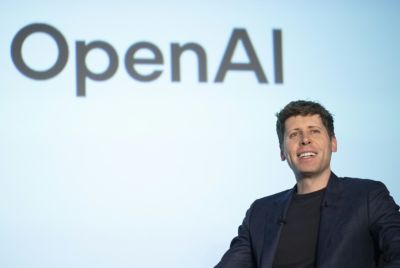
Central to his vision is artificial intelligence, which Gates says has "no upper limit" in potential while carrying serious risks such as job disruption and bioterrorism. He has highlighted AI's role in transforming healthcare delivery in Africa, boosting smallholder farmer productivity and supporting education. A new $50 million partnership with OpenAI aims to bring AI tools to 1,000 health clinics across the continent.
On the climate front, Gates continues championing Breakthrough Energy initiatives. He visited Texas in March for the Breakthrough Energy Ventures Investors Summit and has spotlighted projects like TerraPower's next-generation nuclear reactor in Wyoming, where construction on non-nuclear components is advancing and the nuclear island could begin in 2026. Enhanced geothermal and other zero-emission technologies also feature prominently in his updates.
Yet overshadowing these forward-looking efforts is fresh controversy surrounding Gates' past association with the late sex offender Jeffrey Epstein. Gates has agreed to testify before the House Oversight Committee on June 10 as part of its investigation into Epstein's network. He is one of several high-profile figures, including Goldman Sachs' Kathryn Ruemmler and Leon Black, scheduled to appear.
The billionaire has repeatedly described his meetings with Epstein, which began around 2011 and continued sporadically until 2014, as a "huge mistake." In a February staff meeting at the Gates Foundation, he reportedly spoke candidly, apologized for the distraction it has caused the organization's work and stated he saw nothing illicit during those encounters. A spokesperson confirmed Gates "took responsibility" and expressed regret over every minute spent with Epstein.
The Epstein files have prompted additional fallout. Warren Buffett, a longtime Gates Foundation supporter, indicated he has not spoken with Gates since the latest documents surfaced and suggested future donations could be affected. Gates canceled a planned keynote at an AI summit in India earlier this year amid the controversy.
Despite the distractions, Gates remains deeply engaged in philanthropy. The foundation is streamlining operations, with plans to cut as many as 500 jobs over five years while increasing grantmaking to meet its ambitious 2045 targets. These include dramatic reductions in preventable deaths, improved education outcomes and accelerated climate adaptation.
Gates has emphasized that innovation remains the key to reversing recent setbacks. In videos and posts shared on social media, he stresses that within the next decade the world can not only recover lost ground but enter an era of extraordinary progress through tools like advanced vaccines, AI-driven diagnostics and clean energy breakthroughs. He points to past successes, such as halving child mortality rates through better data and targeted interventions, as evidence that focused effort pays off.
His personal life and reflections have also surfaced. Gates has been open about past mistakes, including extramarital affairs during his marriage to Melinda French Gates, which ended in divorce in 2021. He continues to co-chair the foundation with her, maintaining a professional partnership focused on their shared mission.
Public and media attention often mixes admiration for his giving with skepticism fueled by conspiracy theories and political polarization. Gates has faced criticism from various quarters over his influence on global health policy, vaccine advocacy and climate investments. He has pushed back by highlighting measurable results from foundation-backed programs in polio eradication, malaria control and agricultural productivity.
Looking ahead, Gates is expected to publish a new memoir titled "Source Code," offering insights into his childhood, Microsoft years and personal philosophy. In recent interviews, he has discussed meetings with political figures, including Donald Trump, and weighed in on initiatives like Elon Musk's Department of Government Efficiency, or DOGE.
At the World Economic Forum in Davos earlier this year, Gates participated in panels on global health, emphasizing the need for stronger systems to prevent future pandemics and combat diseases like AIDS, malaria and tuberculosis. He called for renewed international cooperation even as funding landscapes shift.
The coming months will test Gates' ability to keep the spotlight on his philanthropic priorities amid the congressional testimony. Foundation officials have expressed confidence that the organization's work can continue effectively, insulated from personal controversies, but acknowledge the Epstein matter has created unwelcome distractions and reputational challenges.
Gates' fortune, still among the world's largest despite massive giving, underpins the foundation's scale. His pledge to donate virtually all his wealth — roughly $200 billion over two decades — positions the Gates Foundation as a uniquely time-bound force in global development, racing against its own sunset clause to deliver lasting impact.
As April 2026 draws to a close, Gates continues writing on Gates Notes about energy innovation, newborn health tools and the power of data. His message remains consistent: the next five years will be difficult, but decisive action on innovation can avert deeper crises and unlock a brighter future.
Whether testifying on Capitol Hill or championing clean nuclear projects in Wyoming, Gates operates at the intersection of technology, policy and humanitarian ambition. Supporters see a visionary committed to solving humanity's toughest problems; critics question the concentration of influence in one billionaire's hands.
For now, the world's most prominent philanthropist is balancing reflection on past missteps with urgency for the years ahead. With his foundation spending at record levels and major testimony on the horizon, 2026 is shaping up as a pivotal chapter in Bill Gates' extraordinary second act.
© Copyright 2026 IBTimes AU. All rights reserved.
- Recommended For You