Louisiana Reports 5 Deaths From Flesh-Eating Bacteria in Seawater as Cases Surge Above Average This Summer
Louisiana health officials warn of increased Vibrio vulnificus infections linked to warm coastal waters.

Louisiana health officials urged residents Thursday to take precautions following a sharp rise in severe infections tied to a dangerous flesh-eating bacterium found naturally in warm coastal waters, after the state confirmed at least five deaths so far this year.
The Louisiana Department of Health said the state has recorded nine total cases of Vibrio vulnificus in 2026, with all nine patients hospitalized and five of them ultimately dying from the infection. Over the same period across the past decade, Louisiana has averaged just seven cases and one death annually, meaning this year's toll is already running well above the state's historical norm even before the peak of the summer season concludes.
How This Year's Cases Occurred
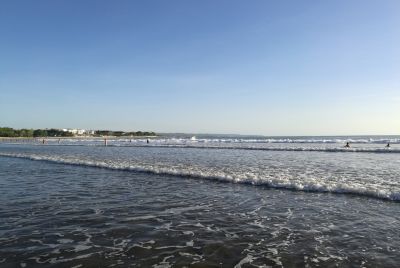
According to the Louisiana Department of Health, all nine cases reported this year were linked to wounds exposed to seawater, and every one of the affected patients had underlying health conditions at the time of infection. In a statement, the department explained that Vibrio bacteria occur naturally in warm coastal waters and are found in higher numbers between May and October, when water temperatures rise. Infection can occur when an open wound is exposed to brackish or salt water, or when a person eats raw or undercooked seafood, particularly oysters.
Vibrio infections can result in a range of illness, from general gastrointestinal illness and wound infections to more severe bloodstream infections, or sepsis. Health officials specifically warned that certain species, including Vibrio vulnificus, can cause severe and life-threatening infections, with some patients requiring intensive care or limb amputation. According to the department, about one in five people infected with Vibrio vulnificus dies, sometimes within just a day or two of first becoming ill.
A Pattern That Has Continued From Last Year
This year's elevated case count follows a similarly severe year in 2025, when Louisiana recorded at least 26 Vibrio vulnificus cases and five fatalities, according to the state health department. That earlier surge included at least two deaths specifically linked to the consumption of raw or undercooked seafood, including one Florida resident who died after eating oysters harvested from Louisiana waters. Jennifer Armentor, the molluscan shellfish program administrator at the Louisiana Department of Health, described the situation during a meeting of the Louisiana Oyster Task Force at the time as, in her words, "just prolific right now," underscoring how unusually active the infection season had become.
A Broader Regional Trend
Louisiana is not alone in seeing an uptick in severe Vibrio vulnificus cases this year. The Florida Department of Health has recorded two deaths from the bacteria so far in 2026, following a particularly severe stretch in recent years that included 19 deaths in 2024 and five more in 2025. Florida health officials have said the state saw notably higher infection rates following major storms, including Hurricane Helene in 2024, which brought extensive floodwater and standing water into coastal communities, conditions that can create additional opportunities for Vibrio exposure.
Experts have also pointed to rising ocean and coastal water temperatures tied to climate change as a factor contributing to the bacteria's spread into new regions. Vibrio vulnificus was detected for the first time this spring in water samples taken from coastal areas of New York's Long Island, a location well outside the bacteria's traditional range in the warmer waters of the Gulf Coast and southeastern United States.
Understanding the Risk
Vibrio vulnificus is one of roughly a dozen Vibrio species capable of causing the broader illness known as vibriosis, but it is considered the most serious and potentially life-threatening of the group, according to the U.S. Centers for Disease Control and Prevention. The bacteria are most commonly contracted between May and October, when ocean water temperatures reach their warmest levels, and can enter the body either through an open wound exposed to seawater or through the consumption of raw or undercooked shellfish, particularly oysters.
Health officials have emphasized that people with certain preexisting health conditions face significantly elevated risk of severe illness or death if infected. Those at highest risk include individuals with liver disease, weakened immune systems, or other conditions that impair the body's ability to fight off infection, a pattern consistent with this year's Louisiana cases, in which every affected patient had an underlying health condition at the time of infection.
What Residents Are Being Advised to Do
The Louisiana Department of Health urged residents to seek medical care immediately if a wound exposed to brackish or salt water becomes red, swollen, painful, warm or discolored, and stressed the importance of specifically informing any treating health care provider about the wound's water exposure, given how quickly Vibrio vulnificus infections can progress to a severe or life-threatening stage.
Beyond wound-related exposure, health officials also recommended a series of precautions aimed at reducing the risk of infection through seafood consumption. Recommendations included cooking seafood thoroughly rather than eating it raw or undercooked, wearing gloves when handling raw shellfish, and keeping raw seafood separated from cooked food to avoid cross-contamination. For those with open wounds, officials advised avoiding exposure to saltwater or brackish water altogether when possible, and, if entering the water cannot be avoided, covering the wound with a waterproof bandage and thoroughly washing it afterward.
A Season That Isn't Over Yet
With Vibrio infections historically continuing through October as coastal water temperatures remain elevated, health officials in Louisiana have signaled that this year's case and fatality totals could still climb further before the season's typical seasonal decline begins later in the fall. Given that this year's toll has already surpassed the state's 10-year historical average with several weeks of peak risk still remaining, health officials are continuing to urge heightened caution among residents and visitors engaging in coastal water activities or preparing raw seafood throughout the remainder of the summer.
© Copyright 2026 IBTimes AU. All rights reserved.
- Recommended For You