

FDA Recalls Cetirizine Allergy Tablets Sold as Generic Zyrtec After Cross-Contamination Risk With Ranitidine
FDA Issues Recall for Cetirizine Tablets Contaminated with Ranitidine
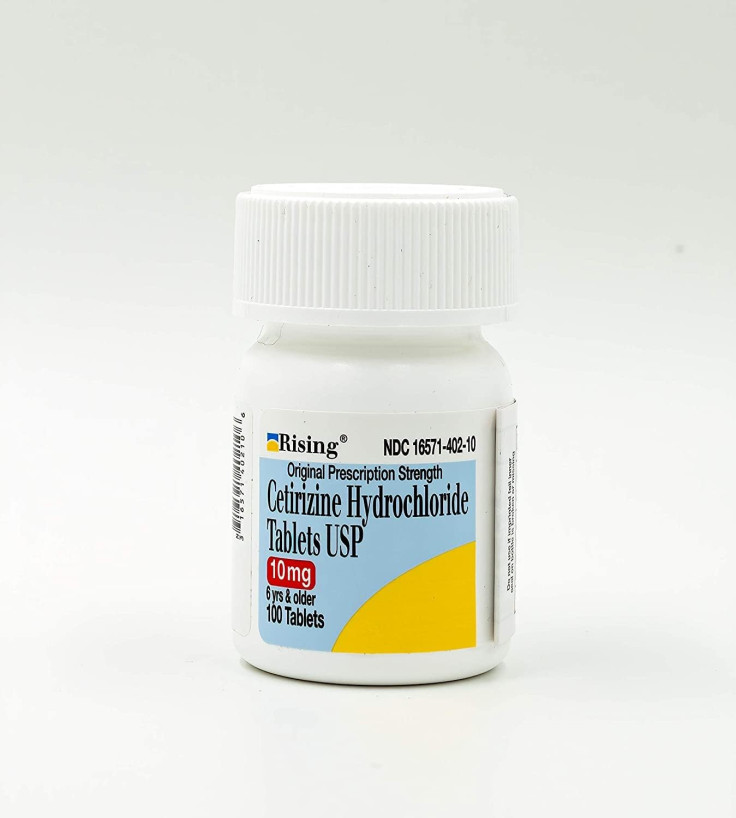
The Food and Drug Administration has announced a nationwide recall of a widely sold over-the-counter allergy medication after manufacturers discovered some tablets may have been cross-contaminated with a heartburn drug that can trigger severe, potentially life-threatening allergic reactions in sensitive consumers.
Unique Pharmaceutical Laboratories, a division of J.B. Chemicals & Pharmaceuticals Ltd., announced the voluntary recall on July 18, covering four lots of cetirizine hydrochloride tablets sold under the generic equivalent of Zyrtec. The FDA published the announcement two days later, on July 20.
What triggered the recall
The issue surfaced after a pharmacy technician noticed something unusual while counting tablets before dispensing them to a customer. The technician spotted a red dot on some of the cetirizine tablets, and several others appeared discolored, prompting further investigation that identified possible contamination with ranitidine, a medication once sold widely under the brand name Zantac.
Ranitidine works by reducing the amount of acid the stomach produces and is commonly used to treat heartburn, acid indigestion, ulcers and gastroesophageal reflux disease. Cetirizine, by contrast, is an antihistamine used to relieve common allergy symptoms such as sneezing, a runny or itchy nose, and irritated eyes.
The health risk
The FDA said the danger lies with consumers who have a hypersensitivity to ranitidine's ingredients, even if they have no issue with cetirizine itself. In its recall notice, the agency stated that ingestion of contaminated tablets "could result in serious adverse events including severe hypersensitivity reactions and anaphylaxis."
Those reactions can include low blood pressure, difficulty breathing, trouble swallowing, swelling of the throat or face, hives, widespread itching and loss of consciousness. The FDA and the manufacturer both describe the full range of these symptoms as potentially life-threatening.
Despite the severity of the risk, Unique Pharmaceuticals said it has not received any reports of adverse events connected to the affected tablets as of the recall announcement.
Which products are affected
The recalled tablets are 5-milligram cetirizine hydrochloride tablets, USP, sold in bottles of 100 under National Drug Code 16571-401-10. The recall covers four specific lot numbers: GY825029, GY825030, GY825031 and GY825032, all carrying an expiration date of October 2028.
The affected tablets were distributed nationwide by Rising Pharma Holdings Inc. Consumers who purchased the medication are advised to check the lot number printed on their bottle against the recalled list to determine whether their supply is affected.
Rising Pharma Holdings said it has already reached out by email to customers known to have received the affected lots to arrange returns. Consumers with questions about the recall, or who are unsure whether their product is included, can contact the company at 1-844-874-7464 during business hours, Monday through Friday from 8 a.m. to 5 p.m. Eastern time, or by email at [email protected] or [email protected].
The FDA also encouraged consumers who experience any adverse reactions they believe may be related to the recalled tablets to report them through the agency's MedWatch Adverse Event Reporting program, which accepts reports online, by mail or by fax.
Ranitidine's troubled recent history
The contamination risk is notable in part because of ranitidine's own complicated regulatory history. The FDA pulled ranitidine from the market entirely in 2020 after an investigation found that some products contained elevated levels of N-Nitrosodimethylamine, or NDMA, a compound classified as a probable human carcinogen. That withdrawal affected numerous manufacturers, including earlier recalls of ranitidine capsules over the same NDMA contamination concern.
The drug's absence from the market lasted several years before a reformulated version of ranitidine was approved by the FDA and reintroduced last year, according to the recall notice. Its more recent reappearance is part of why cross-contamination with cetirizine production lines has again become a live safety concern.
A pattern of overlapping recalls
This recall arrives amid a broader stretch of food and drug recalls that have drawn regulatory attention in recent weeks. Federal health officials have simultaneously been investigating a cyclospora outbreak linked to lettuce, and consumers have faced a string of unrelated recalls across food and consumer products in recent months.
For cetirizine specifically, health officials emphasized that the contamination concern is isolated to the four identified lots from Unique Pharmaceutical Laboratories and does not extend to cetirizine products manufactured by other companies or sold under other brand names, provided those products are not linked to the same lot numbers.
What consumers should do
Health officials recommend that anyone with the recalled bottles in their medicine cabinet stop using the product immediately, particularly if they have any known sensitivity to ranitidine or its ingredients. Consumers are urged to check both the drug name and the lot number on their bottle, since the tablets were sold under a generic label rather than a distinctive brand name, making the lot number the most reliable way to confirm whether a specific bottle is affected.
Anyone who is uncertain whether they have taken an affected tablet, or who develops symptoms consistent with an allergic reaction after using the product, is advised to contact a physician or healthcare provider promptly. The FDA has stressed that the symptoms tied to this contamination risk, including throat or facial swelling and difficulty breathing, can escalate quickly and should be treated as a medical emergency if they occur.
The FDA continues to monitor the situation and has not indicated whether additional lots or manufacturers may be affected as the investigation into the source of the contamination continues. Consumers are encouraged to check the FDA's recall database directly for updates as the case develops.
© Copyright 2026 IBTimes AU. All rights reserved.