

Prince Harry's UK Visit Thrown Into Doubt After Security Body Refuses Round-the-Clock Police Protection
Security concerns cast doubt on Prince Harry's planned UK visit with Meghan and children.
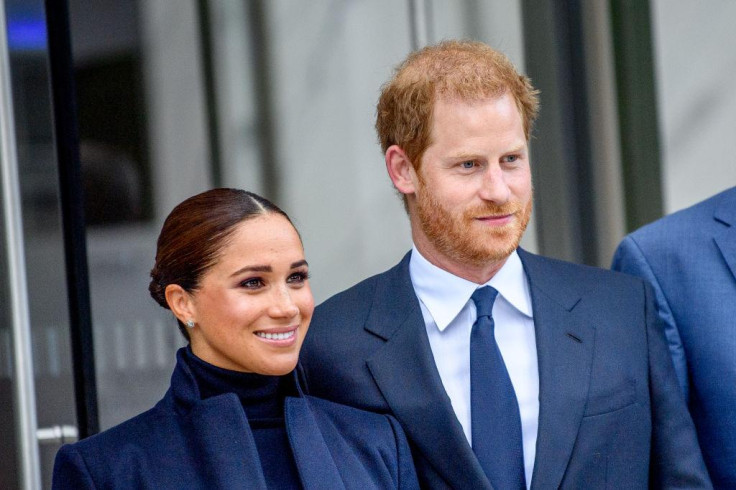
LONDON — Prince Harry's planned return to Britain with his wife Meghan Markle and their two children has been thrown into uncertainty after he was informed by the government body that controls police protection for royals and VIPs that his family will not receive taxpayer-funded, round-the-clock police security for the trip, reviving one of the most persistent and publicly divisive disputes of his post-royal life.
According to multiple reports, Harry confirmed plans to travel to the United Kingdom with Meghan, Prince Archie and Princess Lilibet for engagements tied to the one-year countdown before Birmingham hosts the 2027 Invictus Games. The visit was expected to include appearances at Chatham House in London and at the Royal Hospital Chelsea, with a broader public event anticipated ahead of the Games opening in Birmingham on July 10, 2027.
Harry is said to have reconsidered those plans within hours of announcing them after being informed by the Royal and VIP Executive Committee, known as RAVEC, that the standard taxpayer-funded police protection he has long sought for his family would not be provided when they are traveling outside a royal residence. King Charles had offered accommodation at what is believed to be Buckingham Palace, but the monarch does not control security decisions. Those are made independently by RAVEC, a cross-governmental body that determines which individuals receive protection from the Metropolitan Police's specialist protection command.
The reversal prompted pointed commentary from royal observers who noted the awkwardness of the situation for the Duke. Editor Russell Myers, speaking on the program "Loose Women," summed up the sequence of events.
"Harry has jumped the gun it looks like, because he thought he was going to be afforded this protection which he so craves, and yet what has happened is he put out a statement saying the whole family was coming to the UK, and then had to row back on it," Myers said.
Myers also highlighted the complexity of the security question surrounding a figure of Harry's background and the genuine threats he has faced.
"Harry is the son of the King, a former British soldier, and there have been threats against him and his family," he said. "It is difficult to understand how the proportionality of the current arrangements can credibly be maintained without that independent assessment."
The security dispute has its roots in Harry's decision alongside Meghan to step back from front-line royal duties in January 2020 and subsequently relocate to California, a move that triggered a government review of whether he remained entitled to publicly funded protection in Britain. RAVEC concluded that Harry's new circumstances as a non-working royal based overseas meant he would no longer receive automatic protection, a decision the Duke has repeatedly challenged through the British courts and public statements, arguing that the risks to his family have not diminished simply because of his changed royal status.
Harry is estimated to spend approximately $3 million, or around £2.2 million, each year on private security in the United States, a cost he has cited in legal proceedings as evidence of the financial burden imposed on him by Britain's refusal to extend publicly funded protection when he visits the country. He has argued that the inability to guarantee appropriate security for his family is a direct constraint on how often he can bring Meghan and their children to Britain, since private protection teams operating in the United Kingdom lack the legal authority, powers of arrest and institutional coordination with police that government-assigned protection officers possess.
That argument was underscored by an incident during one of Harry's court appearances in London earlier this year, when reports emerged that his private security team identified what was described as a stalker in the public gallery but had no legal power to intervene because the proceedings were taking place in a public building. Supporters of the Duke have pointed to that episode as a concrete illustration of the protection gap he describes.
The timing of the visit, designed around the Invictus Games countdown, carries particular significance for Harry. The Games, the international sporting competition for wounded, injured and sick armed forces personnel that Harry founded in 2014, remain his most visible ongoing public project and one that commands genuine goodwill across the British public independent of the broader controversies surrounding him. The Birmingham edition, which will open in July 2027, is expected to be the largest in the competition's history, and the countdown event he had planned to attend was seen as a meaningful moment to publicly commit to and celebrate a project that directly benefits veterans of British military service.
The visit had also been anticipated as a possible opportunity for Harry to spend time with King Charles, who is reported to have had limited direct contact with Prince Archie and Princess Lilibet since the Sussex family relocated to California, a dynamic that has reportedly deepened a sense of frustration within parts of the palace at the way the ongoing security dispute has constrained family contact.
Despite the uncertainty, Harry is not expected to abandon the trip entirely. Reports indicate he will still travel to Britain relying on his own private protection team rather than canceling the engagement altogether. A source familiar with the arrangements has said Harry always travels with at least one or two members of his personal security detail, and the Sussex family had already ruled out traveling by private jet, planning instead to arrive with their bodyguards through standard commercial channels.
The Home Office is reviewing its current approach to Harry's security in the context of a broader independent assessment of RAVEC arrangements, a review that Harry's legal team has long argued is necessary before any credible determination about the proportionality of current protections can be made.
The situation highlights the continuing, unresolved tension between Harry's desire to bring his children to Britain for family and charitable engagements, and a security apparatus that has so far declined to accommodate his request for the same level of publicly funded protection he received as a working royal, leaving the question of when, and under what conditions, the Sussex family can realistically travel to the United Kingdom as unsettled now as it has been at any point since they departed for California more than five years ago.
© Copyright 2026 IBTimes AU. All rights reserved.