Michael Jordan's Competitive Fire Ignites NASCAR: Fighting for Big Change & Winning Big
Michael Jordan, the NBA legend whose relentless drive produced six championships and a legacy of unmatched competitiveness, has carried that same "competitive gene" into NASCAR ownership. Through 23XI Racing and a high-stakes antitrust lawsuit against the sport's governing body, Jordan has pushed for structural reforms while his team delivers dominant early results in the 2026 Cup Series season.
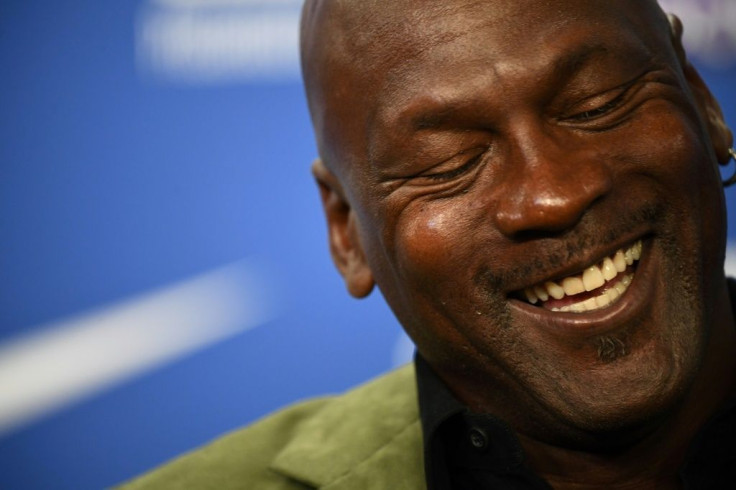
In a recent interview with CBS' Gayle King, Jordan made clear the lawsuit was never just business. "I was all in. I was aggressively gonna win," he said, adding that he was prepared to risk being "kicked out of the sport" if it meant waking people up to what he viewed as unfair practices. "I became a competitor all over again."
Jordan co-owns 23XI Racing with driver Denny Hamlin. The team entered the spotlight when it, along with Front Row Motorsports, refused to sign NASCAR's 2024-2025 charter agreement, calling it a "take it or leave it" deal that favored the France family-controlled organization. The resulting federal antitrust lawsuit accused NASCAR of monopolistic practices that limited team equity and revenue sharing.
The case reached trial in December 2025 in Charlotte. After eight days of testimony — including Jordan taking the stand and describing himself as unafraid to challenge the sport's power structure — the parties settled on Dec. 11. The agreement delivered permanent "evergreen" charters for all teams, improved revenue distribution, and a stronger voice for team owners in future decisions. NASCAR avoided a jury verdict on monopoly claims, while 23XI and Front Row secured the stability they sought.
Jordan framed the outcome as progress for the entire sport. In a joint statement, he said the lawsuit was "about making sure our sport evolves in a way that supports everyone: teams, drivers, partners, employees and fans." He emphasized building equity and investing in the future so NASCAR can grow for generations.
The settlement cleared the way for a focused 2026 season. 23XI Racing has responded with explosive on-track performance that has turned heads across the garage. Driver Tyler Reddick, in the No. 45 Toyota, opened the year with back-to-back victories at the Daytona 500 and Atlanta Motor Speedway. He added wins at Circuit of the Americas and Darlington Raceway, giving the team four victories in the first six races of 2026 — a historic pace in the Next Gen car era.
Reddick's Daytona triumph marked 23XI's first Daytona 500 win. Jordan, who attended the race, reacted with visible emotion, later saying it "feels like I won a championship" and praising Reddick's "clutch gene" under pressure. Teammate Bubba Wallace, in the No. 23 car, has posted consistent top-15 finishes and sits near the top of the standings alongside Reddick.
The team's third full-time entry, the No. 35 driven by Riley Herbst, and development driver Corey Heim's expanded Cup schedule add depth. Jordan has been a visible presence at races, celebrating wins in Victory Lane and underscoring his hands-on approach. Brand momentum has followed: Jordan Brand has deepened its involvement, outfitting pit crews with specialized shoes and exploring retail collaborations, while sponsors show growing interest.
Jordan's entry into NASCAR ownership in 2020 was rooted in personal passion. A longtime fan influenced by his father, he saw an opportunity to bring his competitive ethos to a sport he loved. Early on, he spoke of wanting to win races and championships while helping diversify the fan base and garage. His partnership with Hamlin combined basketball royalty with NASCAR expertise.
The charter dispute tested that commitment. Jordan testified that he felt compelled to act when he perceived the system limited teams' ability to build sustainable value. "Someone had to step forward," he told the court. "I wasn't afraid." He described learning the business side of NASCAR and becoming dissatisfied with aspects that he believed hindered growth and fairness.
Critics and supporters alike noted the lawsuit's significance. Without Jordan's resources and willingness to confront the France family — NASCAR's controlling owners — the challenge might never have reached this point. Analysts described the settlement as a win for teams seeking permanence and a pragmatic outcome that allowed the sport to move forward without prolonged disruption.
NASCAR executives have acknowledged the need for evolution. The new charter framework provides long-term stability that many owners had sought for years. With the legal chapter closed, attention has shifted to competition and growing the sport's audience. Jordan's high profile and 23XI's early success have generated fresh buzz, potentially attracting younger fans and corporate partners.
On the track, Reddick's dominance has drawn praise from veterans like Kevin Harvick, who credited 23XI with having the fastest cars in the early going. The team has adapted well to NASCAR's 2026 technical package adjustments, showing strength on superspeedways, intermediates, road courses and now traditional short tracks like Darlington.
Jordan has repeatedly credited Hamlin as the "mastermind" behind operational success while emphasizing team-wide effort. He has also highlighted the importance of creating an environment where drivers and crew can thrive. Wallace, one of NASCAR's most visible Black drivers, has spoken about the platform 23XI provides for broader representation.
Beyond racing, Jordan's involvement continues to blend his iconic brand with motorsports. Speculation persists about potential Air Jordan-themed collaborations or expanded merchandising. His presence at races — often in team gear and engaging with fans — reinforces authenticity rather than celebrity detachment.
The 2026 season remains young, but 23XI's four wins in six races have already rewritten expectations. Reddick holds a substantial points lead, positioning the team as a championship contender. Jordan has tempered expectations publicly while embracing the momentum, echoing his famous "Winning. That's what it's about!" mindset from basketball days.
Industry observers say Jordan's willingness to fight for change, even at personal and financial risk, has left a lasting mark. The permanent charter system and enhanced team equity represent tangible shifts that could strengthen NASCAR's business model long-term. At the same time, his team's on-track results demonstrate that competitive excellence and advocacy can coexist.
Jordan, now in his 60s, shows no signs of diminishing intensity. Whether celebrating a Daytona 500 victory or reflecting on courtroom battles, he approaches NASCAR with the same fire that defined his playing career. "I love that competitive juice," he has said of drivers and teammates who share his drive.
As the Cup Series progresses through 2026, all eyes remain on 23XI Racing and its high-profile owner. Jordan's dual legacy — as a champion who transformed basketball and now as an owner fighting to evolve stock car racing — continues to unfold. For a sport historically rooted in Southern tradition, his influence has injected new energy, broader appeal and a demand for fairness that resonates beyond the garage.
With permanent charters secured and victories accumulating, Michael Jordan's competitive gene is proving as potent on the NASCAR circuit as it was on the hardwood. The question now is how far that drive — and the changes it helped spark — will carry both his team and the sport into the future.
© Copyright 2026 IBTimes AU. All rights reserved.
- Recommended For You