Trump Weighs Limited Military Strike on Iran as Nuclear Talks Stall: Latest Updates and Reactions
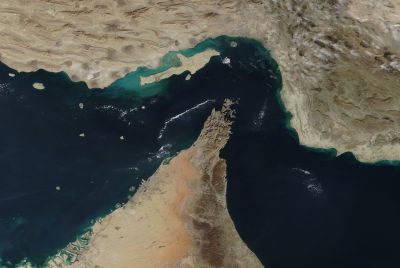
President Donald Trump said Friday he is considering a limited military strike on Iran as a means to compel Tehran to negotiate a new deal curbing its nuclear program, escalating tensions amid a U.S. military buildup in the region and indirect talks that have yielded no breakthroughs.
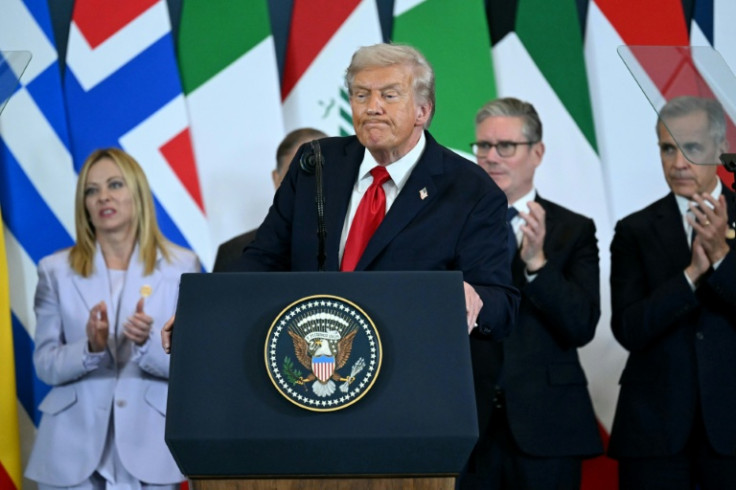
The remark came during a White House briefing with reporters, where Trump responded to a question about potential action following his earlier ultimatum giving Iran roughly 10 days to agree to terms. "I guess I can say, I am considering that," Trump stated, framing the strike as a negotiating tactic to "nudge along" discussions. He added that Iranian leaders "better negotiate a fair deal," noting that the country has "lived in hell" under current sanctions and internal unrest.
Trump's comments follow a day after he expressed optimism about a possible agreement, but they underscore growing impatience in Washington. U.S. officials have indicated that any strike would be initial and targeted, aimed at Iran's nuclear facilities or military assets without escalating to full-scale war. This approach echoes last year's U.S. strikes on Iranian sites in response to Israeli airstrikes, which prompted Iranian retaliation and heightened regional instability.
Iranian Foreign Minister Hossein Amir-Abdollahian responded by announcing that Tehran is preparing a nuclear counterproposal, with a draft potentially ready for internal review in the coming days. He emphasized that Iran seeks a "fair" agreement but warned against U.S. threats, stating they risk derailing diplomacy. Indirect negotiations, mediated in Oman, have focused on removing enriched uranium from Iran and capping its missile program, but progress remains elusive.
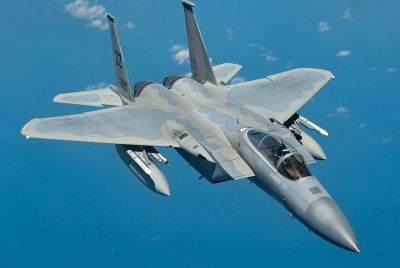
The U.S. has bolstered its military presence, deploying a second aircraft carrier, the USS Gerald R. Ford, to the Middle East alongside the USS Abraham Lincoln, providing enhanced strike capabilities. This "armada" includes F-35 fighter jets and other assets, positioned amid Iran's joint military drills with Russia and recent incidents like the downing of an Iranian drone approaching U.S. forces.
Reactions poured in swiftly. Former National Security Adviser John Bolton urged Trump to have set a "departure date" for Iran's supreme leader long ago, advocating for sustained force if strikes occur. Bipartisan lawmakers like Reps. Mike Lawler (R-N.Y.) and Josh Gottheimer (D-N.J.) opposed any war powers resolution requiring congressional approval, arguing it "risks signaling weakness."
Market analysts warned that Trump's threat is being "vastly underestimated," with potential oil price spikes and economic disruptions if conflict erupts. Stocks dipped slightly Friday, while oil futures rose amid fears of Red Sea shipping interruptions tied to ongoing Houthi attacks.
Internationally, allies expressed caution. Israeli Prime Minister Benjamin Netanyahu, after meeting Trump, supported pressure on Iran but stopped short of endorsing strikes. European leaders urged restraint, with the EU's foreign policy chief calling for renewed diplomacy to revive elements of the 2015 nuclear accord Trump abandoned in 2018.
The backdrop includes Iran's domestic protests, where hundreds have been killed in crackdowns, and its support for proxies like Hezbollah and the Houthis, complicating U.S. strategy. Trump has vowed to "knock the hell out of" Iran's nuclear program if rebuilt, tying it to broader "America First" policies.
Experts like Terry Haines of Pangaea Policy noted the risks, saying limited strikes could spiral into wider conflict given Iran's ballistic missile capabilities. A senior regional diplomat told outlets that even a modest attack would prompt Iran to abandon talks.
The situation echoes historical U.S.-Iran frictions, from the 1979 hostage crisis to recent shadow wars. Trump's approach builds on his first-term "maximum pressure" campaign, which imposed crippling sanctions but failed to halt uranium enrichment.
As talks loom, the fate of imprisoned American journalist Jason Rezaian — held in Iran — hangs in the balance, with his release potentially linked to negotiations. Trump administration officials have run covert ops to aid Iranian protesters, including smuggling Starlink devices.
Congressional Democrats pushed for oversight, with some introducing bills to require authorization for strikes. Public opinion remains divided, with polls showing wariness of another Middle East entanglement amid domestic priorities.
Trump's team insists diplomacy remains the goal, but with carriers in position and deadlines ticking, the region braces for potential escalation. As one source put it, "The president always has a range of options."
© Copyright 2026 IBTimes AU. All rights reserved.
- MOST POPULAR IN Politics & Policy