Stephen Curry Injury Update: Warriors Star Rested vs Lakers After Knee Return, Eyes Full Play-In Ramp-Up
SAN FRANCISCO — Golden State Warriors superstar Stephen Curry sat out Thursday night's regular-season home finale against the Los Angeles Lakers as part of a cautious knee-injury management plan, but coach Steve Kerr confirmed the 38-year-old point guard is expected to play Friday against the Sacramento Kings and should be available for the upcoming NBA Play-In Tournament.

Curry, who missed 27 consecutive games with patellofemoral pain syndrome — commonly known as "runner's knee" — accompanied by bone bruising in his right knee, made his long-awaited return Sunday against the Houston Rockets. He played limited minutes in a 117-116 loss, receiving a thunderous ovation from the Chase Center crowd before tipoff and during warm-ups.
In post-return comments, Curry described feeling "good" with some initial nerves but expressed satisfaction with his conditioning after an exhaustive rehabilitation process that proved longer and more unpredictable than anticipated. He acknowledged the injury forced him to accept a "new normal" with his knee, noting there is no structural damage but that reactions to activity required careful pacing during the first month of recovery.
The Warriors have emphasized a deliberate ramp-up to protect Curry for the postseason push. After playing in back-to-back games earlier this week, the team opted to rest him Thursday against the Lakers — the front end of a back-to-back — prioritizing long-term health over the final regular-season contest. Kerr stated the decision was "100 percent health related," adding that Curry is progressing well and should be ready for Friday night's matchup.
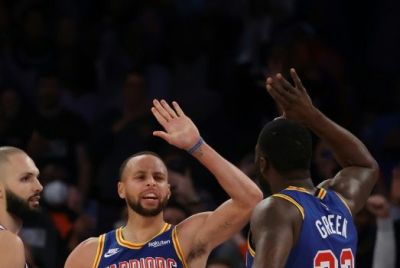
Curry last played Jan. 30 against the Detroit Pistons before the knee issue sidelined him. The injury disrupted Golden State's season, contributing to a challenging stretch that left the Warriors fighting for Play-In positioning in the Western Conference. During his absence, the team leaned on younger players and veterans like Draymond Green, with Curry providing leadership and motivation from the sidelines.
Rehabilitation involved intensified individual on-court workouts by late March, followed by integration into team practices and eventual clearance for live 5-on-5 action. Medical staff monitored his progress closely, with multiple re-evaluations confirming steady improvement. Curry himself described the rehab as mentally and physically draining, longer than the initial one-to-two-week expectation, but he remained optimistic about contributing meaningfully once cleared.
The four-time NBA champion and two-time MVP has averaged 27.2 points per game this season when healthy, continuing to showcase his elite shooting range and playmaking despite entering his late 30s. His return has boosted morale and given the Warriors a much-needed offensive spark as they prepare for potential Play-In games next week.
Kerr has stressed that the team is not rushing Curry back solely for the Play-In; instead, they aim to build his minutes and conditioning gradually so he can perform at a high level if Golden State advances. Curry echoed that mindset, saying he understands his body's current limitations and is focused on sustainable health rather than forcing early heroics.
Fans and analysts have reacted positively to the careful approach, recalling past instances where stars returned too aggressively from soft-tissue injuries and suffered setbacks. The Warriors' medical and performance staff, led by vice president of player health and performance Rick Celebrini, have received praise for the methodical process that allowed Curry to return without immediate complications.
Curry's leadership during the absence stood out. He pushed teammates like Green through tough stretches, emphasizing resilience and the chance to "do something special" in the final games. His presence on the bench and in huddles provided continuity even as the roster navigated injuries and inconsistent play.
The timing of Curry's return coincides with a critical stretch for the Warriors. With the regular season winding down, every game carries playoff implications. Friday's contest against the Kings offers another opportunity to test Curry's minutes restriction in a competitive environment while managing the back-to-back fatigue.
Patellofemoral pain syndrome involves irritation around the kneecap, often triggered by repetitive stress in athletes who rely on explosive movements and quick directional changes — staples of Curry's off-ball movement and shooting mechanics. Bone bruising added complexity, requiring time for inflammation to subside and strength to rebuild.
Medical experts note that such injuries in veteran players can linger due to cumulative wear, but Curry's elite conditioning, shooting efficiency and basketball IQ allow him to contribute even with managed minutes. His ability to space the floor and create for teammates remains a game-changer regardless of workload.
As the Warriors eye the Play-In Tournament, Curry's availability could prove decisive. Golden State has shown flashes of championship-caliber basketball when healthy, but consistency has been elusive without their franchise face. A fully ramped-up Curry could transform matchups against potential opponents like the Lakers or others in the crowded Western Conference.
Curry has spoken openly about the mental side of the recovery, admitting initial frustration when setbacks occurred but finding clarity once the timeline extended. He remains grateful for the support from teammates, coaches and fans, whose energy during his return Sunday created an emotional moment at Chase Center.
Looking ahead, the Warriors will continue monitoring Curry's knee on a day-to-day basis. Any swelling or discomfort will dictate minute restrictions, with the ultimate goal of having him at peak readiness for whatever playoff path materializes. Kerr has indicated flexibility in rotation plans to ensure Curry does not overextend early in his return phase.
For Warriors fans, Thursday's rest was a minor disappointment after weeks of anticipation, but it underscores the franchise's commitment to long-term success over short-term gratification. Curry's history of durability and clutch performances offers reassurance that, once fully integrated, he can elevate the team's ceiling significantly.
The broader NBA landscape watches closely. Curry's return adds intrigue to the final days of the regular season and the unpredictable Play-In format, where star power often decides single-elimination games. His shooting gravity alone forces defensive adjustments that open opportunities for teammates.
As of Friday morning, Curry is listed as probable or expected to play against Sacramento, barring any overnight setbacks. The organization continues to provide regular updates through official channels, maintaining transparency with supporters eager for the splash brother's trademark deep-range threes.
Stephen Curry's journey back from this nagging knee issue highlights the physical demands of an 82-game season on even the most transcendent talents. At 38, he continues redefining longevity for a guard who revolutionized the game with his shooting. His cautious but optimistic return signals hope for Golden State fans that the second half of the season — and potentially the postseason — can still deliver memorable moments.
Whether the Warriors make a deep run or not, Curry's resilience during rehab and measured comeback serve as another chapter in his storied career. For now, the focus remains on smart management, incremental progress and positioning the team for success when it matters most.
© Copyright 2026 IBTimes AU. All rights reserved.
- Recommended For You