Victor Wembanyama's Full Injury History Raises Concerns as Concussion Sidelines Spurs Star in Playoffs
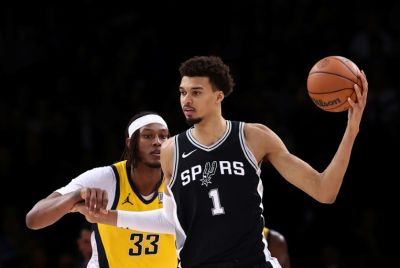
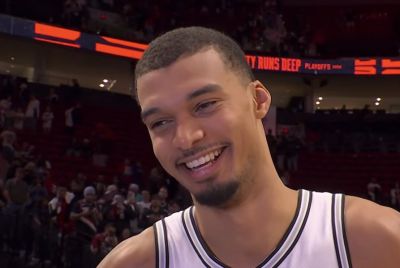
SAN ANTONIO — Victor Wembanyama's latest injury — a diagnosed concussion suffered in Game 2 of the first-round playoff series against the Portland Trail Blazers — has renewed scrutiny of the 22-year-old superstar's injury history and raised questions about his long-term durability as he navigates the physical demands of the NBA.

Wembanyama was ruled out of the remainder of Tuesday's game after a hard face-first fall following contact with Portland guard Jrue Holiday. He has since been placed in the NBA's concussion protocol and is considered highly unlikely to play in Game 3 on Friday in Portland. The incident marks the latest chapter in a surprisingly lengthy injury list for a player still early in his professional career.
Here is a complete timeline of Victor Wembanyama's known injuries since entering the NBA:
- December 2023 (Rookie Season): Missed two games with a right ankle sprain after landing awkwardly in a game against the Memphis Grizzlies. The injury occurred early in his rookie year but did not require extended time away from the court.
- January 2024: Suffered a left ankle sprain that sidelined him for three games. The back-to-back ankle issues prompted the Spurs to implement stricter load management protocols for the 7-foot-4 phenom.
- February 2024: Developed plantar fasciitis in his right foot, forcing him to miss six games. The condition, common among tall players, highlighted concerns about the stress placed on his lower extremities due to his extraordinary height and frame.
- March 2024: Strained his lower back during a game against the New York Knicks. He missed four games while recovering from the back issue, which coaches attributed to the physical toll of defending and rebounding against larger opponents.
- November 2024 (Second Season): Missed three games with a right hip pointer after colliding with an opponent during a drive to the basket. The injury required careful monitoring to prevent it from affecting his mobility and defensive range.
- January 2025: Suffered a left knee contusion that kept him out for two games. This was one of several minor lower-body issues that appeared throughout his second season as his minutes increased.
- March 2025: Developed right shoulder soreness after a heavy collision, missing one game. The shoulder issue was described as precautionary, but it added to the growing list of upper-body concerns.
- Late March 2025: Rib contusion after taking an elbow to the torso in a game against the Denver Nuggets. He missed five games with the rib injury, which caused significant pain when breathing and moving.
- April 2026 (Current Season): Diagnosed concussion after the hard fall in Game 2 of the playoffs against the Portland Trail Blazers on April 21. As of April 23, Wembanyama has not been cleared and is progressing slowly through the NBA's concussion protocol.
The Spurs have been cautious with Wembanyama since he was selected first overall in the 2023 draft. Coach Mitch Johnson and the medical staff have repeatedly emphasized load management and injury prevention, often limiting his minutes in back-to-back games and monitoring his workload closely.
Despite the injuries, Wembanyama has shown remarkable resilience and rapid improvement. In his rookie season he won Defensive Player of the Year and finished runner-up for Rookie of the Year. In 2025-26 he emerged as a legitimate MVP candidate, anchoring one of the league's best defenses while developing into a versatile offensive threat capable of scoring inside, stretching the floor with threes, and facilitating for teammates.
Medical experts note that tall players like Wembanyama face unique biomechanical challenges. His 7-foot-4 frame generates significant force on joints and muscles during jumps, landings and collisions. The combination of length and agility that makes him a generational defender also increases stress on ankles, knees, hips and his back. The recent concussion adds a new layer of concern, as head injuries require careful management to avoid long-term effects.
Spurs leadership has consistently downplayed the frequency of the injuries, describing many as minor and manageable. However, the cumulative effect has led some analysts to question whether the team needs to adjust its development plan to better protect their franchise cornerstone. Suggestions include further reducing minutes in the regular season, optimizing strength and conditioning programs for his unique body type, and potentially altering his playing style to minimize high-impact collisions.
Wembanyama himself has remained positive and mature in public comments. He has spoken openly about learning to listen to his body and working with trainers on mobility and core stability to reduce future risk. In interviews, he has emphasized that staying healthy is his top priority as he aims for a long and successful career.
The current concussion has disrupted what had been a strong playoff debut for the Spurs. Wembanyama delivered a dominant 35-point performance in Game 1, showcasing the full range of his skills. Without him in Game 2, San Antonio's interior defense noticeably weakened, allowing Portland to even the series at 1-1.
Looking ahead, the Spurs face a critical decision on his return timeline. Concussion protocol typically requires a minimum of several days to two weeks, depending on symptom resolution. A rushed return risks prolonging recovery or causing second-impact syndrome, a rare but dangerous condition. Most observers expect Wembanyama to miss at least Games 3 and 4, with a possible return for Game 5 or later if symptoms clear quickly.
The broader narrative around Wembanyama's durability has become a recurring theme. While no single injury has been catastrophic, the frequency has prompted comparisons to other tall stars who struggled with durability early in their careers. Supporters point out that many young big men experience growing pains as their bodies adapt to the NBA's physicality, and they expect Wembanyama to become more resilient with age and targeted training.
For the Spurs organization, protecting Wembanyama remains paramount. The team has invested heavily in sports science, nutrition and recovery protocols tailored to his physiology. Future plans may include even more conservative minute restrictions during the regular season to preserve him for deeper playoff runs.
As the Western Conference playoffs continue, the basketball world watches closely for updates on Wembanyama's status. His absence tests the depth and resilience of a young Spurs roster that has exceeded expectations this season largely because of his transformative presence on both ends of the floor.
Wembanyama's full injury history, while concerning in volume, has not yet derailed his rapid ascent. At just 22 years old, he has already established himself as one of the most impactful players in the league. If he can navigate the current concussion safely and continue refining his body management, his ceiling remains among the highest in NBA history.
For now, the focus stays on careful recovery and gradual return to play. The Spurs will lean on their supporting cast in the short term while hoping their franchise cornerstone can rejoin the lineup soon — healthy, rested and ready to lead San Antonio deeper into the postseason.
© Copyright 2026 IBTimes AU. All rights reserved.
- Recommended For You