Peter Thiel Hosts Closed-Door Antichrist Lectures in Rome, Drawing Vatican Scrutiny
ROME — Billionaire tech investor and longtime Donald Trump ally Peter Thiel launched a private, invitation-only lecture series in Rome this week exploring the concept of the Antichrist, drawing sharp criticism from Catholic commentators, questions in Italy's parliament and renewed focus on his blend of religious philosophy, technology and conservative politics.
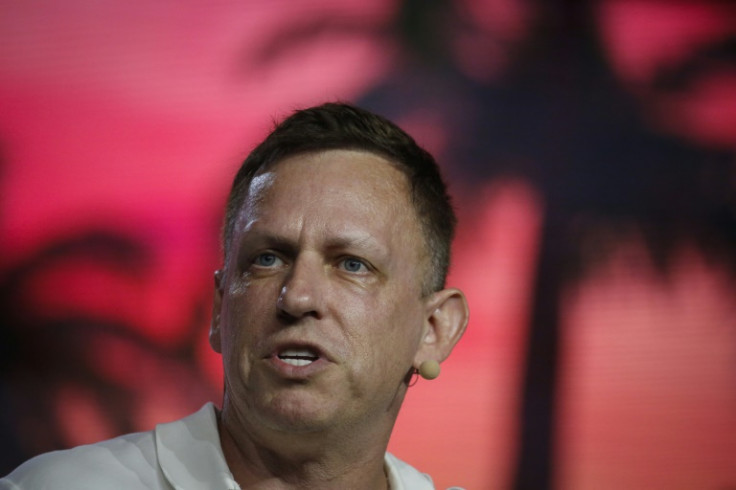
The four-lecture event, which began Sunday, March 15, 2026, and runs through Wednesday, remains closed to the press with its exact venue undisclosed for security and exclusivity reasons. Attendees include figures from academia, technology and religious circles, according to organizers quoted in media reports. Thiel, 58, a co-founder of PayPal and Palantir Technologies, has long expressed fascination with apocalyptic themes, including the Antichrist—a biblical figure described as opposing Christ while posing as a savior—and Armageddon as existential risks facing humanity.
The Rome series follows similar talks Thiel has delivered in recent years, including in San Francisco and Paris, where he tied the Antichrist idea to what he calls the "end of modernity." In those presentations, he referenced environmental activism, global governance and technology regulation as potential markers of spiritual decline, even citing climate activist Greta Thunberg as an example in earlier remarks. Catholic observers have challenged Thiel's worldview, arguing it diverges from traditional Church teachings and risks conflating theological concepts with contemporary political battles.
No meetings with Pope Leo or Italian Prime Minister Giorgia Meloni are planned, sources close to the event said. Still, the gathering sparked parliamentary questions in Italy over potential influence on right-wing politics, given Thiel's outspoken support for Trump and his role in mentoring figures like Vice President JD Vance. Thiel was an early donor to Vance's political career and has backed other conservative candidates through his venture capital network.
The lectures come amid heightened scrutiny of Thiel's broader influence. Palantir, the data analytics firm he co-founded, has secured significant contracts under the current Trump administration, including tools aiding immigration enforcement and deportation efforts. The company's stock has risen sharply since Trump's return to office, benefiting from defense and government deals. Critics, including some Democrats, have raised concerns about potential conflicts of interest and the use of Palantir's surveillance capabilities in domestic policy.
Separately, Thiel's investment moves have captured Wall Street attention. In recent quarters, his hedge fund, Thiel Macro, sold positions in major AI-linked stocks including Tesla, Microsoft and Apple, totaling around $74 million in one reported divestment. The sales, disclosed in filings, prompted speculation about a bearish stance on certain tech sectors despite his history of backing transformative companies through Founders Fund, which has stakes in SpaceX, Anduril and others.
Thiel's real estate warnings also resurfaced in recent coverage. In a late-2024 interview, he invoked 19th-century economist Henry George to highlight America's housing crisis as a potential "catastrophe" hitting young Americans hardest through inflated prices and limited access. Analysts are now assessing whether ongoing market trends validate his concerns amid persistent high interest rates and supply shortages.
Born in Germany to evangelical Christian parents and raised in the U.S., Thiel has described Christianity as shaping his outlook. His interest in René Girard's mimetic theory and apocalyptic eschatology has informed past writings and speeches. While not a theologian, Thiel frames these ideas in terms of confronting existential threats like technological stagnation, geopolitical conflict and cultural shifts.
The Rome event has reignited debate over Thiel's role at the intersection of Silicon Valley, Washington and faith-based discourse. Supporters view his lectures as provocative intellectual exercises exploring humanity's future; detractors see them as blending conservative ideology with religious symbolism in ways that could influence policy circles.
Thiel's political footprint remains significant. He endorsed Trump early in past cycles, spoke at the 2016 Republican National Convention and helped elevate Vance, who credits Thiel for career guidance. Though Thiel sat out direct donations in some recent elections, his network—including Founders Fund investments—benefits from administration priorities in defense tech and AI.
Palantir's growth under Trump 2.0 has drawn particular notice. The firm, which Thiel still holds a stake in, provides data platforms used in national security and immigration operations. Contracts have expanded, contributing to stock gains and positioning Palantir as a key player in government tech.
Thiel's personal wealth, estimated in the tens of billions, stems from PayPal's sale, early Facebook investment and venture successes. He has advocated for innovation in longevity, space and defense, often critiquing regulatory hurdles and what he sees as cultural complacency.
As the Rome lectures continue, they underscore Thiel's enduring ability to provoke discussion across technology, theology and politics. Whether the series yields new insights or simply amplifies existing controversies, it highlights his influence in an era where Silicon Valley titans increasingly shape public discourse.
Observers expect no major announcements from the event, but its secretive nature and location near the Vatican have ensured widespread media coverage. Thiel's blend of apocalyptic warnings and pragmatic investing continues to fascinate and divide, reflecting broader tensions in a world grappling with rapid technological change and ideological divides.
© Copyright 2026 IBTimes AU. All rights reserved.
- MOST POPULAR IN Politics & Policy