UAE Quits OPEC Effective May 1: 10 Key Facts on Shocking Exit
DUBAI — The United Arab Emirates announced Tuesday it will leave both OPEC and the broader OPEC+ alliance effective May 1, delivering a major blow to the oil producers' group and its de facto leader Saudi Arabia amid the ongoing Iran conflict that has severely disrupted Gulf energy exports.

The surprise decision, confirmed by state news agency WAM, reflects the UAE's "long-term strategic and economic vision" and its desire to pursue independent production policies focused on national interests. As the world's seventh-largest oil producer and OPEC's third-biggest member, the UAE's exit marks one of the most significant departures in the cartel's history.
Here are 10 essential things to know about the UAE's dramatic withdrawal:
- Timing and Effective Date: The exit takes effect May 1, 2026, just days before a key OPEC meeting. This rapid timeline leaves little room for negotiation and signals a firm break from collective decision-making.
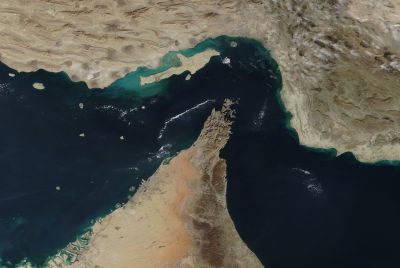
- Motivation Tied to National Interests: UAE officials cited the need for greater flexibility to respond to market dynamics and invest in domestic energy production. The move comes as the Iran war has choked the Strait of Hormuz, slashing UAE crude output by more than half.
- Blow to OPEC Unity: Losing the UAE weakens OPEC's influence over global supply and prices. The group, already strained by internal disagreements and external pressures, faces potential further fragmentation.
- Impact on Oil Markets: Oil prices surged above $100 per barrel on the news, reflecting fears of reduced cartel cohesion and tighter supply amid the Hormuz disruptions. Brent crude rose sharply as traders digested the implications.
- Long-Standing Tensions: The UAE has long complained about OPEC production quotas limiting its export potential. Disagreements over compliance and capacity have simmered for years, exacerbated by the current crisis.
- Shift Toward Independent Strategy: By leaving, the UAE gains freedom to ramp up production independently when conditions allow, prioritizing economic diversification and long-term energy investments over cartel solidarity.
- Broader Geopolitical Context: The decision arrives during unprecedented regional turmoil. The ongoing conflict has forced Gulf producers to shut in output and seek alternative shipping routes, straining traditional alliances.
- Effects on OPEC+: The wider OPEC+ group, which includes non-OPEC producers like Russia, loses a key participant. This could complicate future production agreements and market stabilization efforts.
- Market Reactions: Global energy markets reacted with volatility. Energy stocks mixed, while related currencies and bonds adjusted to the new uncertainty. Analysts expect continued price swings in coming days.
- What Happens Next: OPEC has not yet issued a formal response. The UAE's departure may prompt other members to reassess their positions, potentially reshaping the global oil governance landscape for years to come.
The UAE joined OPEC in 1967 and has been a major player in shaping the organization's policies. Its exit ends nearly six decades of membership and removes roughly 3-4 million barrels per day of production capacity from the cartel's coordinated efforts.
Energy analysts describe the move as a watershed moment. While OPEC has survived previous exits and internal rifts, the loss of a heavyweight like the UAE at a time of historic supply disruptions could accelerate the group's diminishing influence in a world increasingly focused on energy transition and diversified supply sources.
For oil-importing nations, the development adds another layer of uncertainty to already elevated prices. Higher energy costs could exacerbate inflation and slow economic growth globally. For Gulf economies, it highlights the urgent need to accelerate diversification away from traditional hydrocarbon dependence.
Saudi Arabia, as OPEC's de facto leader, now faces the challenge of maintaining group cohesion without one of its most important partners. Riyadh has historically pushed for disciplined production cuts, while the UAE has advocated for higher output quotas to reflect its growing capacity.
The timing aligns with broader shifts in the energy sector. Many producers are balancing short-term revenue needs with long-term sustainability goals. The UAE's decision may reflect a strategic pivot toward maximizing near-term production while investing heavily in renewables and non-oil sectors.
Investors and traders should monitor developments closely. Further statements from OPEC, reactions from other members and actual production decisions by the UAE will shape market direction in the coming weeks. Volatility is expected to remain high.
The UAE's exit underscores the fragile nature of international energy alliances when national interests diverge sharply. As the world navigates overlapping challenges of geopolitical conflict, energy security and climate goals, traditional power structures in oil markets continue evolving rapidly.
Whether other producers follow suit or OPEC adapts remains to be seen. For now, the UAE's bold move has reshaped the global oil conversation and injected fresh uncertainty into an already volatile market.
© Copyright 2026 IBTimes AU. All rights reserved.
- Recommended For You