(VIDEO) Haaland Scores Twice in Norway's 4-1 World Cup Win Over Iraq as Scandinavians Shine in Debut
Norway's commanding 4-1 win over Iraq marks a triumphant World Cup return, led by Erling Haaland's two goals.
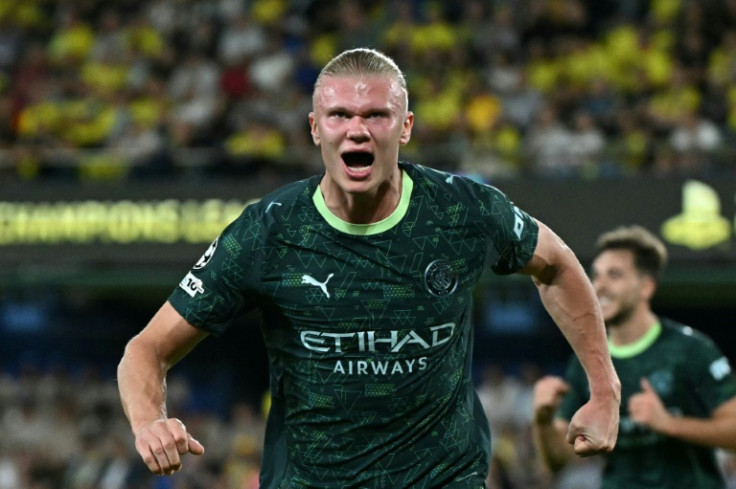
FOXBOROUGH, Mass. — Erling Haaland delivered a commanding performance in his World Cup debut, scoring two goals to lead Norway to a convincing 4-1 victory over Iraq on Tuesday at Gillette Stadium, marking a strong return to soccer's biggest stage for the Scandinavians after a 28-year absence.
The Manchester City striker, already one of global football's most prolific scorers, added his 56th and 57th international goals as Norway dominated large stretches of the Group I opener. Leo Ostigard and an own-goal by Iraq's Aymen Hussein completed the scoring for Norway, while Hussein also netted Iraq's lone goal in a match that showcased the gulf in attacking quality between the two sides.
Norway's first World Cup appearance since 1998 was worth the wait. Ståle Solbakken's team controlled possession and created high-quality chances throughout, blending defensive solidity with clinical finishing. Haaland's presence forced Iraq into a reactive posture, and the Norwegians capitalized on defensive lapses to secure a result that sends an early message in a competitive group.
Haaland opened the scoring in the 29th minute, sliding to finish a cross from David Moller Wolfe with a precise right-heel touch. He doubled the advantage just before halftime, pouncing on a poor back pass from an Iraqi defender and beating goalkeeper Jalal Hassan to the ball before steering it home with his shin. The goals highlighted Haaland's predatory instincts and physical dominance in the box.
Iraq responded in the 38th minute when Amir Alammari delivered a dangerous cross that allowed Hussein to head home powerfully past Orjan Nyland. It was a momentary lifeline for the Lions of Mesopotamia, who had qualified dramatically with a playoff win over Bolivia. However, Norway restored control in the second half. Ostigard headed in a Martin Ødegaard corner in the 76th minute, and an own-goal by Hussein in stoppage time sealed the final margin.
Norway's Return to the Global Stage
Norway's performance validated its status as one of the tournament's intriguing dark horses. After winning all eight qualifying matches, Solbakken's side demonstrated tactical discipline and attacking flair. Haaland's finishing was complemented by creative contributions from Ødegaard and width provided by Julian Ryerson.
Solbakken was pleased with how his star striker handled the occasion. "You could see that he lived up to the occasion," the coach said. "The occasion wasn't too big for him."
Haaland himself remained focused on the bigger picture. "Of course I will try," he said when asked about meeting expectations. "It's about continuing and don't think too much. It's difficult at this stage. But I'll focus on (the) next (game) and of course be happy. But also stay calm."
The victory gives Norway an ideal start in Group I, where they will face stiffer tests ahead. The team's blend of youth and experience, anchored by Haaland's goal threat, positions it well for a potential deep run. Norway last reached the knockout stage in 1998, and this squad appears equipped to surpass that achievement.
Iraq's Competitive Effort Falls Short
Iraq, making only its second World Cup appearance after debuting in 1986, competed bravely but ultimately lacked the firepower to match Norway's quality. Coach Graham Arnold, who previously guided Australia to the Round of 16 in Qatar, deployed a resilient setup but could not contain Haaland for long.
"It's one of those things. It happened," Arnold said of the defensive error leading to Haaland's second goal. "It is what is and we have to learn from it."
Hussein's goal provided a proud moment for Iraqi fans, who created a lively atmosphere behind one goal. The forward, who scored the decisive goal against Bolivia in qualifying, now has 34 international strikes. Defender Hussein Ali captured the team's mixed emotions: "It's a proud moment to be back in the World Cup after 40 years. To lose 4-1, it hurts."
Iraq's campaign continues against formidable opponents including France and Senegal. The team will need to tighten defensively and find more attacking cohesion if it hopes to secure points and advance from a difficult group.
Tactical Analysis and Match Highlights
Norway employed an asymmetric 4-3-3 that allowed fluidity in attack. Ryerson's overlapping runs created width on the right, while Antonio Nusa offered dribbling threat on the left. Ødegaard orchestrated play from midfield, linking defense to attack with precise passes.
Iraq lined up in a 4-4-2, aiming for compactness and quick counters. Al-Hamadi and Jasim led the line, but service was limited against Norway's organized back four. The visitors showed spirit, particularly in the first half, but struggled to maintain intensity as the game progressed.
The match was played in front of a crowd that heavily favored Norway, with red-clad supporters creating a vibrant atmosphere and performing synchronized Viking chants. Iraq's fans, concentrated behind one goal, added color and energy despite the result.
Referee Pierre Ghislain Atcho of Gabon managed the contest firmly, with few controversial decisions in a generally clean game. The venue in Foxborough provided excellent conditions for both teams in their World Cup return or debut.
Group Implications and Tournament Outlook
The result puts Norway in a strong position in Group I. A win in the opener allows rotation and tactical experimentation in subsequent matches while building confidence. Iraq faces an uphill battle but can take encouragement from moments of competitiveness against a superior opponent.
For Norway, the focus shifts to maintaining momentum and managing Haaland's workload across a demanding schedule. The team's depth and tactical flexibility under Solbakken will be tested against stronger sides.
Iraq's priority is accumulating points and gaining experience on the global stage. Positive performances could boost national morale and development programs back home, even if advancement proves elusive.
The 2026 World Cup's expanded format has created opportunities for teams like Iraq while giving established nations like Norway a platform to showcase progress. Early results like this one set narratives and influence group dynamics heading into subsequent rounds.
Messi Comparison and Haaland's Growing Legacy
Haaland's display drew inevitable comparisons to other greats performing at advanced ages in the tournament. His clinical finishing and physical presence echoed the enduring excellence shown by players like Lionel Messi in recent World Cups. At just 25, Haaland is building a legacy that could define Norway's footballing future for years.
The striker's international record — 57 goals in roughly 50 caps — underscores his extraordinary efficiency. Combined with club success at Manchester City, he has emerged as one of football's most dominant figures.
What's Next
Norway will look to build on this result in upcoming group fixtures, while Iraq seeks improvements and points against tough competition. Both teams have shown character in their World Cup return or debut, setting the stage for compelling stories as the tournament progresses.
The match served as a reminder of football's global appeal, with passionate fans from both nations creating an electric atmosphere in Foxborough. As the 2026 World Cup continues, performances like Haaland's ensure the competition remains captivating from the opening matches onward.
Norway's victory was not just about the scoreline but a statement of intent. With Haaland leading the line, the Scandinavians have announced their arrival back on the world stage in impressive fashion. Iraq, though defeated, demonstrated resilience that could serve them well in future challenges.
© Copyright 2026 IBTimes AU. All rights reserved.
- Recommended For You