(PHOTO) Elon Musk Tours Optimus Production Line in Fremont as Tesla Advances Humanoid Robot Development
Elon Musk showcases Tesla's Optimus robot advancements, highlighting its potential to revolutionise manufacturing and service industries.
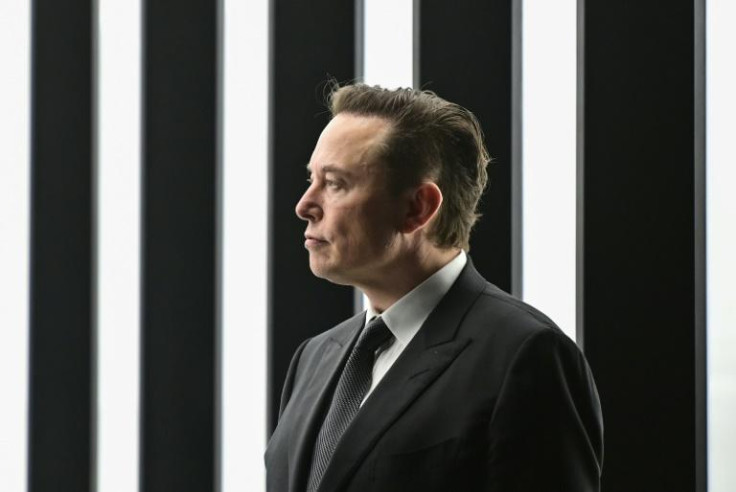
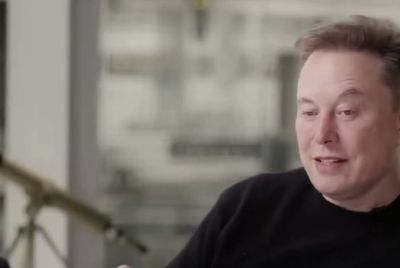
FREMONT, Calif. — Elon Musk highlighted progress on Tesla Inc.'s Optimus humanoid robot program Tuesday, posting images from a tour of the production line at the company's Fremont factory and underscoring the vehicle's potential role in the automaker's future.
Musk's visit to the manufacturing floor, captured in photos showing him alongside early Optimus units, comes as Tesla accelerates development of the bipedal robot designed for factory tasks and eventual household applications. The update reflects the company's push into artificial intelligence and robotics beyond its electric vehicle business.
Walking the Optimus production line in Fremont pic.twitter.com/ABS0tuRibW
— Elon Musk (@elonmusk) July 1, 2026
Optimus, first unveiled in prototype form several years ago, has evolved through iterative designs. Tesla aims to create a general-purpose humanoid capable of performing repetitive or dangerous work, potentially transforming manufacturing and service industries.
During the tour, Musk observed assembly processes for the robot's mechanical components and integration systems. Images shared online depicted Optimus units in various stages of construction, highlighting advancements in actuators, sensors and balance systems.
Tesla has set ambitious timelines for Optimus deployment. Internal targets call for limited production units in factories next year, with broader commercialization in subsequent periods. The company views the robot as a significant growth driver, with Musk previously estimating its value could exceed that of the automotive business.
The Fremont facility, Tesla's original U.S. manufacturing hub, serves as a key site for innovation and scaling. Production lines there already build Model Y and other vehicles, providing infrastructure for robot manufacturing experiments.
Tesla's robotics efforts leverage expertise from its Full Self-Driving software and Dojo supercomputing initiatives. Artificial intelligence underpins Optimus' navigation, object recognition and task learning capabilities.
Industry observers note the complexity of developing stable, dexterous humanoids. Challenges include power efficiency, safety in human environments and cost-effective production at scale. Tesla's automotive supply chain and vertical integration may provide advantages.
Musk's update generated significant engagement online, with users speculating on timelines and applications. Some highlighted potential for Optimus in Tesla factories, reducing reliance on human labor for certain tasks.
The robot program aligns with Tesla's broader artificial intelligence strategy. Investments in data centers and training infrastructure support both vehicle autonomy and robotics development.
Financial implications for Tesla are substantial. Analysts project robotics could contribute meaningfully to revenue in coming years, though commercialization timelines remain uncertain. Current focus centers on internal deployment before external sales.
Tesla shares have reflected enthusiasm for artificial intelligence initiatives, though volatility persists amid execution risks and competition. Rivals including Boston Dynamics, Figure AI and Chinese manufacturers are also advancing humanoid projects.
Musk has positioned Optimus as transformative technology. In previous statements, he described potential for billions of units serving global populations, performing tasks from manufacturing to elder care.
Production line images showed Optimus in early assembly, with visible structural components and wiring. Tesla engineers continue refining movements for walking, grasping and basic manipulation.
The Fremont tour underscores Tesla's commitment to manufacturing innovation. The factory has hosted production of multiple vehicle models and now serves as a testing ground for robotics.
Broader context includes global interest in humanoid robots for labor shortages and hazardous environments. Applications in logistics, construction and healthcare are under exploration across the industry.
Tesla's approach emphasizes mass production and affordability. Cost targets aim to make Optimus accessible for widespread adoption, differentiating from premium specialized robots.
Development milestones include improved battery life, joint flexibility and software updates enabling new tasks. Tesla leverages its vehicle data for training, accelerating learning curves.
Investor reactions to Musk's post highlighted excitement and calls for more details. Questions focused on deployment schedules, pricing and safety certifications.
Tesla has demonstrated Optimus prototypes performing simple actions like sorting objects and walking stably. Future iterations are expected to handle more complex sequences autonomously.
The program forms part of Tesla's shift toward artificial intelligence as a core competency. Chief Executive Musk has described Optimus as potentially the company's most valuable product long term.
Challenges remain in regulatory approval for human environments and public acceptance. Ethical considerations around job displacement and robot rights may emerge as technology matures.
Tesla continues recruiting talent in robotics and artificial intelligence. Job postings emphasize experience with mechatronics, machine learning and real-world deployment.
The Fremont factory's role extends beyond vehicles. Its history of scaling production provides lessons applicable to robot manufacturing.
Musk's hands-on involvement signals priority status for the project. Regular updates keep stakeholders informed of progress amid ambitious goals.
As Tesla advances Optimus, industry watchers anticipate increased competition and collaboration opportunities. Partnerships could accelerate standardization and component sourcing.
Tuesday's post added to ongoing narrative around Tesla's diversification. While electric vehicles remain central, robotics and energy storage represent significant growth vectors.
The images sparked discussions on social media about future implications. Users envisioned Optimus assisting in homes, factories and public spaces.
Tesla's stock has been sensitive to artificial intelligence developments. Positive robot updates often contribute to positive sentiment.
Broader market context includes technology sector performance and economic indicators. Artificial intelligence infrastructure spending supports related companies.
Tesla maintains focus on execution across multiple fronts. Vehicle deliveries, energy deployments and robot milestones will shape performance narratives.
Musk's Fremont visit reinforces commitment to American manufacturing. The factory employs thousands and serves as a symbol of innovation.
As development continues, safety testing and iterative improvements will be critical. Tesla applies automotive standards to robot reliability.
The Optimus program exemplifies convergence of automotive, software and robotics expertise. Success could redefine Tesla's identity and market valuation.
Tuesday's update provided a visual glimpse into ongoing work. Further demonstrations are expected as prototypes advance toward production readiness.
Tesla's journey with Optimus reflects long-term vision amid short-term challenges. Consistent progress could validate ambitious projections.
Industry analysts will monitor milestones for validation of timelines. Cost reduction and capability expansion remain key metrics.
As Tesla walks the Optimus production line, expectations build for tangible outcomes. The humanoid robot's evolution could influence multiple sectors in coming years.
© Copyright 2026 IBTimes AU. All rights reserved.
- Recommended For You