Facebook Down Now? Users Report Login And Loading Problems As Outage Trackers Monitor Ongoing Issues
Reports of blank screens and video playback issues surface, but Meta remains silent on a broader outage.
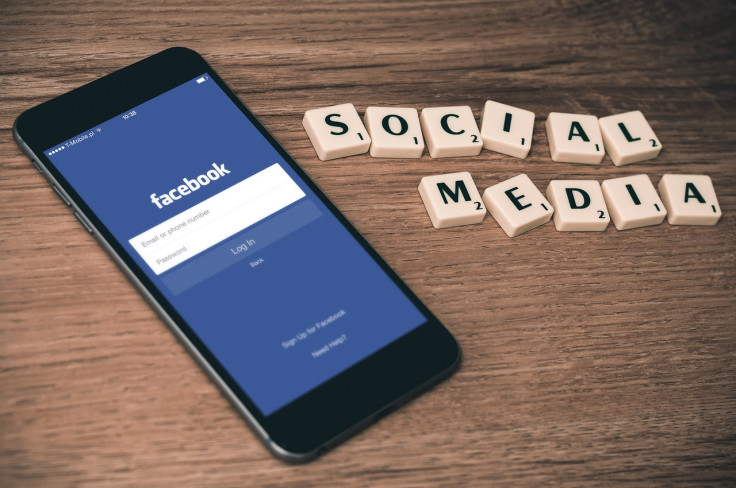
Facebook users have reported a scattered series of problems accessing the platform this week, according to multiple third-party outage-tracking services, with complaints ranging from blank screens and failed logins to videos that stop playing shortly after starting.
Independent monitoring service IsDown logged a report Friday from a user identified as Robert, who described encountering a blank screen across multiple browser attempts as well as when trying to log into the app. A separate report submitted the day before described Facebook as having been down since early that morning, while additional users reported issues with video playback and pages failing to load entirely. It remained unclear from the available reports whether these complaints reflected a single, broader technical issue or a series of smaller, unrelated disruptions affecting different users at different times.
As of this week, Meta, Facebook's parent company, had not issued a detailed public statement addressing the specific reports or confirming a broader, company-wide outage. Separate outage-tracking service Outage.report indicated it was not detecting a broad Facebook outage at the time of its most recent check, suggesting that any issues affecting individual users were more likely tied to local internet connectivity, device settings or the app itself rather than a widespread failure on Facebook's end. That same service noted Facebook's most recent confirmed broader incident had occurred 18 days earlier, with the platform logging six recorded outage incidents over the trailing 12 months, averaging roughly one hour and 17 minutes in duration and totaling just under eight hours of cumulative downtime across the full year.
Facebook operates as one of the world's largest social networking platforms, connecting users through both web and mobile applications. The platform allows users to share posts, photos and videos, message friends and family, join topic- or interest-based Groups, browse listings through Facebook Marketplace, and engage with content through its News Feed. Given that scale, even relatively brief or localized disruptions to the platform tend to generate a noticeable spike in user complaints and social media chatter, as affected users search for confirmation that an issue is not isolated to their own device or account.
This week's scattered reports would not be the first time Facebook has faced more serious, confirmed outages. In one of the most severe disruptions in the platform's history, Facebook, along with sibling platforms Instagram, WhatsApp and Messenger, went offline entirely for billions of users worldwide during a lengthy 2021 outage. Meta later said that incident stemmed from a configuration change affecting the routers that manage network traffic between the company's data centers, an explanation the company provided only after the outage had been resolved. The BBC described that incident at the time as the most severe outage Facebook had ever experienced.
Other past Facebook outages have stemmed from more routine causes. In one earlier incident, the company said it had intentionally and temporarily taken the Facebook site offline to fix a bug that had caused certain third-party proxy servers to cache content that should not have been accessible, allowing a limited group of users to briefly view pages not intended for them. Facebook said at the time that the issue was not the result of any security breach, and the company apologized for the resulting inconvenience once service was restored.
In a separate earlier incident, Facebook experienced two outages within the same week, with the second lasting approximately 42 minutes. A company spokesperson at the time attributed the disruption to a configuration issue and said the company was working to restore full access for all affected users. That particular outage also coincided with a decline in Facebook's stock price, which closed down nearly 4% the same day, though it remained unclear how directly the two events were connected given the range of other factors that can influence a company's share price on any given trading day.
For users currently experiencing problems accessing Facebook, standard troubleshooting guidance compiled by outage-tracking services generally recommends several basic steps: forcing a full browser refresh, clearing cached data and cookies, trying an alternate browser or device, and confirming that the issue isn't isolated to a single app by checking whether other websites and services are loading normally. If problems persist across multiple devices and browsers, users are typically advised to check third-party outage trackers or Meta's official status resources for any indication of a broader, confirmed disruption before assuming the issue lies with their own equipment or account.
Given the relatively limited and inconsistent nature of this week's reports, it remains unclear whether the issues described by affected users reflect an emerging, broader problem with Facebook's infrastructure or simply a normal baseline level of scattered, day-to-day technical complaints that any platform serving billions of users is likely to generate. Meta had not issued any official acknowledgment of a specific ongoing incident as of this week, leaving affected users largely reliant on independent outage trackers and troubleshooting guidance to determine the scope of what they were experiencing.
© Copyright 2026 IBTimes AU. All rights reserved.
- Recommended For You