Apple Declares iPhone X Obsolete, Ending All Hardware Repairs Nearly Nine Years After Its Debut
The iPhone X, a groundbreaking device in Apple's history, is now classified as obsolete, ending official repair support.
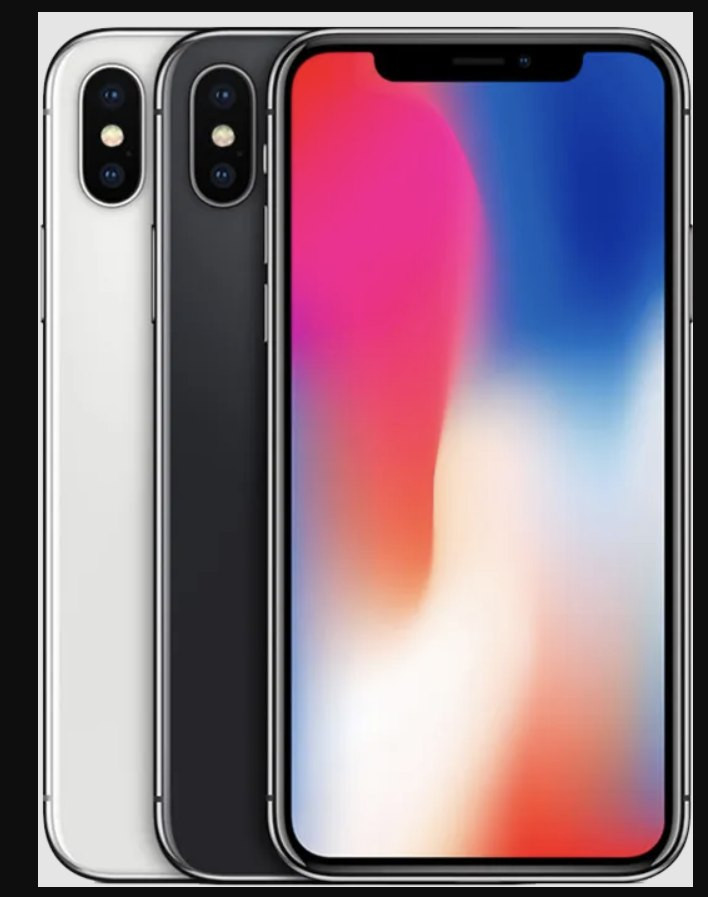
Apple has officially classified the iPhone X as "obsolete," the company's strictest product-lifecycle designation, ending all hardware service and repair availability for a device that helped define the modern smartphone era when it launched nearly nine years ago.
Apple made the update this week to its "Obtaining service for your Apple product after an expired warranty" support page, moving the iPhone X from its "vintage" products list to its "obsolete" list. The 15-inch 2018 MacBook Pro received the same reclassification in the same update, according to 9to5Mac, which first reported the change.
The iPhone X launched in November 2017 and was pulled from sale in September 2018, after roughly 10 months on the market. Under Apple's product lifecycle policy, devices generally move from "vintage" to "obsolete" status more than seven years after the company stops distributing them, though the exact timing of that reclassification is ultimately left to Apple's discretion.
Once a product reaches obsolete status, Apple and its network of Apple Authorized Service Providers stop offering hardware repairs for it entirely, and service providers are no longer permitted to order replacement parts, regardless of whether a customer is willing to pay out of pocket for repairs. That stands in contrast to Apple's "vintage" designation, a category the iPhone X had held since being off the market for more than five years, under which repairs remain available only on a best-effort basis, contingent on whether parts happen to still be in stock.
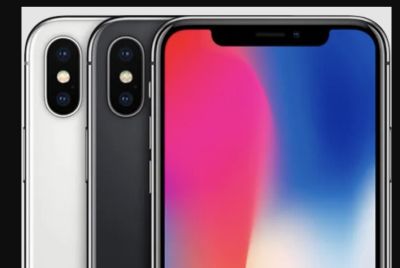
The iPhone X holds a significant place in Apple's product history as the device that introduced Face ID, the company's facial recognition security system, and the first iPhone to feature an OLED display. Its release also marked the end of Touch ID and the home button on Apple's flagship phones, replaced instead by an edge-to-edge screen interrupted only by a notch housing the front camera and sensor array needed for Face ID. The device also introduced the glass-back, stainless-steel-frame design language that carried forward into several subsequent iPhone generations.
Beyond the loss of hardware support, the iPhone X had already been cut off from Apple's latest software updates well before this week's reclassification. The device lost eligibility for new operating system updates with the release of iOS 17, leaving it capped at iOS 16.7.16, meaning any iPhone X still in active use has not received new features or the latest security patches in several years.
Apple's vintage and obsolete products list functions as a continuously updated internal record the company uses to communicate which devices remain eligible for various tiers of support. Products typically move onto the vintage list once Apple has stopped selling them for somewhere between five and seven years, entering the obsolete category only after that seven-year threshold has passed. The system applies broadly across Apple's hardware lineup, covering iPhones, iPads, Macs, Apple Watches and other accessories as each product ages out of the company's active support window.
The iPhone X is not the only notable device recently added to Apple's obsolete or vintage lists. Earlier this year, Apple added the iPhone X, the first-generation HomePod smart speaker and the first-generation AirPods to its vintage list simultaneously, signaling that all three products had crossed the five-year mark since their respective discontinuation dates. Industry observers tracking Apple's device lifecycle policies have said additional products are expected to shift categories in the coming months, including older iPad Pro and Apple Watch models that are approaching similar age thresholds.
The reclassification has renewed familiar criticism of Apple's approach to long-term device support, an issue that has periodically drawn scrutiny from right-to-repair advocates and environmental groups concerned about electronic waste. Critics have argued that cutting off official parts availability and repair access can effectively force consumers into upgrading to newer devices even when an older phone might otherwise remain functional, a dynamic sometimes described in broader terms as planned obsolescence.
For the relatively small number of iPhone X units still in active daily use nearly nine years after launch, Wednesday's change means owners facing a hardware failure, such as a cracked screen, failing battery or malfunctioning charging port, will no longer have access to official Apple or Apple Authorized Service Provider repairs. Owners in that position will instead need to rely on independent, third-party repair shops if they wish to keep an aging iPhone X functional, or make the decision to retire the device entirely in favor of a newer model.
Apple has not issued any additional public statement beyond the routine, unannounced update to its support documentation, consistent with the company's longstanding practice of updating its vintage and obsolete lists quietly, without press releases or advance notice, as older devices continue to age out of its official support structure over time.
© Copyright 2026 IBTimes AU. All rights reserved.
- Recommended For You