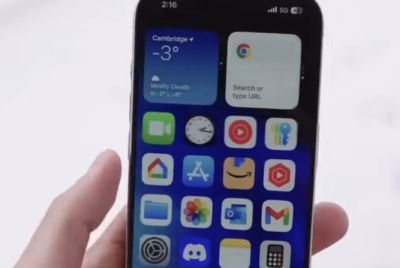
Apple's iPhone 18 Pro and iPhone Ultra Could Likely Launch on This Exact September Date, Analyst Says
Apple's September keynote may unveil the iPhone 18 Pro and its first foldable iPhone, amidst pricing and supply challenges.
CUPERTINO, Calif. — Apple appears set to follow its familiar autumn playbook once again, with a leading industry analyst pointing to a specific date in early September as the most probable moment the company will unveil its next generation of premium iPhones.
Bloomberg's Mark Gurman, in his closely followed Power On newsletter, said Apple is expected to stick with its long-standing pattern of holding its annual iPhone event on the first Tuesday or Wednesday following the Labor Day holiday in the United States. With Labor Day falling on Sept. 7 this year, that timing points to Sept. 8 as the most likely date for Apple's keynote, with Sept. 9 standing as the next most probable alternative.
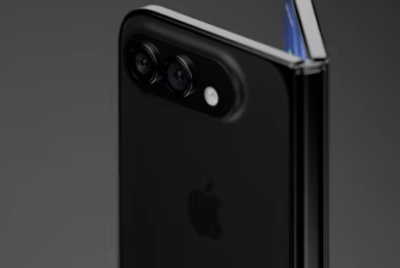
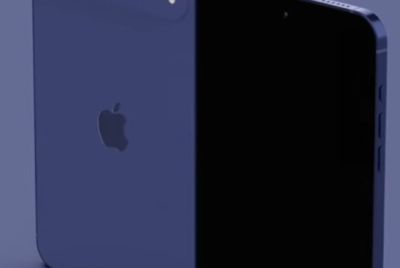
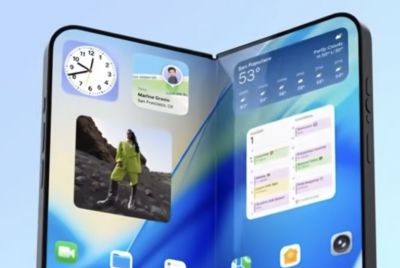
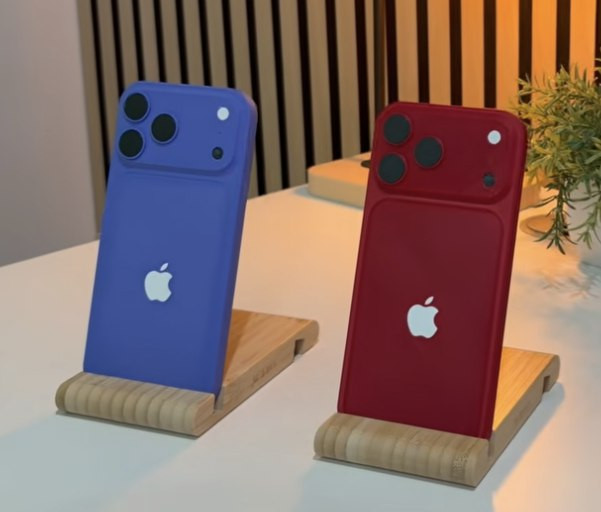
The event would mark the debut of the iPhone 18 Pro, the iPhone 18 Pro Max, and what is widely expected to be Apple's first foldable iPhone, a device that has been the subject of years of speculation and is currently rumored to carry either the iPhone Ultra or iPhone Fold name. Depending on which date Apple ultimately selects, pre-orders would likely open within a few days of the keynote, with retail availability typically following roughly a week or two after that.
Apple has shown remarkable consistency in its September scheduling in recent years. The company opted for a Sept. 9 keynote in two of the past several years, once falling on a Tuesday and once on a Monday, reinforcing the idea that its launch cadence is largely formulaic at this point. Industry watchers who track Apple's release patterns have noted that the company's preference for the first Tuesday or Wednesday after Labor Day has held steady long enough that predicting the date has become less about guesswork and more about counting days on a calendar.
The strategy behind that consistency is straightforward from a business standpoint. Unveiling new iPhones in early September gives Apple roughly two weeks to build anticipation before phones reach store shelves and customers' doorsteps in mid-September, positioning the launch to capture a meaningful chunk of fourth-quarter revenue while still leaving enough lead time to build inventory ahead of the holiday shopping season.
This year's event carries added significance beyond the usual hardware reveal. It is expected to mark the first keynote presentation from Apple under new leadership in its hardware engineering ranks, following changes at the top of the company's product organization. The September event also arrives without a direct successor to the iPhone 17 on the agenda, as Apple is reportedly shifting toward a staggered release schedule in which its standard iPhone models, including the iPhone 18 and iPhone 18e, would launch separately in the spring of 2027 rather than alongside the Pro lineup in the fall.
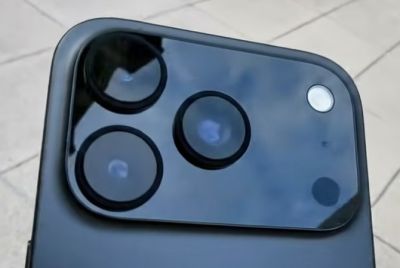
Hardware-wise, the iPhone 18 Pro is expected to bring a meaningful set of upgrades, including a new 2-nanometer chipset designed to improve both performance and thermal efficiency, a smaller Dynamic Island cutout, a variable aperture camera system, and longer battery life. Taken individually, none of those changes amounts to a dramatic leap over the current generation, raising questions about how Apple plans to justify what multiple reports suggest could be a price increase of $200 to $300 over the outgoing iPhone 17 Pro lineup.
The iPhone Ultra, by contrast, is expected to command a premium price from the outset given its positioning as Apple's first foldable device and the added engineering complexity that comes with that form factor. Whether ongoing supply pressures will push that price even higher than current foldable competitors on the market remains uncertain, according to industry analysts tracking the device's development.
Much of the pricing pressure facing Apple's entire fall lineup traces back to a global memory chip shortage driven by surging demand from artificial intelligence companies. The same memory components used in smartphones, including RAM and storage chips, are also critical to the data centers and AI infrastructure being built out by major technology companies, and that competition for limited manufacturing capacity has pushed component costs higher across the consumer electronics industry. Apple has already raised prices on several of its other product lines, including Macs and iPads, citing those same rising memory costs, even as iPhone pricing had largely been left untouched until now.
The timing of those cost pressures is notable given where consumer sentiment around artificial intelligence currently stands. There is now a fairly well-established view among industry observers that AI is not poised to fundamentally transform how people use their smartphones in the near term, a dynamic that complicates Apple's pitch for higher prices on devices whose AI capabilities are not yet seen as a dramatic leap forward. That dynamic is particularly notable for iPhones, which are expected to gain new AI-powered features built on technology licensed from Google's Gemini models rather than a fully home-grown alternative, following reports of delays and setbacks in Apple's own internal AI development efforts.
For now, Apple has not confirmed any details about its September event, including the date, and the company traditionally does not publicly verify its keynote scheduling until roughly a week beforehand, when formal invitations typically go out to press and industry partners. Until then, analysts including Gurman say the date can be inferred with reasonable confidence based on years of consistent past behavior, even as questions about pricing, supply constraints and the broader value proposition of this year's lineup continue to shape anticipation ahead of the formal unveiling.
Apple did not immediately respond to requests for comment on its September launch plans.
© Copyright 2026 IBTimes AU. All rights reserved.
- Recommended For You