10 Reasons Buyers May Want To Wait For Apple's Rumored Foldable iPhone Instead Of Galaxy Z Fold 8 Now
Tech Analysts Weigh In on the Foldable Phone Dilemma

Samsung's Galaxy Z Fold 8 hit store shelves this month, but with Apple widely expected to unveil its first foldable iPhone within weeks, tech analysts say shoppers weighing a premium foldable purchase face a genuine timing question.
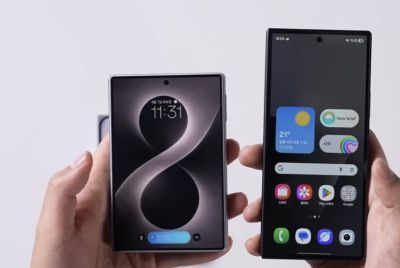
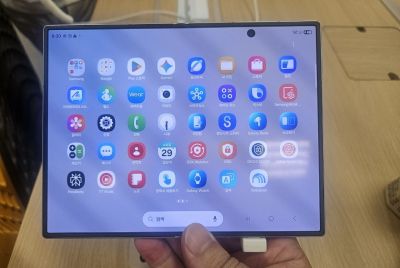
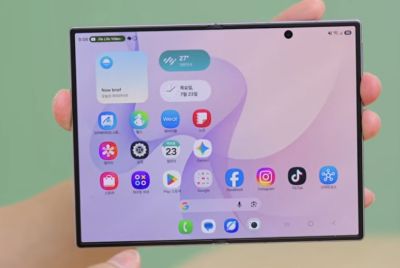
Samsung unveiled the Z Fold 8 lineup at a Galaxy Unpacked event in London on July 22, restructuring its foldable strategy in the process. The company split its flagship foldable into two models: a wider, more compact Z Fold 8 starting at $1,899.99 for 256GB, and a taller, more traditional Z Fold 8 Ultra starting around $2,099. Both became available for purchase in early August. Meanwhile, Apple has not yet confirmed its own foldable device, but a wide range of supply-chain analysts and industry reporters expect the company to unveil what is widely being called the iPhone Fold, or possibly iPhone Ultra, at a September event alongside the iPhone 18 lineup.
Here are 10 reasons analysts and reviewers say some buyers may want to hold off on Samsung's device and wait to see what Apple brings to market.
First, Apple's foldable is expected to arrive within roughly six to eight weeks of the Z Fold 8's launch, according to multiple supply-chain reports, meaning buyers on the fence face a relatively short wait rather than a year-long gap.
Second, reporting from analysts including JPMorgan's Samik Chatterjee points to a starting price of around $1,999 for Apple's device, positioning it competitively against Samsung's lineup rather than at a significant premium, based on currently available leaks.
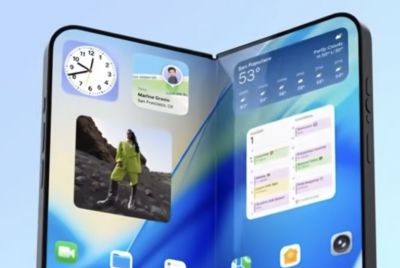
Third, multiple outlets, including MacRumors and Macworld, report Apple is targeting a crease-free inner display, an engineering goal the company has reportedly pursued "regardless of cost," according to supply-chain sourcing. Visible creases remain one of the most commonly cited complaints about existing foldable phones, including Samsung's lineup, making a crease-free panel a potentially meaningful differentiator if Apple delivers on the claim.
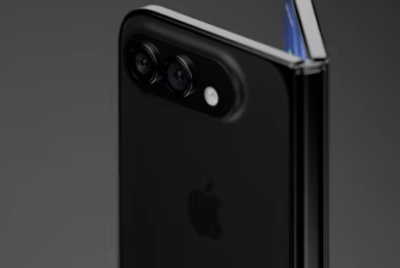
Fourth, Apple's foldable is rumored to feature a titanium-and-aluminum body engineered for a closed thickness competitive with the thinnest foldables currently on the market, addressing another common criticism of the category: that folding phones remain noticeably bulkier than standard smartphones when closed.
Fifth, buyers loyal to Apple's ecosystem, including iMessage, FaceTime, AirDrop and continuity features across Mac and iPad devices, would gain access to a foldable form factor without leaving the platform, a factor that matters significantly for a large segment of premium smartphone buyers who have little interest in switching to Android regardless of hardware specifications.
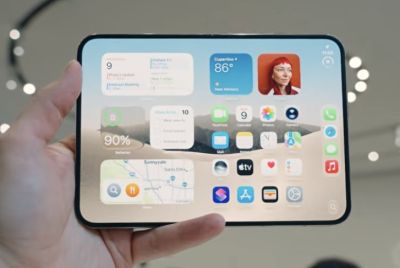
Sixth, rumored specifications point to a roughly 7.8-inch inner display and 5.5-inch outer display for Apple's device, dimensions comparable to Samsung's more traditional Z Fold 8 Ultra model, meaning buyers would not necessarily sacrifice screen real estate by waiting.
Seventh, Apple's foldable is expected to run on the company's A20 or A20 Pro chip alongside a new Apple C2 modem, giving it access to Apple's latest silicon rather than a chip shared with a prior generation of standard iPhones, according to spec leaks compiled by multiple outlets.
Eighth, some reports indicate Apple's device will feature dual 48-megapixel rear cameras, a notable upgrade path for a first-generation foldable and one that would put its rear camera resolution on par with Samsung's current flagship foldable offerings.
Ninth, Apple has historically waited to enter established hardware categories until it believes it can meaningfully differentiate its product, a pattern reflected in its approach to smartwatches, wireless earbuds and tablets. Analysts covering the foldable space have noted that Apple's decision to enter the category years after Samsung suggests the company believes it has solved specific engineering problems, such as the crease and hinge durability, that have persisted across earlier generations of foldable phones from multiple manufacturers.
Tenth, buyers focused specifically on long-term software support may also factor in Apple's typical multi-year update commitment for iPhones, which has generally extended longer than the support windows offered on most Android devices, including Samsung's foldables, though Samsung has also expanded its own software support commitments in recent years.
Reviewers have also cautioned that waiting carries its own risks. Because Apple's foldable would be a first-generation product, some analysts expect early units to face the kind of growing pains common to first-generation hardware, including limited initial stock tied to reported production yield issues and a smaller app ecosystem optimized for the folding form factor compared with Samsung's more mature software experience, refined across eight generations of Z Fold devices since 2019.
Pricing also remains a genuine unknown for Apple's device until the company confirms it directly. While a $1,999 starting price has been the most frequently cited figure across recent analyst notes, some earlier reports had suggested a range as high as $2,399, and Apple has not disclosed any details on trade-in or carrier promotions that could meaningfully offset the cost for buyers switching from an existing device.
For now, neither Apple's final pricing, exact launch date, nor full specifications have been officially confirmed, and all comparisons between the rumored iPhone Fold and Samsung's already-released Z Fold 8 remain based on leaks and analyst projections rather than confirmed details from Apple itself. Industry watchers say Apple's September event, where the company is widely expected to unveil its full iPhone 18 lineup alongside its first foldable device, should resolve most of the remaining uncertainty for buyers deciding between the two ecosystems.
© Copyright 2026 IBTimes AU. All rights reserved.
- Recommended For You