Will Apple's Rumored Foldable iPhone Be Able to Compete With Samsung's Galaxy Z Fold 8 This September
Comparing Samsung's Galaxy Z Fold 8 with Apple's anticipated foldable iPhone

Samsung's Galaxy Z Fold 8 launched July 22, giving the South Korean company a nearly two-month head start over Apple's long-anticipated first foldable iPhone, widely expected to arrive alongside the iPhone 18 lineup in September. As leaked specifications and design details for Apple's device have continued surfacing, industry analysts remain divided on whether the rumored device will be able to seriously challenge Samsung's established position in the foldable market.
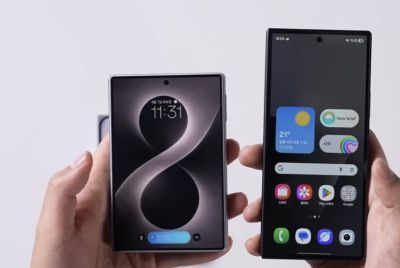
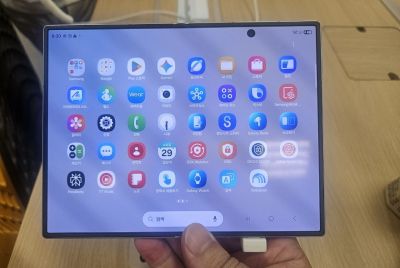
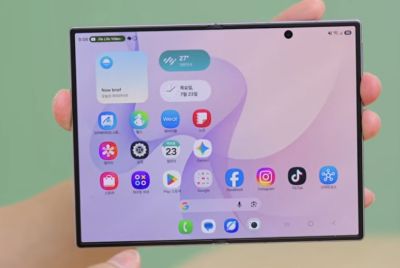
Samsung has spent more than seven years refining its book-style foldable design, dating back to the original Galaxy Fold's 2019 debut, giving the company a significant head start in manufacturing experience, hinge durability and software optimization that Apple cannot immediately replicate. The Galaxy Z Fold 8 continues that "productivity-first" design philosophy, featuring a tall, narrow 5.5-inch cover display paired with a roughly 7.5- to 7.6-inch inner display, along with support for Samsung's S Pen stylus and the broader flexibility of the Android operating system.
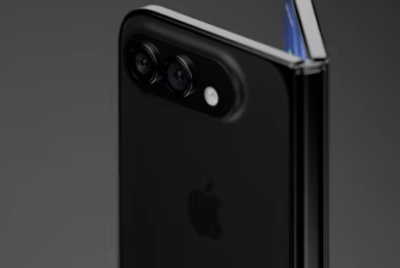
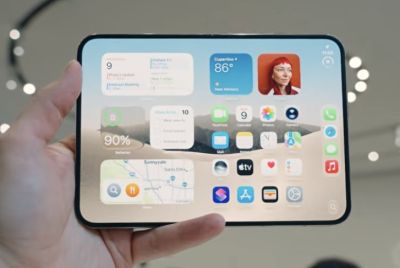
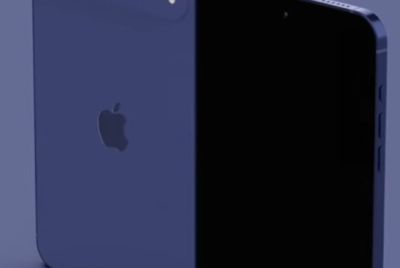
According to widely circulated leaks and rumors, Apple's approach to its own foldable takes a notably different design direction. Rather than mimicking Samsung's tall, narrow cover screen, Apple's device is expected to feature a wider 5.49-inch outer display with a 4:3 aspect ratio, intended to feel closer to a standard iPhone for one-handed typing and everyday use, paired with a roughly 7.76- to 8.3-inch inner display in a landscape orientation better suited for media consumption. Leaks suggest Apple has licensed hinge technology from Samsung Display in pursuit of a near-invisible crease, a persistent point of criticism for foldable phones generally, including Samsung's own devices.
Rumored pricing for Apple's foldable has emerged as one of the most significant points of differentiation between the two devices. According to reporting from TweakTown citing Apple Hub, Apple's foldable could cost roughly $600 more than the Galaxy Z Fold 8 despite reportedly offering similar core specifications, with some estimates placing the device's starting price near $2,000. If accurate, that pricing gap would position Apple's foldable as a considerably more premium purchase relative to Samsung's device, even though the two phones are expected to compete for a broadly overlapping segment of premium smartphone buyers.
Camera capability represents another area where the two devices are expected to diverge significantly. According to comparisons compiled by The Z Fold Case, the Galaxy Z Fold 8 is equipped with a 200-megapixel main sensor matching the specification found on Samsung's Galaxy S26 Ultra, alongside a 50-megapixel ultrawide lens and a 10-megapixel telephoto lens. Leaked details suggest Apple's foldable will instead feature a more modest dual-camera setup, a configuration that would leave Apple's device at a clear disadvantage on paper for photography-focused buyers, even if Apple's computational photography software helps narrow that gap in practice.
Branding has also emerged as a subject of speculation surrounding Apple's device. According to reporting cited by The Z Fold Case, Bloomberg's Mark Gurman indicated in March that Apple's foldable could be marketed as the "iPhone Ultra" rather than "iPhone Fold," a naming convention that would align the device with Apple's existing "Ultra" branding used across products including the Apple Watch Ultra and Mac's M-series Ultra chips. Analysts have suggested that branding the device as an "Ultra" model rather than directly referencing its foldable form factor could help Apple position the phone as a distinct new premium category rather than simply following Samsung's established naming pattern for foldable devices.
Beyond hardware specifications, analysts have pointed to deeper ecosystem and software considerations likely to shape how the two devices are ultimately received by consumers. Apple is expected to emphasize seamless integration with its broader software ecosystem, including iPad-style multitasking features and close AirDrop and Continuity integration with other Apple devices, an advantage that has historically helped the company retain and convert existing iPhone users into buyers of new device categories. Samsung, by contrast, is expected to continue leaning on its S Pen support, greater Android platform flexibility, and established trade-in programs to appeal to productivity-focused buyers already embedded within the Android ecosystem.
Some analysts have suggested Apple's ultimate advantage may lie less in matching Samsung's specifications directly and more in converting Apple's massive existing iPhone user base, estimated at roughly 1 billion active users globally, into first-time foldable buyers who have previously avoided the category because existing devices, including Samsung's, have not felt sufficiently similar to a standard iPhone in daily use. Whether that phone-first design philosophy proves more appealing to mainstream consumers than Samsung's more established productivity-oriented approach remains an open question that will only be answered once Apple's device becomes available for hands-on testing and review following its expected September launch.
With final specifications, pricing and design details for Apple's foldable still unconfirmed ahead of the company's anticipated September announcement, comparisons between the two devices remain necessarily speculative. A definitive assessment of whether Apple's foldable can meaningfully compete with the Galaxy Z Fold 8 will only be possible once both devices have been thoroughly tested side by side following Apple's official unveiling later this year.
© Copyright 2026 IBTimes AU. All rights reserved.
- Recommended For You