Jefferies Downgrades Apple To Sell As Report Says 20th Anniversary All-Glass iPhone Was Scrapped Now
Apple's ambitious all-glass iPhone project is shelved, impacting stock ratings and future pricing strategies.
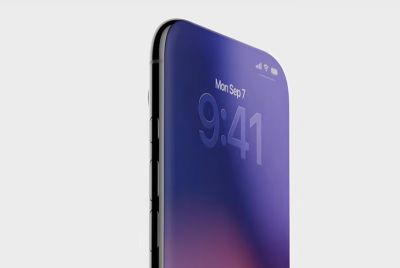
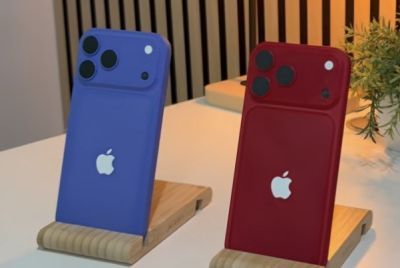
Wall Street investment bank Jefferies downgraded Apple stock to a sell-equivalent rating Monday, citing supply-chain checks suggesting the company has scrapped plans for a redesigned all-glass iPhone that had been expected to mark the device's 20th anniversary in 2027.
Jefferies cut its rating on Apple to "underperform" from "hold" and lowered its price target to $263.66 from $285.56, implying roughly 16% downside from Friday's closing price of $313.33. The move followed an earlier reduction in the bank's price target, from $308.92 to $285.56, made in the wake of Apple's fiscal third-quarter earnings release and fourth-quarter guidance. Jefferies had maintained a neutral, or hold-equivalent, rating on the stock as recently as July 31 before shifting to the more bearish stance.
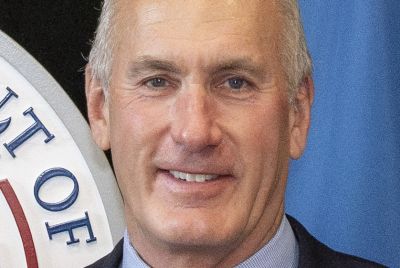
Analyst Edison Lee said in a note to clients that Jefferies' supply-chain checks indicated Apple's planned all-glass iPhone, originally expected to launch in September 2027, "has been cancelled due to low yield." He added that the firm views the decision as "a major setback to efforts to bring in higher-priced iPhones amid soaring memory costs."
According to Lee's note, Apple had intended to eventually extend the all-glass design beyond a base model to its higher-end iPhone Pro and Pro Max lineup, a move the company hoped would help lift average selling prices and profit margins across its most premium devices. With that plan apparently shelved, Jefferies lowered its projected compound annual growth rate for iPhone average selling prices between fiscal 2026 and 2031 to 6.8% from 9%, and cut its fiscal 2028 and 2029 earnings-per-share estimates by roughly 2% and 3%, respectively.
Rumors of an all-glass iPhone redesign had circulated since at least 2025, with speculation centered on the device marking a generational shift in design comparable to the iPhone X a decade earlier. Apple has never publicly commented on the speculation, though the company filed a patent application in 2019 describing a six-sided glass enclosure, a detail that had fueled ongoing speculation about the project among industry watchers.
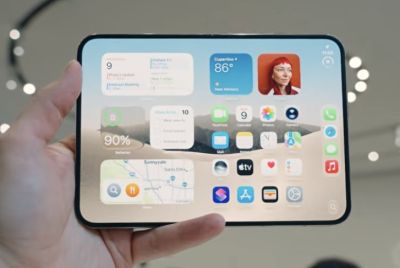
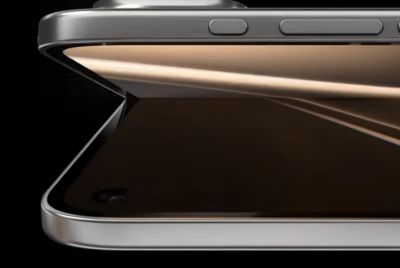
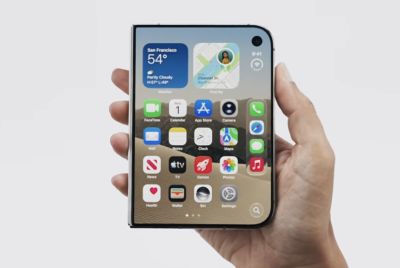
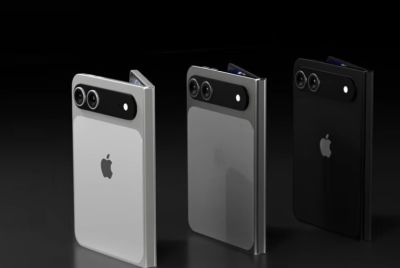
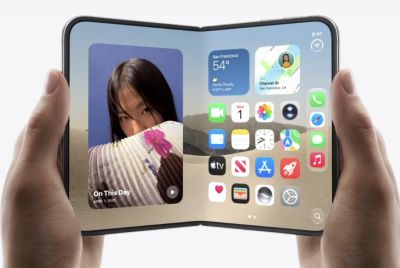
With the all-glass model apparently off the table, Lee wrote that Apple's upcoming foldable iPhone now stands as the company's primary near-term opportunity to drive higher prices and margins. He estimated the device, expected to launch in September 2026, could start around $2,199 for a 256-gigabyte model, with a top-tier 2-terabyte version potentially priced as high as $3,099. Lee cautioned, however, that surging memory costs tied to growing artificial intelligence demand could push pricing on future devices even higher, potentially limiting the foldable's ability to meaningfully expand Apple's overall average selling price across its full iPhone lineup.
Lee also pointed to recent increases in iPhone trade-in values across the U.S. and European markets, noting that while such moves could pull forward demand for the current iPhone 17 generation, they risk creating tougher comparisons and greater pressure on sales once the iPhone 18 lineup arrives.
Apple shares fell 1.53% Monday to close at $308.26, after rising as much as 0.41% earlier in the session before losing those gains. The stock has recovered roughly 2.5% from its recent low, reached after Apple shares fell about 10% following the company's latest quarterly earnings release.
Speaking separately on Bloomberg Tech, Lee took his critique of Apple further, telling anchor Ed Ludlow that the company is no longer the "king of the supply chain," a comment reflecting broader skepticism from Jefferies about Apple's manufacturing execution heading into a pivotal multi-year product cycle. Not all Wall Street voices shared that pessimism, however. CNBC's Investing Club published a counterpoint the same day, arguing investors should not let a single downgrade scare them out of the stock.
The downgrade also arrives amid ongoing investor scrutiny of Apple's artificial intelligence strategy, an area where the company has faced persistent questions about its pace of progress relative to competitors. Apple Chief Executive Tim Cook has previously defended the company's approach, emphasizing its focus on running AI processes directly on-device rather than relying primarily on cloud-based systems. Cook has described that approach as a deliberate strategic choice rather than a shortfall, characterizing the ability to handle a significant share of AI requests on-device as "very strategic, sort of a competitive weapon."
The Jefferies downgrade also comes at a moment of leadership transition for Apple, with company veteran John Ternus set to take over as chief executive next month, succeeding Cook. The timing places added scrutiny on Apple's next generation of product decisions, including its approach to iPhone design, pricing strategy and AI development, as the company moves through a leadership handoff during a period of heightened competitive and cost pressures across the smartphone industry.
Despite the all-glass iPhone's apparent cancellation, other reporting following Jefferies' note indicated Apple still plans to move forward with a broader design overhaul for its iPhone Pro lineup, expected to launch next year, suggesting the company's broader redesign ambitions have not been entirely abandoned even as the specific all-glass concept appears to have been shelved.
With Apple shares still trading well above Jefferies' new price target, investor attention is likely to remain focused in the coming months on how the company approaches its 2027 product roadmap, how it manages rising component costs tied to the ongoing global memory chip shortage, and whether its foldable iPhone can deliver the kind of premium pricing power that the now-scrapped all-glass redesign had once been expected to provide.
© Copyright 2026 IBTimes AU. All rights reserved.
- Recommended For You