Elon Musk's Tesla Pay Hit 2.5 Million Times Median Worker, Equaling Annual Wage Every 4.23 Seconds
AFL-CIO Report Highlights Unprecedented CEO-to-Worker Pay Disparity
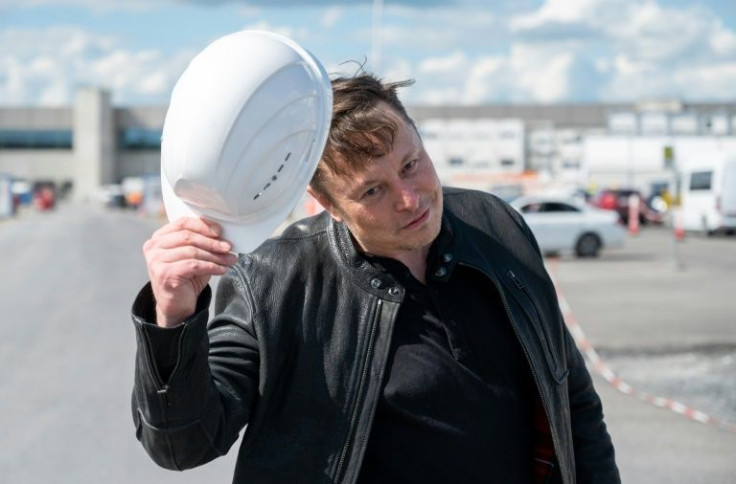
Elon Musk's 2025 compensation package at Tesla reached a reported value of $158.3 billion, more than 2.5 million times the median pay of a Tesla employee, according to an annual analysis by the AFL-CIO released this week.
The labor federation's Executive Paywatch report calculated the ratio at 2,522,203 to 1. That figure meant Musk's package equaled the median Tesla worker's annual earnings every 4.23 seconds. The median employee compensation used in the calculation was $57,243.
The package, based on the grant-date fair value of restricted stock awards, was 14 times larger than the combined total compensation of all other S&P 500 chief executives, the report said. Including Musk's award, the average S&P 500 CEO compensation rose to $340.1 million in 2025. Excluding it, the average still climbed 21 percent to $22.8 million from $18.9 million the prior year, the highest level since the AFL-CIO began tracking the data in the 1990s.
The average CEO-to-worker pay ratio across S&P 500 companies reached 5,387 to 1 when Musk's package was included. Without it, the ratio stood at 312 to 1, up from 285 to 1 in 2024.
Brandon Rees, lead researcher for the AFL-CIO's Executive Paywatch project, described the scale of the award as unprecedented. "Elon Musk's gargantuan 2025 pay package at Tesla is unlike anything we have seen before," he said. "Our economy is increasingly out of balance because billionaires like Elon Musk are taking a greater share of the economic pie while working people are struggling to make ends meet."
Fred Redmond, the AFL-CIO's secretary-treasurer, said the Tesla arrangement was already influencing other boards. Musk's deal "changes the dynamic when other CEO compensation plans come up" and "boards use it as a reference," he said in comments reported alongside the findings.
The compensation figure reflects accounting valuations of equity grants under Tesla's 2025 CEO Performance Award and related awards, not cash paid out or shares vested during the year. Tesla has previously noted in regulatory filings that such reported totals can differ significantly from any value ultimately realized, as awards depend on meeting multi-year performance milestones including market capitalization, operational targets and product goals. In some prior periods, realized compensation for Musk has been reported as zero when awards remained unvested or were subject to legal and other adjustments.
Tesla's median employee pay and the resulting ratio are calculated under Securities and Exchange Commission rules that require public companies to disclose the relationship between CEO compensation and that of a median worker. The company has said it remains committed to competitive pay for employees. Manufacturing was identified in the AFL-CIO report as the sector with the highest average CEO-to-worker ratio, driven in large part by the Tesla figures.
The report placed the Tesla numbers in a broader context of rising executive pay. A majority of S&P 500 CEOs earned more in a single day than the median U.S. worker made in a full year, according to the analysis. The federation also highlighted wider economic pressures, including limited retirement savings and difficulty covering unexpected expenses among many American households.
Musk's package has drawn attention in part because of its size relative to Tesla's workforce and to other corporate pay practices. Shareholders previously approved the structure of the performance-based awards, which are designed to vest only if ambitious financial and operational targets are met over a multi-year period. The awards have been the subject of ongoing legal and governance discussions, including court proceedings related to earlier compensation arrangements.
Analysts and labor groups have long debated the implications of large equity packages for alignment of interests between executives and shareholders, as well as for internal pay equity. Supporters of performance-based awards argue they incentivize long-term value creation and retain leadership during periods of high growth and risk. Critics, including the AFL-CIO, contend that such extreme disparities contribute to broader economic imbalance and set benchmarks that influence compensation decisions elsewhere.
The AFL-CIO has tracked executive pay trends for decades. This year's findings show that even after removing the Tesla outlier, average CEO compensation and the ratio to worker pay continued to rise. The report is expected to fuel continued discussion among investors, policymakers and labor advocates about disclosure rules, say-on-pay votes and the structure of equity incentives at major public companies.
Tesla employs more than 100,000 people worldwide, with a substantial portion of its workforce outside the United States. Median pay figures under SEC methodology include a range of roles and locations and are not equivalent to average wages at specific factories or in particular job categories. The company has reported competitive hourly rates at some manufacturing sites in recent disclosures.
As of the report's release, the accounting valuation of Musk's 2025 awards stood as the largest single-year CEO compensation figure examined by the AFL-CIO. Whether and when any portion of the awards converts into realized value will depend on Tesla's future performance against the specified milestones and on the final resolution of related legal and administrative matters.
The findings arrive amid ongoing public and investor scrutiny of executive compensation practices across the technology and automotive sectors. The AFL-CIO said the data underscore the need for continued attention to the distribution of economic gains between top executives and the broader workforce.
© Copyright 2026 IBTimes AU. All rights reserved.
- Recommended For You