Rivian Lays Off Hundreds of Workers Shortly After Launching R2 SUV Deliveries to Improve Efficiency
Rivian's recent layoffs highlight the company's strategic focus on profitability and efficiency following the R2 SUV launch.

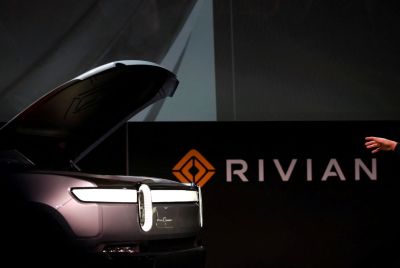
Rivian Automotive is laying off hundreds of employees just one week after beginning deliveries of its highly anticipated R2 SUV, the latest round of cost-cutting as the electric vehicle maker seeks to reach profitability amid heavy spending on autonomous technology and production scaling.
The company confirmed the reductions to TechCrunch, stating they affect less than 2% of its overall workforce and target service and customer teams, including sales and marketing roles. This marks at least the fourth round of layoffs since the beginning of 2024 as Rivian works to streamline operations and control costs in a challenging EV market.
"We recently restructured a handful of teams within Rivian as we work to profitably scale our business," the company said in a statement. The move comes as Rivian pushes to turn its first profit in 2027 after accumulating losses of around $30 billion to date.
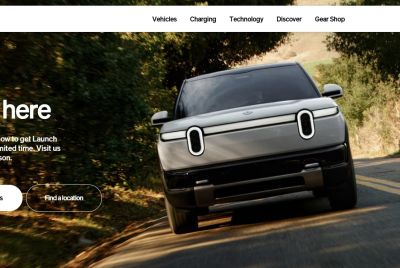
The timing of the cuts, coming so soon after R2 deliveries began, underscores the pressure on Rivian to balance growth ambitions with financial discipline. The R2, positioned as a more affordable model than the flagship R1T truck and R1S SUV, is central to the company's strategy to expand its customer base and increase production volume. However, ramping up manufacturing while investing heavily in future technologies has strained resources.
Rivian delayed its profitability target in March, citing substantial spending on autonomous vehicle development. The company currently offers a hands-off, eyes-on-the-road driver assistance feature but has yet to demonstrate full self-driving capabilities. This investment is critical for long-term competitiveness but has extended the timeline for reaching positive earnings.
Uber Partnership Provides Boost
The profitability delay was announced alongside news of a major partnership with Uber. The ride-hailing company plans to invest up to $1.25 billion in Rivian and purchase as many as 50,000 R2 SUVs to be used as robotaxis. The deal provides Rivian with significant capital and a large fleet order, validating its technology and production plans while offering a pathway to scale.
Despite the partnership, Rivian faces intense competition in the EV sector from established players like Tesla and legacy automakers accelerating their electric transitions. The layoffs reflect efforts to optimize operations and improve efficiency as the company navigates this competitive landscape.
Broader Industry Context
Rivian's challenges mirror those faced by many EV startups. High development costs, supply chain issues and slowing demand in some segments have forced several companies to restructure. The industry is shifting from rapid growth to sustainable scaling, with profitability becoming a key focus for investors and executives.
The R2 launch represents a pivotal moment for Rivian. Priced more accessibly than its R1 models, the SUV aims to broaden the company's appeal and drive higher volume. Early customer feedback has been positive, but consistent production and quality control will be essential for long-term success.
The layoffs, while limited in scope relative to the overall workforce, signal a more cautious approach to spending. Rivian has grown rapidly since its founding, hiring aggressively to support ambitious production goals. Now, the focus is shifting toward operational efficiency and financial sustainability.
Impact on Workforce and Operations
The reductions primarily affect service and customer-facing teams. These areas are critical for supporting vehicle owners and ensuring positive experiences that drive brand loyalty. Rivian will need to manage the transition carefully to maintain service quality during a period of expanding deliveries.
For employees, the news adds uncertainty in an industry already experiencing volatility. EV startups have seen multiple rounds of restructuring as they adjust to market realities. Rivian's statement emphasizes the changes as part of scaling the business profitably, aiming to reassure remaining staff and stakeholders.
The company continues investing in its Georgia manufacturing plant and future vehicle lineup. Balancing these capital-intensive projects with cost control remains a central challenge for management.
Financial Outlook and Investor Sentiment
Rivian has raised significant capital through public markets and partnerships but faces ongoing losses as it scales. Reaching profitability in 2027 will require successful R2 ramp-up, cost reductions and revenue growth from services and software.
Investor reaction to the layoffs has been mixed, with some viewing it as prudent management and others concerned about execution risks. The Uber deal provides a positive catalyst, demonstrating confidence in Rivian's technology from a major industry player.
The EV market in 2026 shows signs of maturation. Demand remains strong for compelling products, but consumers are more price-sensitive and selective. Companies that can deliver quality vehicles at competitive prices while controlling costs are best positioned for success.
Strategic Implications for Rivian
The layoffs and focus on efficiency suggest Rivian is prioritizing sustainable growth over rapid expansion. The R2 SUV is key to this strategy, offering a more affordable entry point into the Rivian ecosystem. Strong initial deliveries could validate the approach and support future investment.
Autonomous technology remains a major focus despite the delayed profitability timeline. Success in this area could open new revenue streams through robotaxi partnerships and advanced driver assistance features. However, technical and regulatory hurdles mean timelines remain uncertain.
Rivian's ability to execute on multiple fronts — production scaling, cost management and technology development — will determine its long-term trajectory. The company has demonstrated innovation and resilience but must now prove it can operate profitably in a competitive market.
Looking Ahead
As Rivian navigates this period of adjustment, attention will focus on R2 delivery volumes, financial results and progress on autonomous features. The Uber partnership provides both capital and validation, offering a foundation for growth.
The EV industry continues evolving, with established automakers and startups adapting to changing consumer preferences and economic conditions. Rivian's latest moves reflect a maturing approach focused on efficiency and profitability while maintaining innovation.
For customers awaiting R2 deliveries and employees adapting to organizational changes, the coming months will be critical. Rivian's success in balancing ambition with financial discipline could serve as a model for other EV makers facing similar challenges.
The company's statement on restructuring emphasizes its commitment to profitable scaling. As deliveries of the R2 SUV continue and cost-saving measures take effect, Rivian aims to build a sustainable business capable of competing in the rapidly changing automotive landscape.
© Copyright 2026 IBTimes AU. All rights reserved.
- Recommended For You