(VIDEO) Three Injured in Knife Attack at Swiss Train Station, Suspect Arrested
Swift police response in Winterthur prevents further harm after knife attack

ZURICH — Three people were wounded in a knife attack early Thursday at a busy train station in Winterthur, Switzerland, near Zurich, prompting a large police operation and the swift arrest of a 31-year-old Swiss national, authorities said.
The incident occurred in the station concourse, where the suspect allegedly stabbed three victims before fleeing. All three injured individuals were hospitalized and receiving treatment, though their conditions were not immediately detailed by police. No deaths were reported.
Winterthur police confirmed the suspect was taken into custody shortly after the attack. The man's motive is under active investigation. Swiss newspaper Blick reported obtaining video footage showing a man running from the station while shouting "Allahu Akbar," an Arabic phrase meaning "God is greatest." The paper cited an eyewitness who saw the man holding a knife as bystanders screamed and ran for safety.
Police have not officially confirmed the phrase or released further details about the suspect beyond his nationality and age. Federal authorities have been notified as part of standard procedure for incidents that may carry national security implications.
Rapid Police Response
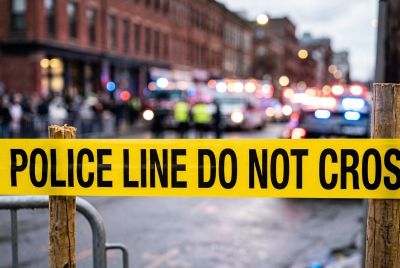
Officers from Winterthur and regional forces responded quickly, securing the area and launching a coordinated search. The station was temporarily locked down during the operation, causing significant disruption to morning commuter services. Train traffic has since resumed with some delays.
The swift arrest prevented further harm and demonstrated effective local law enforcement coordination in a relatively quiet Swiss city. Winterthur, with a population of about 110,000, is a major transport hub northeast of Zurich.
Context of the Attack
Switzerland has maintained a low rate of terrorist incidents compared to some European neighbors, but random knife attacks have occurred sporadically in recent years. The country's central location and open borders require constant vigilance from intelligence services monitoring both domestic radicalization and potential foreign-inspired threats.
The reported use of "Allahu Akbar" has drawn attention to possible ideological motivations, though officials stressed that all avenues — including personal, psychological or other factors — remain under review. No group has claimed responsibility, and there is no indication of accomplices.
This event comes amid broader European concerns about lone-actor violence using everyday weapons. Security experts note that such attacks are difficult to predict and prevent entirely, even in nations with strong social services and intelligence capabilities.
Impact on Public and Transportation
Commuters described scenes of panic as people sought shelter inside trains, shops and offices. Many expressed shock that such violence occurred in what is generally considered a safe, orderly city.
The incident has prompted increased security measures at major Swiss transport hubs. Additional patrols were visible in Zurich and other cities Thursday morning as a precautionary step.
For the victims and witnesses, psychological support services were made available. Local authorities urged calm while the investigation proceeds.
Ongoing Investigation
Police are examining the suspect's background, possible online activity, and any previous contact with authorities. Forensic analysis of the weapon and crime scene continues. Swiss prosecutors will decide on formal charges once initial evidence is reviewed.
The case highlights challenges in balancing public safety with civil liberties in open societies. Switzerland has faced occasional debates about surveillance powers and integration policies in response to similar isolated incidents.
Broader European Security Trends
Knife attacks have become a recurring concern across parts of Europe, often involving individuals acting alone. Many cases involve complex personal circumstances combined with ideological influences, making prevention particularly difficult.
Swiss security services work closely with European partners through intelligence-sharing networks. The country's direct democracy system and strong rule of law have generally helped maintain social stability, but events like Thursday's attack test public confidence.
As details emerge, officials will likely face questions about whether warning signs were missed and what steps can further protect public spaces like train stations.
For now, the focus remains on supporting the victims and completing a thorough, transparent investigation. Police have asked anyone with additional video footage or information to come forward.
The three wounded individuals are expected to recover, though the psychological impact on them and the wider community may linger. Winterthur residents expressed solidarity and hope that such violence remains rare in their region.
This incident serves as a sobering reminder of vulnerabilities in everyday public spaces. As the investigation advances, authorities aim to provide clear answers while maintaining calm across Switzerland.
© Copyright 2026 IBTimes AU. All rights reserved.
- Recommended For You