Dubai International Airport Is Open Today, Though Foreign Carriers Remain Suspended Amid Gulf Warning
UAE Airports Operate Normally as European Airlines Suspend Flights

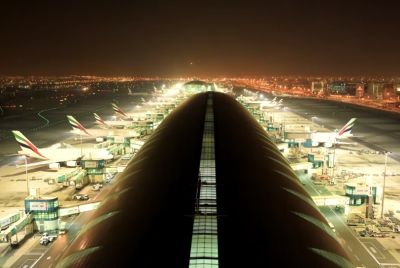
Dubai International Airport is open and operating on Saturday, with flights running across all three of its terminals, even as a European aviation safety warning covering United Arab Emirates airspace remains in effect and several major foreign carriers continue to suspend their Dubai routes.
UAE airspace itself remains fully open, and Dubai, Abu Dhabi and Sharjah airports are all operating, according to travel monitoring service Wego. Emirates, Etihad Airways and Air Arabia continue running largely normal schedules out of Dubai and Abu Dhabi, while flydubai is operating with some reduced capacity and rerouted services in certain markets. The distinction between UAE-based carriers, which set their own independent risk assessments through the country's General Civil Aviation Authority, and foreign airlines governed by separate international regulators has become a defining feature of the current travel landscape across the Gulf.
The primary source of ongoing disruption traces back to a safety advisory issued by the European Union Aviation Safety Agency. EASA's Conflict Zone Information Bulletin, first issued July 14 and subsequently revised on July 22, instructs all EASA-regulated airlines to avoid flying within UAE, Bahrain, Kuwait and Qatar airspace at any altitude, along with a defined portion of the Gulf of Oman, citing risks tied to missile, drone and combat aircraft activity linked to the breakdown of the earlier U.S.-Iran ceasefire. EASA said the bulletin's validity has been extended through August 31, with "no changes to the content or recommendations" from the version issued in mid-July, according to Gulf News. A separate advisory issued the same day recommends that airlines also avoid flying through Jordanian airspace through the same date.
It is important to note that the EASA bulletin functions as safety guidance for airlines rather than an announcement that Dubai's airport is closed. The advisory recommends that covered operators avoid the affected airspace and continue monitoring national aviation authorities' own instructions and notices, but it does not represent a closure of UAE airports or airspace by local Emirati authorities, who retain independent control over their own national airspace management.
That regulatory split has produced starkly different responses among airlines serving Dubai. Thirteen international carriers, including British Airways, Singapore Airlines, Air Canada and members of the Lufthansa Group, have extended their Dubai flight suspensions well into the fall, according to travel industry reporting. KLM extended its Amsterdam-to-Dubai suspension through August 23. Singapore Airlines confirmed its Singapore-to-Dubai flights will remain canceled through October 24. Cathay Pacific postponed its daily Hong Kong-to-Dubai service from September 1 to October 25. Aegean Airlines has canceled its Dubai flights through August 31. By contrast, UAE-based carriers, including Emirates, Etihad Airways and flydubai, have continued operating the substantial majority of their international networks out of Dubai and Abu Dhabi throughout the same period.
EASA's guidance has cited a range of specific risk factors underpinning its continued advisory, including what the agency described as "unpredictable military developments, combined with the possible use of missiles, drones, combat aircraft and air-defence systems" creating elevated risk to civil aviation at all altitudes within the covered airspace. The current advisory follows an earlier period of relative de-escalation in early July, when EASA had briefly downgraded its broader Middle East warning to a lower-level information note, only to reinstate the stronger non-operational recommendation on July 14 after Iran fired ballistic missiles at a U.S. air base in Jordan.
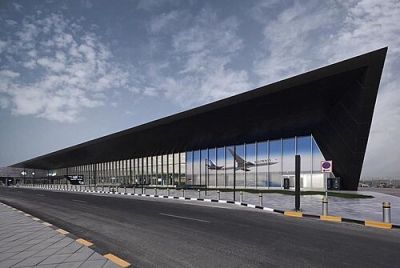
Dubai International Airport, the world's busiest airport by international passenger volume, welcomed a record 95.2 million passengers in 2025 and remains the primary hub for both Emirates and flydubai. Travelers are advised to confirm their specific departure terminal directly through their booking or airline app before heading to the airport, since terminal assignments can shift during periods of disruption. Terminal 1 serves more than 50 international carriers and connects to the airport's D Gates via an internal train. Terminal 2 handles regional, international and charter flights, including many flydubai services, though it operates separately from Terminals 1 and 3 and lacks a dedicated metro station. Terminal 3 primarily serves Emirates, along with select flydubai, United and Air Canada flights, and includes a Dubai Metro Red Line station along with sleep pod facilities in several of its gate areas.
Airlines continuing to operate through Dubai have urged passengers to build additional time into their travel plans given the ongoing disruption. FlyDubai has specifically advised passengers traveling during the busy summer period to arrive at Dubai International Airport at least four hours before their scheduled departure, citing both longer processing times and the possibility of short-notice schedule adjustments tied to the evolving regional security situation.
With the EASA advisory now extended through the end of August and foreign carrier suspensions stretching into the fall for some airlines, travel monitoring services continue to emphasize that passengers should verify their individual flight status directly with their airline before departing for the airport, given how frequently conditions affecting specific routes and carriers have shifted throughout the summer amid the broader regional conflict.
© Copyright 2026 IBTimes AU. All rights reserved.
- Recommended For You