

Is Dubai International Airport Open Today? DXB Is Operating Normally Amid Lingering Regional Tensions
Dubai International Airport continues uninterrupted service despite regional security challenges
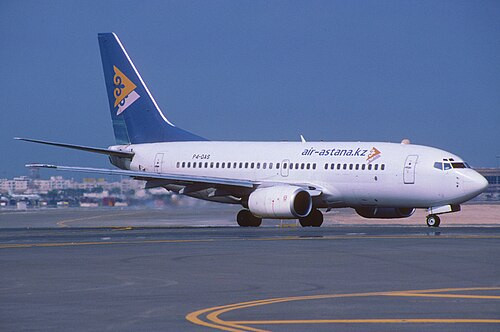
Dubai International Airport is open and operating a full flight schedule Saturday, continuing months of largely uninterrupted service even as broader security tensions have periodically disrupted air travel elsewhere in the Gulf region this year.
Live flight tracking data reviewed Saturday showed hundreds of scheduled arrivals and departures moving through the airport, known by its code DXB, with both of the airport's major carriers, Emirates and flydubai, running close to their normal schedules. The airport, one of the busiest in the world by international passenger traffic, has largely avoided the kind of extended shutdowns that have affected some neighboring airports since a broader regional conflict escalated earlier this year.
Dubai Airports, the government entity that operates the emirate's civil aviation infrastructure, has periodically issued operational advisories tied to temporary regional airspace restrictions throughout 2026, most notably during a stretch of hostilities between the United States, Israel and Iran that disrupted air travel across much of the Gulf. During those episodes, the airport operator confirmed that both Dubai International and Dubai World Central, the emirate's secondary airport at Al Maktoum International, continued operating even as some routes were temporarily rerouted or adjusted.
Travel advisories issued by airlines and travel platforms in recent weeks have generally confirmed that Dubai's airports remain fully operational, while cautioning that isolated flight delays or cancellations tied to shifting regional airspace restrictions remain possible on a day-to-day basis. According to guidance published by the travel platform Trip.com, Dubai International Airport remains operational across all of its terminals, though passengers have been advised to confirm their individual flight status directly with their airline before heading to the airport given the fluid nature of regional conditions.
The wider instability tracing back to the 2026 conflict involving Iran has weighed most heavily on smaller and more exposed airports elsewhere in the Gulf, including Kuwait's main international airport, which sustained direct damage from Iranian strikes earlier this year. Dubai, positioned further from the immediate conflict zones and long positioned as a global aviation and business hub, has by contrast maintained comparatively stable operations throughout the period, according to multiple travel-industry trackers monitoring the situation.
Some individual routes connecting Gulf airports have continued to see schedule adjustments even as overall operations remain steady. Etihad Airways, the flag carrier of neighboring Abu Dhabi, has periodically canceled or adjusted specific routes between the UAE and Bahrain in response to regional security developments, according to travel advisories reviewed this month, underscoring that while major hub airports like Dubai International have remained functional, individual point-to-point routes can still see disruptions tied to the broader regional situation.
Dubai International Airport handled more than 92 million passengers in 2024, according to figures previously released by Dubai Airports, cementing its position as one of the world's busiest airports for international travel. The facility operates around the clock and serves as the primary hub for Emirates, one of the largest long-haul international carriers in the world, along with budget carrier flydubai, which primarily serves shorter regional routes across the Middle East, Africa, Asia and Europe.
Airlines operating out of Dubai have continued to advise passengers to arrive well ahead of scheduled departure times given ongoing global aviation security measures and periodic congestion during peak travel periods. Flydubai has specifically recommended that departing passengers arrive at least four hours before their scheduled flight time, with check-in counters closing 60 minutes prior to departure, guidance that has remained consistent throughout the year regardless of the broader regional security picture.
For travelers monitoring the situation, aviation trackers and airline apps remain the most reliable sources of real-time flight status information, given how quickly conditions tied to regional airspace restrictions have shifted at various points earlier in 2026. Multiple travel advisory services have recommended that passengers keep digital copies of key travel documents, including passports and boarding passes, readily accessible in case of last-minute itinerary changes.
As of Saturday, however, no advisories from Dubai Airports, the UAE's General Civil Aviation Authority, or major carriers operating out of the emirate indicated any disruption to service at Dubai International Airport. The airport's continued full operation stands in contrast to the more variable situation still affecting some other airports in the region, where infrastructure damage and periodic airspace closures tied to the broader conflict have continued to affect service well into the second half of the year.
Passengers with upcoming travel through Dubai International Airport are advised to check their specific flight status directly with their airline, both due to standard scheduling variability and out of caution given the broader regional security environment that has periodically affected air travel across the Gulf throughout 2026.
© Copyright 2026 IBTimes AU. All rights reserved.