Is Dubai International Airport Open Today? Flights Running Normally Despite Regional Tensions
Dubai International Airport operates smoothly despite past disruptions from U.S.-Iran conflict.
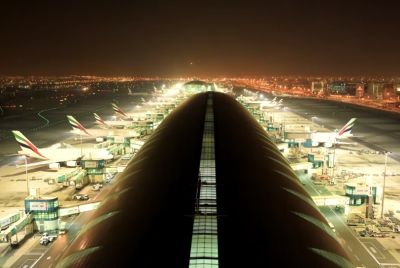
DUBAI — Dubai International Airport is open and operating normally today, with live flight boards showing hundreds of arrivals and departures moving through all three terminals despite months of on-and-off disruptions tied to the broader conflict between the United States and Iran.
According to Dubai Airports' official flight information system, no scheduled closures are currently in place. Airlines including Emirates, flydubai and Etihad have continued flying regular schedules, with connections arriving from major hubs across Europe, South Asia and the United States as scheduled Saturday.
A Long Road Back to Normal Operations
DXB's current stability follows one of the most disruptive stretches in the airport's history. Regional airspace closures triggered by the outbreak of renewed U.S.-Iran conflict in late February led to near-total shutdowns of Gulf airspace at various points earlier this year, forcing widespread flight cancellations and prompting some airlines to advise passengers not to travel to the airport until their flights were reconfirmed.
One of the most severe episodes came in early March, when Emirates issued an emergency "red alert" and canceled all flights to and from Dubai for a full day amid escalating tensions, leaving thousands of passengers stranded before service gradually resumed. In the days that followed, Dubai Airports worked to restore connectivity at a rapid pace, operating more than 1,140 flights across Dubai International and Al Maktoum International Airport over just 84 hours, adding over 105,000 outbound seats to help stranded travelers reach more than 80 countries.
Where Things Stand Today
As of this week, UAE airspace remains fully open for commercial flights, and Dubai International Airport is operating across all of its terminals. Travel advisories note that while the airport remains fully functional, regional airspace conditions can still shift with little notice, and the European Union Aviation Safety Agency has maintained an active conflict-zone bulletin covering UAE, Bahrain, Kuwait, Qatar and parts of the Gulf of Oman airspace through at least Aug. 31, a safety advisory for airline operators that does not indicate UAE airspace is officially closed but signals that route changes remain possible depending on developments in neighboring airspace.
According to on-the-ground travel reporting, passenger eyewitness accounts have described functional airport terminals with manageable crowd levels and normal boarding procedures this week, even as a small minority of routes continue experiencing non-standard scheduling tied to lingering regional caution among some carriers.
Some International Carriers Remain Grounded
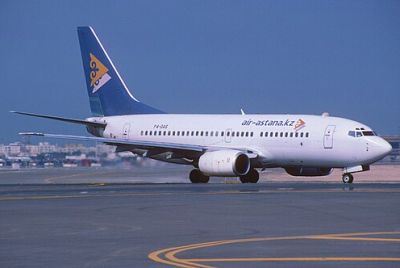
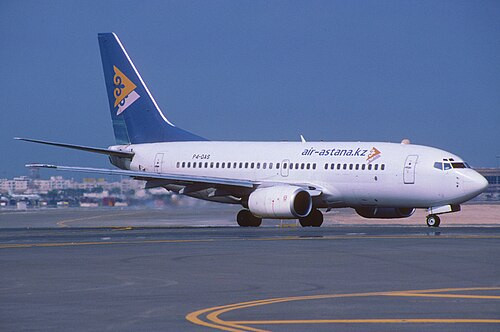
Despite DXB's overall return to stable operations, a number of major international airlines have chosen to keep their Dubai routes suspended well into the fall rather than resume service amid the continued uncertainty. British Airways has suspended its Dubai, Bahrain, Amman and Tel Aviv routes until Oct. 31. Singapore Airlines, Cathay Pacific, Finnair and ITA Airways have all paused Dubai service until Oct. 24, while Lufthansa and Swiss have suspended Dubai flights until Sept. 13. Aegean Airlines and Air Astana have similarly kept their Dubai routes grounded, according to the latest airline advisories tracked by Gulf News.
Despite those high-profile absences among long-haul international carriers, Dubai Airports has emphasized that its home carriers, Emirates and flydubai, continue operating a broad schedule that keeps the airport functionally connected to a substantial portion of its normal global route network.
Travel Advisories for Passengers
Passengers flying through Dubai, Abu Dhabi or Sharjah this week are being advised to check their flight status before leaving home and to allow extra time for check-in, security and immigration procedures, given that passenger traffic remains elevated during what airport authorities have described as one of the busiest travel periods of the year. Dubai International Airport has specifically advised travelers to build additional buffer time into their journeys due to increased summer travel demand layered on top of the residual effects of the year's earlier disruptions.
A Broader Pattern of Recovery
Dubai's aviation recovery has broadly tracked the trajectory of the wider U.S.-Iran conflict throughout 2026, with periods of relative calm interrupted by renewed flare-ups that have repeatedly forced airlines to adjust schedules on short notice. Regional security developments have continued to shape airline decision-making even as direct disruptions to Dubai's own airspace have eased; this week, Gulf News reported that Saudi Arabia, Turkey and Pakistan signed a mutual defense pact stating that an attack on any one of the three countries would be treated as an attack on all three, a development that underscores the continued volatility of the broader regional security picture even as air travel through Dubai itself has stabilized.
What Travelers Should Know
Dubai International Airport operates 24 hours a day, seven days a week across its three terminals, with Emirates using Terminal 3, flydubai and regional carriers using Terminal 2, and most other international airlines operating out of Terminal 1. The airport provides round-the-clock passenger support through information desks staffed by multilingual representatives located throughout all terminals, along with emergency assistance points positioned roughly every 50 meters within terminal buildings.
For now, the answer to whether Dubai International Airport is open today remains a clear yes, with flights actively departing and arriving across the airport's full terminal network. Travelers connecting through one of the world's busiest aviation hubs are nonetheless encouraged to continue monitoring their specific flight status closely, particularly given the continued absence of several major international carriers from the Dubai route and the ongoing, if currently dormant, potential for renewed regional disruption tied to the broader conflict.
© Copyright 2026 IBTimes AU. All rights reserved.
- Recommended For You