5 Key Alternatives to the Strait of Hormuz in 2026: Pipelines, Land Corridors and Long Detours
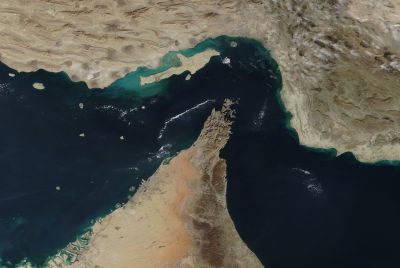
DUBAI, United Arab Emirates — With the Strait of Hormuz still facing restricted traffic and lingering uncertainty despite a fragile two-week U.S.-Iran ceasefire announced April 8, 2026, global energy markets and shipping companies are urgently examining alternatives to the narrow waterway that normally carries about 20-21% of the world's oil and significant liquefied natural gas supplies.

The strait, squeezed between Iran and Oman at the mouth of the Persian Gulf, has seen only a handful of vessels transit daily in recent weeks, far below normal volumes of roughly 20-21 million barrels per day of oil and petroleum products. While some bulk carriers have tested limited passages and major lines like Maersk and Hapag-Lloyd seek clarity on safe reopening, experts warn that full restoration could take weeks or longer amid mine risks and coordination challenges.
As disruptions ripple through supply chains — with more than 34,000 shipping routes already diverted in the first four weeks — five main alternatives have emerged or gained renewed attention in 2026. None can fully replace the strait's capacity in the short term, but together they offer partial relief for oil exports, container trade and long-term diversification.
1. Saudi Arabia's East-West Pipeline (Petroline) Saudi Aramco's 1,200-kilometer East-West Pipeline, also known as the Petroline, runs from the Abqaiq processing center in the east to the Red Sea port of Yanbu. With a capacity of up to 5 million barrels per day, it has become one of the most important bypass options during the crisis. Saudi officials have ramped up flows through this decades-old infrastructure, moving crude to Yanbu for export via the Red Sea and onward through the Suez Canal or around Africa.
The pipeline provides a critical "back door" for Saudi oil, the world's largest exporter, but it shifts pressure to the Bab el-Mandeb Strait at the southern end of the Red Sea — another vulnerable chokepoint. Analysts note that while it helps alleviate immediate Gulf bottlenecks, increased Red Sea traffic could raise insurance costs and require enhanced naval protection.
2. UAE's Habshan-Fujairah Pipeline (ADCOP) The Abu Dhabi Crude Oil Pipeline, completed in 2012 at a cost of about $3.3-4.2 billion, connects inland oil fields in Habshan to the port of Fujairah on the Gulf of Oman, outside the Strait of Hormuz. With a capacity of roughly 1.8 million barrels per day, it allows the UAE — a major Gulf producer — to export crude directly to the Indian Ocean without navigating the contested waterway.
In 2026, the pipeline has operated at elevated levels as Abu Dhabi tests its limits and coordinates with international buyers. Fujairah has grown as a key storage and bunkering hub, offering a safer exit for tankers heading east to Asia or around the Cape of Good Hope. Expansion plans discussed before the crisis could further boost its role, though current throughput remains modest compared to Hormuz volumes.
3. Iraq-Turkey (Kirkuk-Ceyhan) Pipeline and Mediterranean Routes Iraq has reactivated and increased flows through its northern pipeline to the Turkish Mediterranean port of Ceyhan, providing an overland alternative that bypasses the Persian Gulf entirely for some northern Iraqi crude. Capacity has varied due to past disputes and maintenance, but in the current environment it serves as a valuable outlet to European and Mediterranean markets.
Additional proposals include rehabilitating routes through Syria or building new lines to Jordan's Aqaba port on the Red Sea. These Mediterranean options reduce exposure to Hormuz but introduce their own geopolitical and logistical complexities, including transit fees and pipeline security concerns across multiple borders.
4. India-Middle East-Europe Economic Corridor (IMEC) Originally proposed in 2023 as a counter to China's Belt and Road Initiative, the IMEC has gained fresh relevance in 2026. The ambitious multimodal corridor would link India by sea to the UAE and Saudi Arabia, then proceed overland through Jordan and Israel before connecting to Europe via Greece and the Mediterranean.
While primarily designed for general trade, energy and digital infrastructure, IMEC could eventually incorporate oil and gas pipelines or rail transport to move Gulf resources westward without relying on narrow maritime straits. Experts caution that the project remains years from full operation and faces significant infrastructure, political and funding hurdles, but the Hormuz crisis has accelerated discussions and feasibility studies among participating nations.
5. Cape of Good Hope Route and Expanded Southern African Detours When maritime options through the Middle East become too risky, many tankers and container ships revert to the long detour around Africa's Cape of Good Hope. This route adds 10-14 days and thousands of nautical miles to Asia-Europe journeys but completely avoids the Red Sea, Suez Canal, Bab el-Mandeb and Hormuz.
In recent weeks, shipping giants including Maersk and CMA CGM have rerouted vessels around the Cape, increasing fuel costs and transit times while easing pressure on congested alternative chokepoints. The open-ocean passage has handled surges in traffic, though it raises environmental concerns from higher emissions and operational costs that ultimately pass to consumers through elevated freight rates.
Broader Implications and Limitations
These five alternatives highlight both the ingenuity of Gulf states in building bypass infrastructure years ago and the persistent vulnerabilities of global energy supply chains. Pipelines like Saudi Arabia's East-West and the UAE's Habshan-Fujairah offer the fastest near-term relief for oil, but their combined capacity falls well short of Hormuz's normal throughput. Land corridors such as IMEC promise diversified, multimodal resilience but require massive investment and political stability.
Longer sea routes around the Cape provide flexibility for non-energy cargo yet inflate costs and delay deliveries at a time when global trade already faces inflationary pressures. Other discussed options, including potential new pipelines to Oman's Duqm port or expanded Iraq-Jordan links, remain conceptual or early-stage in 2026.
The fragile ceasefire has brought cautious optimism, with shipping companies seeking technical guidance and naval escorts before resuming full operations. Only a few vessels have tested transits since April 8, and Iran has issued warnings about mines and controlled corridors, adding layers of uncertainty.
For oil importers in Europe and Asia, the crisis underscores the need for diversified sourcing, strategic reserves and accelerated investment in renewables and alternative fuels. Major consumers like China and India have drawn on stockpiles and explored increased imports from Russia, the United States and other non-Gulf producers to cushion the shock.
Analysts predict that while the immediate panic may ease if the ceasefire holds, the events of early 2026 will accelerate long-term shifts: more pipeline capacity outside Hormuz, greater emphasis on overland corridors and a reevaluation of just-in-time supply chains that depend heavily on vulnerable maritime chokepoints.
As diplomats, naval forces and industry leaders work toward safer navigation through the Strait of Hormuz, the spotlight remains on these five alternatives — imperfect substitutes that nevertheless demonstrate resilience and adaptability in the face of geopolitical risk. The coming weeks will test whether temporary workarounds can evolve into permanent strategic diversification for one of the world's most critical energy arteries.
© Copyright 2026 IBTimes AU. All rights reserved.
- Recommended For You