Strait of Hormuz Crisis Deepens as Iran Claims Tanker Mine Strike and Gulf Talks Collapse Once Again
Iran blamed naval mines for the El Gaia explosion, while US Central Command said the tanker was struck by Iranian forces as traffic through the waterway remains severely disrupted.

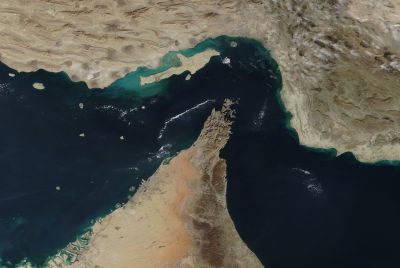
DUBAI — The crisis engulfing the Strait of Hormuz entered its seventh month this week with fresh escalation, as Iran claimed a mined tanker exploded south of the waterway, U.S. Central Command disputed that account, and regional talks aimed at establishing safer shipping routes through the strait collapsed for a second time without a new date set.
The strait, one of the world's most critical energy chokepoints, has been effectively closed to normal traffic since February 28, when the United States and Israel launched a military campaign against Iran. In retaliation, Iran's Islamic Revolutionary Guard Corps issued warnings barring passage through the waterway, began boarding and attacking merchant vessels, and laid naval mines across the strait. The United States separately imposed a naval blockade on Iranian ports between mid-April and late May. The crisis has left 20 seafarers and one port worker dead, with 35 more injured and one person still missing, according to tracking compiled by maritime monitors.
The latest flashpoint came late Saturday, when the United Kingdom Maritime Trade Operations Centre reported that a vessel had been struck by an unknown projectile while transiting the strait near Limah, Oman. A fire broke out onboard, and local authorities assisted with a crew evacuation; UKMTO's initial report noted no casualties. Iranian state broadcaster IRIB offered a different account of what may have been the same or a related incident, claiming an Iranian commercial vessel was struck near Qeshm Island, killing one person and injuring four. India's Ministry of External Affairs separately confirmed that the MT El Gaia, a Panamanian-flagged tanker carrying 14 Indian crew members, had been attacked in the area.
The situation escalated further Monday, when Iran's IRGC Navy announced that the supertanker El Gaia had exploded south of the strait after striking naval mines. On Tuesday, U.S. Central Command disputed that account, saying the vessel had instead been struck by Iranian forces rather than a naval mine, deepening the disagreement between Washington and Tehran over what exactly is unfolding in the contested waterway. The United States has not commented in detail on the earlier weekend strike near Qeshm Island.
The renewed violence torpedoed diplomatic efforts that had appeared close to a breakthrough. Iranian officials had been scheduled to meet regional counterparts in Oman to sign an agreement establishing new, safer shipping routes through the strait, a session that had been billed as a potential first step toward de-escalation. Oman announced the meeting's postponement, saying the decision was made jointly with Iran at the request of several regional governments, though no new date has been set. It marks the second time talks aimed at easing the crisis have collapsed without a firm rescheduling.
Shipping data underscores how severely the crisis has curtailed normal traffic through the strait. Vessel transits fell to single digits over the weekend, according to preliminary ship-tracking data, continuing a pattern in which traffic has remained roughly 90% below pre-conflict levels for months. Before the war began, approximately 20 million barrels of oil moved through the strait daily, alongside roughly 20% of the world's liquefied natural gas supply. According to recent U.S. government estimates, only about 15 million barrels of Gulf oil now leave the region each day through the strait and alternative export routes combined.
Those alternative routes have themselves come under mounting pressure. Saudi Arabia was forced to shut down its East-West pipeline, the kingdom's primary route for exporting crude without transiting the strait at all, following a wave of attacks attributed to Iran-aligned militant groups. The pipeline's closure removed one of the region's few remaining safety valves for oil exports and contributed directly to a sharp jump in global crude prices, with Brent crude climbing more than 2% to trade above $107 a barrel following the latest round of strikes on both Saudi infrastructure and shipping in the strait.
The crisis has also spread to a second critical waterway. Iran-backed Houthi rebels in Yemen have escalated their own campaign, seizing control of the port city of Mocha and tightening their grip on the Bab el-Mandeb Strait, another vital chokepoint for global shipping. That expansion has raised fears of a second front in the broader conflict between Iran and the United States, with roughly 99% of Saudi-flagged vessels in the Red Sea now operating exclusively within Saudi territorial waters, the highest such share since at least 2022, according to maritime intelligence tracking.
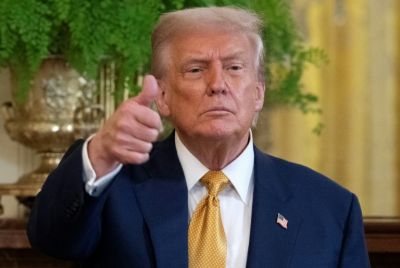
President Donald Trump addressed the standoff Monday, suggesting the United States could retain seized Iranian oil in a manner similar to its handling of Venezuelan crude amid that country's own sanctions standoff with Washington. Trump said revenue generated from the Venezuela arrangement has "paid for the war many times," signaling the administration may view captured or blockaded Iranian oil revenue as a potential funding mechanism for continued U.S. military operations in the region, even as direct negotiations between Washington and Tehran remain stalled.
Iran's Foreign Ministry has continued to press for a new maritime arrangement despite the collapsed talks, with officials saying they intend to discuss establishing new shipping routes through the strait with Gulf countries going forward, though no timeline for resumed negotiations has been announced. Earlier in the crisis, Iranian Foreign Minister Abbas Araghchi had maintained that the strait remained technically open to international shipping, while barring vessels linked to the United States and Israel specifically, though hundreds of ships, including many Indian-flagged vessels, have remained stranded in the waterway for extended periods as shipping companies weigh the safety risks of transiting the area at all.
With mine claims disputed between Washington and Tehran, diplomatic talks stalled for a second time, and oil prices continuing to climb on the combined pressure from strikes on both the strait and Saudi pipeline infrastructure, the crisis shows no clear sign of resolution as it enters its seventh month, leaving global energy markets exposed to continued volatility with no firm timetable for the strait's normal operations to resume.
© Copyright 2026 IBTimes AU. All rights reserved.
- Recommended For You