SpaceX Sets $135 IPO Price for Historic Nasdaq Debut on Friday
Elon Musk's SpaceX launches its IPO at $135 per share, marking a significant milestone in the commercial space sector.

NEW YORK — SpaceX, Elon Musk's rocket and satellite company, has priced its initial public offering at $135 per share, setting the stage for what is expected to be the largest IPO in history when the stock begins trading on the Nasdaq on Friday under the ticker SPCX.
The fixed $135 price was confirmed late Thursday, with the company planning to sell approximately 555.6 million shares, raising around $75 billion at that valuation. Including the underwriters' greenshoe option for an additional 83 million shares, the total could reach roughly $86 billion. At the $135 offer price, SpaceX is expected to debut with a market capitalization of approximately $1.78 trillion.
The pricing process deviated from the traditional IPO playbook, in which companies and underwriters gauge demand and set a final price often above or below an initial range after a roadshow. SpaceX instead fixed the price before its investor roadshow began last week, making Thursday's announcement largely a formality. This approach reflects Musk's unconventional style and the extraordinary demand for one of the world's most valuable private companies.
Strong Demand and Retail Allocation
Early indications point to robust interest. The offering is reported to be four times oversubscribed, though such figures can be inflated by institutional investors seeking larger allocations. Retail investors have been able to place orders through major brokerages including Charles Schwab, Fidelity, Robinhood, SoFi and E-Trade, with some platforms moving deadlines forward to manage demand.
SpaceX is reportedly targeting a retail allocation of around 30%, significantly higher than the typical 5-10% in most IPOs. The final allocation remains subject to last-minute adjustments as underwriters finalize distribution.
The debut is highly anticipated, with Nasdaq market makers set to match buy and sell orders Friday morning to establish an opening price. For large, high-profile IPOs, this process can extend well past the opening bell as the market seeks equilibrium. By Friday afternoon, SpaceX will transition from private to public, with its share price determined by market forces rather than company-set terms.
Company Background and Growth Story
Founded in 2002, SpaceX has transformed from a startup challenging conventional aerospace wisdom to a leader in reusable rockets, satellite internet and crewed spaceflight. The company's Falcon rockets have dramatically reduced launch costs, while Starlink has expanded high-speed internet access to remote and underserved areas globally.
SpaceX has secured numerous NASA contracts, including cargo and crew missions to the International Space Station, and has ambitious plans for Mars colonization. Its valuation has soared in recent private funding rounds, making it one of the most valuable private companies in the world.
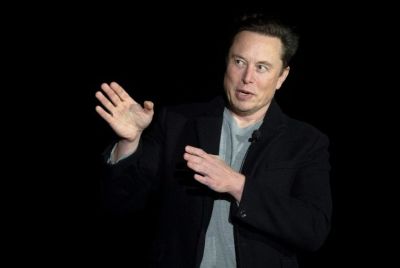
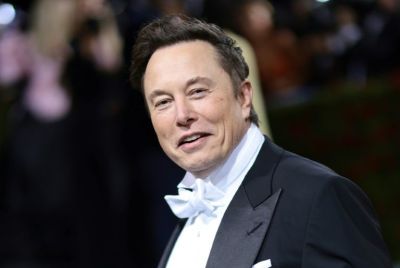
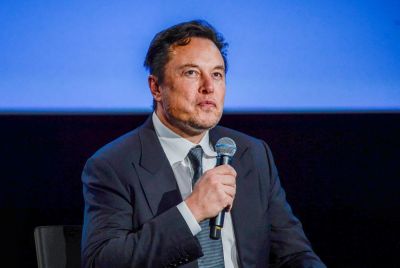
The IPO represents a significant milestone for Musk's empire, which also includes Tesla, xAI and X. Proceeds from the offering will support continued investment in Starship development, Starlink expansion and other initiatives. The company has emphasized long-term goals over short-term financial pressures, a philosophy that has defined its trajectory.
Market Context and Investor Interest
The IPO arrives at a time of strong appetite for innovative technology companies, particularly those tied to space, AI and infrastructure. Recent successful debuts in related sectors have boosted confidence, though broader market caution around interest rates and geopolitical risks remains.
SpaceX's unique position as a leader in both commercial spaceflight and global connectivity has drawn intense interest from institutional and retail investors. The high retail allocation reflects Musk's history of engaging directly with individual shareholders through his other ventures.
Analysts expect significant volatility in early trading, typical for high-profile debuts. The opening price relative to the $135 offer and the first-day close will be closely watched as indicators of market reception. Strong performance could set a positive tone for other anticipated technology listings, while any weakness might reflect broader concerns about elevated valuations.
Challenges and Risks
Despite its successes, SpaceX faces substantial operational and financial risks. Rocket launches remain inherently dangerous, with Starship still in development and testing phases. Regulatory hurdles, competition from other space companies and the capital-intensive nature of the business present ongoing challenges.
Starlink's expansion has been rapid but requires continuous investment in satellites and ground infrastructure. Monetization in emerging markets and regulatory approvals in various countries will influence long-term profitability.
Musk's leadership style, while visionary, has sometimes introduced volatility through public statements and multiple competing priorities across his companies. Investors will be watching how the public company structure affects decision-making and capital allocation.
Broader Implications for Space Industry
SpaceX's public debut could mark a new era for the commercial space sector, potentially unlocking additional capital and visibility for the industry. Successful trading could encourage other private space companies to pursue listings, accelerating innovation and competition.
The company's valuation reflects not only current achievements but also expectations for future dominance in satellite communications, space tourism and interplanetary exploration. Its performance will be seen as a barometer for investor confidence in ambitious technology ventures.
Looking Ahead
Friday's market debut will provide the first true test of SpaceX's public valuation. As trading begins, focus will shift to how the stock performs in the initial sessions and what it signals about broader market appetite for high-growth technology stories.
For Musk and SpaceX, the IPO represents both a validation of past achievements and a new chapter with heightened scrutiny from public shareholders. The company's ability to deliver on ambitious timelines while managing costs and risks will determine its long-term success as a listed entity.
As markets open Friday, all eyes will be on SpaceX's historic debut. The $135 pricing and massive fundraising target underscore the extraordinary interest in one of the most influential companies of the modern era. Whether the stock opens above or below the offer price, the transition to public markets marks a significant milestone in SpaceX's journey from startup to global leader in space technology.
Investors, industry observers and the public will watch closely as the world's most valuable private company becomes publicly traded. The debut promises to be one of the most closely followed events in financial markets this year, with implications extending far beyond a single stock.
© Copyright 2026 IBTimes AU. All rights reserved.
- Recommended For You