SK Hynix ADRs Fall More Than 6% as Memory Rally Breaks on Fears of Slower AI Spending
The sector-wide sell-off followed calls to moderate frontier AI development, despite SK hynix reporting record quarterly results and maintaining strong demand guidance.
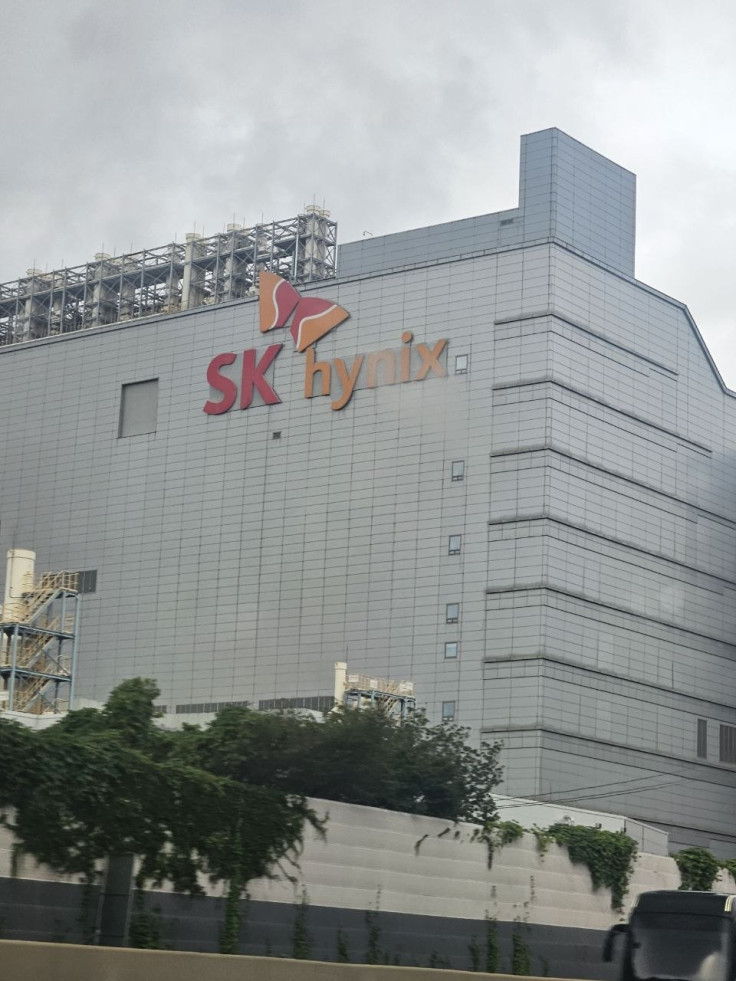
SEOUL — SK hynix American depositary receipts fell 6.33% to $178.04 on Monday, down $12.03, as memory stocks sold off on concern that calls to slow frontier artificial-intelligence development could crimp demand for high-bandwidth chips.
The Nasdaq-listed ADRs had closed Friday at $190.07. Premarket prints ran as low as about $175. In Seoul, the ordinary shares dropped 6.35% and the KOSPI index lost 3.26%. Micron, Sandisk and Western Digital also slid more than 4% in U.S. dealing. There was no SK hynix earnings warning. The tape was a sector move.
Investors marked down suppliers after Anthropic Chief Executive Dario Amodei urged the industry to manage the pace of frontier models, saying building AI "too fast is reckless" and calling China the "toughest dilemma" in any global speed limit. Reports said OpenAI's Sam Altman and Elon Musk had echoed a slower-build argument. High-bandwidth memory is the bottleneck inside AI accelerators. A pause in server orders would hit SK hynix first among Korean names because HBM is the core of its premium mix.
That mix just printed a record quarter. On July 29 the company reported second-quarter revenue of 79.32 trillion won, up 51% from the prior quarter and 257% from a year earlier. Operating profit was 60.54 trillion won, a 76% margin. Net profit was 93.92 trillion won. HBM4 mass shipments started in the quarter. "HBM4 has demonstrated its differentiated technological edge by achieving customer-required operating speeds while delivering industry-leading power efficiency and cost competitiveness," the company said. Production is set to ramp in the second half. HBM4E samples went to a major customer in the first half.
For the third quarter, management guided DRAM bit shipments up about 10% and NAND up a low-single-digit percentage. It said it has long-term agreements with about 10 key customers, cash of 88 trillion won and a debt-to-equity ratio of 7%. On the AI-capex-slowdown narrative, executives framed data-center leasing and more efficient models as monetizing kits already built, not cutting investment. Major customers, they said, are still asking for more memory.
Counterpoint Research put SK hynix at 50% of HBM revenue in the second quarter, down from 58% in the first as Samsung rose to 33%. The gap is narrower than a year ago, when SK hynix held 64%. The company remains the volume leader into Nvidia-class stacks. JPMorgan initiated coverage of the ADR on Sept. 10 at Overweight with a $245 target. Needham's target is $220. A compiled average near $248 implied more than 30% upside from Friday's close — before Monday's gap.
The ADR listed in July at $149 and printed a 52-week high of $199.87 on Sept. 9. Monday's $178 handle is a giveback of that spike, not a collapse of the earnings run-rate. Ipek Ozkardeskaya, senior analyst at Swissquote, called the session a "sour mood" morning after hotter U.S. core inflation revived talk of a firm Federal Reserve this week.
The risk Monday priced is duration. If hyperscalers stretch server cycles, HBM4 ramps into a softer book. If they do not, SK hynix is still the firm that started HBM4 shipments, guided 10% more DRAM bits this quarter and told the market customers want more silicon, not less. The next official numbers will come with the third-quarter report. Until then the ADR is a high-beta claim on a debate in San Francisco, not a change in Icheon's shipment plan.
© Copyright 2026 IBTimes AU. All rights reserved.
- Recommended For You