

SK Hynix Shares Fall 4.7% As Memory Chip Stocks Pull Back After Recent Rally On AI Demand
SK Hynix's stock declines as memory chip sector experiences a pullback, despite strong AI-driven demand and recent upgrades from major financial institutions.
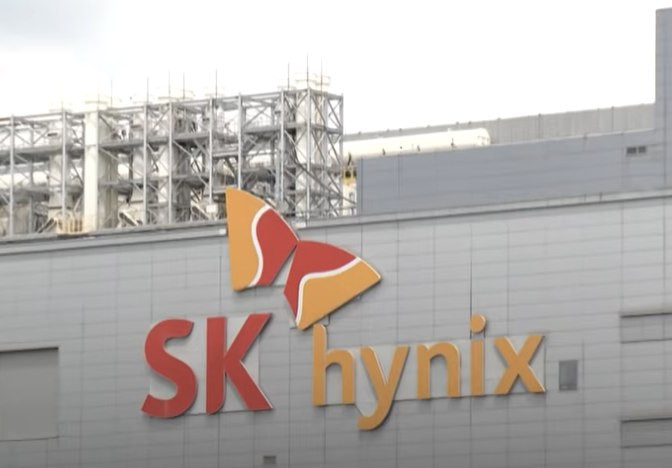
SEOUL, South Korea — Shares of SK Hynix Inc.'s American Depositary Receipts fell $9.38, or 4.72%, to $189.25 as of 10:26 a.m. ET Thursday, pulling back alongside a broader retreat across memory chip stocks following a strong multi-week rally tied to surging AI-driven demand for semiconductor components.
Thursday's decline came as fellow memory makers Micron and SanDisk also traded lower in premarket activity, according to TipRanks, with the entire memory chip subsector giving back some of the substantial gains it had posted over the preceding week. The pullback followed a period of exceptionally strong performance for SK Hynix specifically, with the stock climbing more than 7% in Seoul trading as recently as Sept. 7, fueled by renewed enthusiasm around OpenAI's newly released GPT-6 Astra model, which reignited investor optimism about continued strong demand for AI-related memory chips.
SK Hynix has emerged as one of the standout performers among South Korean equities throughout 2026, according to StockAnalysis.com, with the roughly $1.2 trillion chip giant rising more than 10% over just the past month prior to Thursday's decline. The rally has been driven by a combination of tight global memory supply conditions and surging demand tied to the broader artificial intelligence infrastructure buildout among major technology companies.
Bank of America upgraded SK Hynix to a Buy rating with a $250 price target this week, according to Yahoo Finance, citing tight memory supplies and strong demand for AI-related chips as the primary drivers behind the more bullish outlook. The bank's upgrade noted that SK Hynix has built up significant cash reserves and has initiated a 40 trillion won share buyback program, moves that reflect the company's strong underlying financial position amid the current favorable pricing environment for memory products. JPMorgan also initiated coverage of SK Hynix with an Overweight rating this week, according to CNN's compilation of recent analyst activity, adding further institutional support behind the stock even as Thursday's session brought a pullback from recent highs.
SK Hynix, a South Korean semiconductor company that manufactures dynamic random-access memory chips and flash memory chips, ranks among the world's largest memory chip vendors alongside Samsung Electronics and Micron Technology, collectively forming what industry analysts often refer to as the "Big Three" memory manufacturers globally. The company's product portfolio spans DRAM and NAND flash products used across industrial electronic devices, along with multi-chip packages, and the company additionally operates a foundry business.
Memory chip inventories across the broader industry have fallen to historically low levels amid the current AI-driven demand surge. According to a report cited by Google Finance, combined memory inventories at Samsung and SK Hynix have crashed below 10 days of supply, a level described as reflecting a historic shortage triggered by surging AI-related demand for high-bandwidth memory and other advanced memory products used in data center infrastructure.
SK Hynix has continued showcasing its advanced memory technology at major industry events throughout the year. At Nvidia's GTC 2026 conference, the company displayed its latest AI memory products, including HBM4 and HBM3E high-bandwidth memory chips, alongside liquid-cooled solid-state drive solutions, according to a summary from Simply Wall St. The company hosted dedicated exhibition zones centered on its collaboration with Nvidia and its broader role in AI data center infrastructure, with technical sessions and interactive demonstrations highlighting how SK Hynix memory products are being integrated into next-generation AI computing systems.
Beyond its core memory business, SK Hynix has continued making strategic moves related to its broader manufacturing footprint. The company's chief executive indicated in late August that Indiana will serve as a key memory production base for SK Hynix by 2030, according to CNBC, reflecting the company's continued investment in expanding its manufacturing presence within the United States. Separately, SK Hynix has said it has not yet made a final decision regarding a potential sale of its Chongqing packaging stake in China, according to TipRanks, leaving that strategic question open as the company continues evaluating its broader international operations amid shifting geopolitical and trade dynamics affecting the global semiconductor industry.
Analyst comparisons between SK Hynix and rival memory maker Micron have continued throughout the week, with different research firms offering varying assessments of which company presents the more attractive investment opportunity within the current AI memory boom. Some analysts have favored Micron on valuation grounds, describing it as the cheaper of the two stocks, while others have continued to favor SK Hynix given its deeper, more established relationships with major AI chip customers, including its close collaboration with Nvidia on high-bandwidth memory products specifically.
The broader memory chip rally that lifted SK Hynix, Micron and SanDisk sharply higher over the preceding week reflected renewed investor confidence that the current AI infrastructure buildout will continue driving strong demand for memory products well into 2027 and beyond, even as Thursday's pullback suggests some investors are taking profits following the sector's rapid recent gains. SK Hynix's stock has fluctuated within a wide 52-week range in South Korean won terms, spanning from 293,000 won to 2,987,000 won, reflecting the substantial volatility that has characterized the stock throughout the ongoing AI-driven memory boom.
With SK Hynix scheduled to release its next earnings report on Oct. 27, investors are likely to continue watching closely for further updates on the company's pricing trends, capacity expansion plans, and continued positioning within the broader AI memory supply chain, as the sector navigates the combination of historically tight supply conditions and periodic bouts of profit-taking that have characterized trading in memory chip stocks throughout the current AI infrastructure investment cycle.
© Copyright 2026 IBTimes AU. All rights reserved.