

Princess Kate's Supportive Style Praised as Model for Meghan Markle Amid Royal Comparisons
Exploring the contrasting public roles of Princess Catherine and Meghan Markle
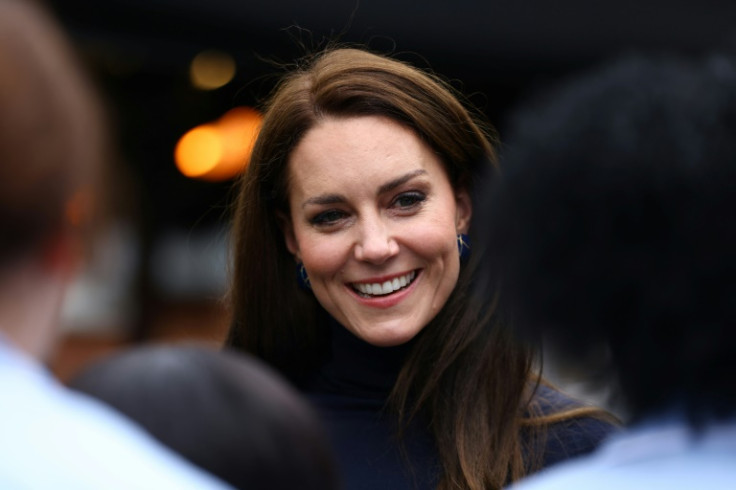
LONDON — Princess Catherine, the Princess of Wales, has drawn admiration for her approach to public appearances alongside Prince William, with some royal observers suggesting it offers lessons in partnership dynamics for other high-profile figures, including Meghan Markle, the Duchess of Sussex.
Recent commentary has highlighted perceived differences in how the two royal couples navigate joint engagements. While such comparisons are common in media coverage of the British monarchy, they underscore ongoing public fascination with the roles and interactions within the royal family.
A public relations expert offered pointed advice to Markle, pointing to Catherine's demeanor during tours and events with William as an effective model. The comments come as the Duke and Duchess of Sussex, based in Montecito, California, adjust travel plans to the United Kingdom due to security considerations.
Renae Smith, a PR expert, told the Daily Express: "If I were advising her [Meghan Markle], my advice would be very simple: take the Princess of Wales approach for this trip." Smith added, "Show up, support your husband, be warm, gracious and present, but don't try to own the narrative. Don't give speeches unless absolutely necessary. Don't create separate moments. Don't make yourself the headline."
The remarks reflect broader discussions about visibility, support and narrative control in public life, particularly for spouses of prominent figures. Catherine has often been noted for allowing William to take center stage at key moments while maintaining her own composed presence, a style that resonates with traditional expectations of royal duties.
Observers have contrasted this with joint appearances by Prince Harry and Markle, where some perceive moments of overlapping spotlight or differing approaches to engagement. Royal watchers have pointed to instances where Markle's advocacy and public speaking have shaped the couple's image since stepping back from senior royal roles in 2020.
The Sussexes' decision to relocate to the United States marked a significant shift, leading to new ventures in media, philanthropy and public commentary. Their children, Prince Archie and Princess Lilibet, have remained largely out of the public eye, with the family prioritizing privacy amid heightened security concerns that have influenced travel arrangements.
Catherine, who has navigated her own health challenges in recent years while resuming public duties, continues to embody a more conventional royal role. Her focus on family, early childhood initiatives and measured public appearances has earned consistent praise from royal commentators.
The Princess of Wales' approach during joint tours with William emphasizes partnership without overshadowing, according to analysts. This has become a point of reference in discussions about effective public presentation for modern royal and celebrity couples.
Public interest in these dynamics persists, fueled by contrasting lifestyles: the Waleses deeply embedded in British institutional life, and the Sussexes forging independent paths across the Atlantic. Media coverage often amplifies moments from both couples' appearances, inviting scrutiny and interpretation.
Experts note that different contexts demand tailored strategies. Catherine operates within longstanding royal protocols that prioritize duty and discretion. Markle, operating in a more open media and entertainment landscape, has embraced direct communication through interviews, social media and projects like her Netflix and Spotify initiatives.
Smith's advice highlights the value of adaptability. In suggesting Catherine's method for a potential U.K. trip, the PR expert underscores themes of support, graciousness and restraint in narrative control — principles that can apply across varied public roles.
The British royal family has faced evolving challenges in managing public perception in the digital age. Social media amplifies both positive engagements and perceived missteps, intensifying debates around authenticity, tradition and modernity.
Catherine's recovery and return to duties have been closely followed, with her presence at events symbolizing continuity and resilience. Her collaborative yet supportive dynamic with William is frequently cited as a strength of their partnership.
For the Sussexes, recent years have involved balancing advocacy on issues like mental health and media reform with family life and professional endeavors. Harry's ongoing connections to U.K. causes, including Invictus Games work, occasionally draw the couple back into British headlines.
Security concerns have been a persistent factor for the Sussexes since their departure from royal duties. Adjustments to travel plans reflect the complexities of balancing public interest, personal safety and family considerations.
Royal experts and PR professionals often analyze these family dynamics through the lens of brand management and audience engagement. Smith's commentary fits into a tradition of offering unsolicited guidance to public figures navigating complex roles.
The Waleses and Sussexes represent different chapters in the modern monarchy's story. William and Catherine prepare for future leadership as Prince and Princess of Wales, while Harry and Meghan chart independent courses that still intersect with royal narratives.
Public fascination with royal "best wife" or supportive spouse tropes draws from longstanding cultural interests in monarchy, marriage and power dynamics. Such framings, while subjective, fuel continuous commentary across tabloids, social platforms and expert analyses.
Catherine's style — attentive, composed and collaborative — has contributed to her favorable standing in opinion polls and media assessments over time. Supporters highlight her dedication to public service and family.
Markle has cultivated a distinct profile emphasizing empowerment, entrepreneurship and personal narrative. Her approach has garnered both strong support and criticism, reflecting polarized views on her place within and beyond the royal sphere.
As the royal family adapts to contemporary expectations, the interplay between tradition and innovation remains a central theme. Advice like Smith's illustrates how different models of partnership are evaluated against public and institutional standards.
The Sussexes' adjusted U.K. travel plans underscore practical realities shaping their public engagements. Security and logistical considerations often influence the timing and nature of such visits.
Broader conversations around gender roles, visibility and support in high-profile marriages extend beyond royalty into politics, business and entertainment. Catherine's example, as cited, represents one successful navigation of these expectations.
Royal coverage frequently evolves with new events, health updates and family milestones. The current focus on comparative styles adds to a rich tapestry of analysis surrounding the institution.
For observers, these discussions reveal as much about societal values and media priorities as about the individuals involved. The emphasis on supportive partnership resonates with traditional narratives while modern figures adapt them to contemporary contexts.
As both couples continue their respective paths, public interest is likely to persist. The Waleses' adherence to core royal duties and the Sussexes' independent initiatives offer contrasting case studies in 21st-century public life.
The Princess of Wales' approach, praised for enabling her husband to shine while fulfilling her own responsibilities, serves as a reference point in ongoing royal discourse. Whether such models translate across contexts remains subject to individual circumstances and choices.
© Copyright 2026 IBTimes AU. All rights reserved.