David Allan Coe, Outlaw Country Legend Behind 'Perfect Country Song,' Dies at 86
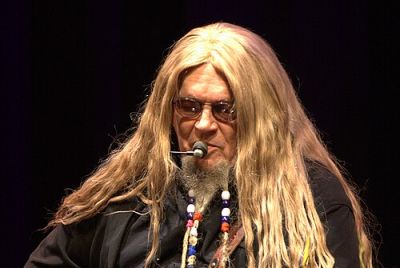
NASHVILLE — David Allan Coe, the hard-living outlaw country singer and songwriter whose irreverent anthem "You Never Even Called Me by My Name" was hailed as the "perfect country and western song," died on April 29, 2026, at the age of 86.

Coe passed away after a period of declining health, his family and representatives confirmed. Known for his gravelly voice, rebellious persona and unapologetic lyrics that often pushed the boundaries of mainstream country music, Coe carved out a distinctive place in the outlaw country movement alongside legends like Waylon Jennings, Willie Nelson and Johnny Cash.
Born September 6, 1939, in Akron, Ohio, Coe's early life was marked by hardship. He spent much of his youth in reform schools and prisons, experiences that later infused his music with raw authenticity and street credibility. After his release, he moved to Nashville in the late 1960s, where he busked on the streets and eventually signed with Columbia Records.
His 1975 album "Once Upon a Rhyme" featured the track that would define much of his career. Written by Steve Goodman, "You Never Even Called Me by My Name" included a spoken-word interlude in which Coe recounted Goodman's claim that the song was perfect — except it lacked references to mama, trains, trucks, prison or getting drunk. Coe added a final verse incorporating all those elements, turning the song into a humorous meta-commentary on country music clichés. It became a fan favorite and a staple of his live performances.
Coe's catalog blended traditional country with blues, rock and outlaw attitude. Hits such as "Longhaired Redneck," "Take This Job and Shove It" (popularized by Johnny Paycheck) and "The Ride" showcased his storytelling prowess and defiant spirit. He was equally known for controversial songs and a larger-than-life persona that included motorcycle culture, tattoos and a refusal to conform to Nashville's polished image.
Throughout his six-decade career, Coe released dozens of albums and maintained a dedicated fan base that appreciated his authenticity. He collaborated with many of country music's biggest names and influenced generations of artists who embraced the outlaw ethos. His music often explored themes of rebellion, heartbreak, prison life and personal redemption drawn from his own tumultuous journey.
In later years, Coe continued performing and recording despite health challenges. He remained active into his 80s, though appearances became less frequent. His influence extended beyond music into popular culture, with his songs appearing in films, television shows and covered by numerous artists across genres.
Tributes poured in from across the music world following news of his passing. Willie Nelson posted a simple message of respect, while younger country artists credited Coe with inspiring their own paths outside mainstream conventions. Fans shared memories of raucous live shows and the emotional impact of his songs.
Coe's life was not without controversy. His outspoken views, legal troubles and provocative lyrics occasionally drew criticism. Yet he maintained a loyal following that celebrated his unfiltered approach to life and art. He is survived by his wife Kimberly and several children.
The outlaw country movement that Coe helped define in the 1970s represented a rebellion against the slick production values of mainstream Nashville. Artists like Coe, Jennings and Nelson prioritized creative freedom and authenticity, influencing everything from alt-country to modern Americana. Coe's contribution to that legacy was singular — a voice that refused to be polished or silenced.
As news of his death spread, streaming platforms saw a surge in plays of his catalog. "You Never Even Called Me by My Name" trended on social media, with fans sharing favorite lyrics and concert memories. The song's playful self-awareness and perfect execution of country tropes made it a fitting epitaph for a career defined by both humor and hard truths.
David Allan Coe's story was one of redemption, resilience and relentless individuality. From Ohio reform schools to the Grand Ole Opry stage, he lived life on his own terms and left an indelible mark on American music. While the industry has evolved, his influence on the spirit of outlaw country remains as strong as ever.
Funeral arrangements have not yet been announced. In lieu of flowers, the family has requested donations to organizations supporting musicians and artists in need.
The passing of David Allan Coe closes a chapter in country music history, but his songs and the rebellious spirit they embodied will continue to resonate with fans old and new. In the words of his most famous track, the perfect country and western song may have ended, but its legend lives on.
© Copyright 2026 IBTimes AU. All rights reserved.
- Recommended For You