Australia's First Match Since World Cup Ends in Dramatic 1-1 Draw With Brazil, Not the Win Fans Wanted
Australia led until stoppage time in Townsville before Brazilian substitute Rayan headed an equaliser to preserve Brazil's unbeaten record in the fixture.

TOWNSVILLE, Australia — The Socceroos played their first match since the 2026 FIFA World Cup on Friday, and for long stretches at Queensland Country Bank Stadium, it looked as though Australia might produce one of the most memorable results in the program's history, before Brazil salvaged a stoppage-time equalizer to leave the international friendly level at 1-1.
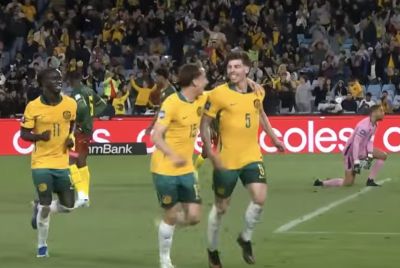
Nestory Irankunda's stunning free kick in the 68th minute had Australian supporters dreaming of a famous victory over one of world football's most storied national teams, only for Brazilian substitute Rayan to head home a last-minute equalizer that ensured the spoils were shared between the two sides. The result marked Australia's return to competitive international action following the conclusion of the World Cup earlier this year, giving fans their first look at the Socceroos since the tournament wrapped.
Irankunda's goal itself has drawn widespread praise since the final whistle, with the strike, curled from roughly 20 yards over the defensive wall and into the top corner past Brazilian goalkeeper Hugo Souza, standing as just the second goal Australia has ever scored against Brazil across the two nations' history of matches. That rarity underscored both the difficulty of the achievement and the scale of what Australia came close to accomplishing on home soil in Townsville, before Rayan's header in the closing moments denied the Socceroos what would have been an even more historic outcome.
Friday's friendly carried added significance as Australia's first match of the new international cycle following the World Cup, giving fans and analysts an early opportunity to assess the state of the Socceroos program heading into the next stage of its development. The match took place as part of a broader slate of international football fixtures played during the same window, with UEFA Nations League matches also being contested across Europe, including results in groups featuring the Netherlands, Germany, Portugal, Wales, Kosovo, Ireland, Norway, Denmark, Austria and Israel.
The broader football news cycle surrounding Friday's match extended well beyond the result itself. In Norway, Erling Haaland continued his prolific scoring form in a win over Denmark, extending a run of form that has drawn continued global attention. Elsewhere, Barcelona denied reported interest in teenage Manchester United prospect JJ Gabriel, a story that has drawn significant coverage in recent days following reports that Gabriel had asked to leave United's academy. In Israel, a forward was shown a red card for his goal celebration during a separate international match, while Argentina's Lionel Scaloni addressed the timing of Lionel Messi's approaching farewell from the national team, and former Germany manager Jürgen Klopp said Kai Havertz and Jamal Musiala were "probably out" pending further medical scans, ahead of Germany's own Nations League fixture against the Netherlands, which finished level at 1-1.
For Australia specifically, Friday's result offered a mixed but broadly encouraging signal about where the program stands as it enters this next phase. Producing a goal of the quality Irankunda scored against a Brazilian side that included Vinicius Junior, Endrick, Raphinha and Bruno Guimarães, and holding that lead deep into stoppage time, pointed to genuine progress and quality within the current Socceroos squad under manager Tony Popovic, even as the manner of conceding the equalizer so late in the match will likely prompt some reflection on how the team manages narrow leads against elite opposition in the closing stages of matches.
ESPN's live coverage of the match, tracked in real time by fans and reporters throughout the evening, captured the shifting emotions of the contest, from the excitement generated by Irankunda's opener through to the disappointment of conceding in the fifth minute of second-half stoppage time. Fan reaction polls following the match reflected a split verdict on how to interpret the result, with some focusing on the achievement of matching one of the sport's traditional powers on the scoreboard for so long, and others lamenting the missed opportunity for an outright victory that had appeared within reach for much of the second half.
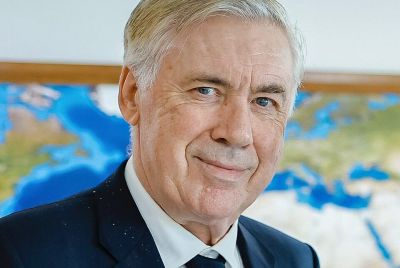
Brazil, managed by Carlo Ancelotti, used the match as part of its own broader squad assessment during the international break, rotating personnel throughout the second half as the Brazilian coaching staff continued evaluating options across multiple positions. The draw extended Brazil's unbeaten record in the fixture against Australia, even as the manner of the result, requiring a stoppage-time goal to avoid defeat, offered a reminder that Australia's rising generation of players is capable of testing even the most decorated national teams on their day.
With the Socceroos now having opened their post-World Cup cycle with a performance that produced both a moment of genuine history in Irankunda's goal and a familiar pattern of narrowly missing out on victory against top-tier opposition, attention will now turn to how Popovic's side builds on Friday's result as it continues preparing for its next set of international fixtures in the months ahead.
© Copyright 2026 IBTimes AU. All rights reserved.
- Recommended For You