Arginine Supplement Could Boost Immunity Against Cancer and Viruses by Restoring Key Cell Warning Protein
New research highlights the potential of arginine in enhancing immune detection of cancer and viral infections.
A common amino acid found in protein-rich foods and produced naturally by the body may help the immune system better detect cancer cells and fight viral infections, according to new research from Rockefeller University.
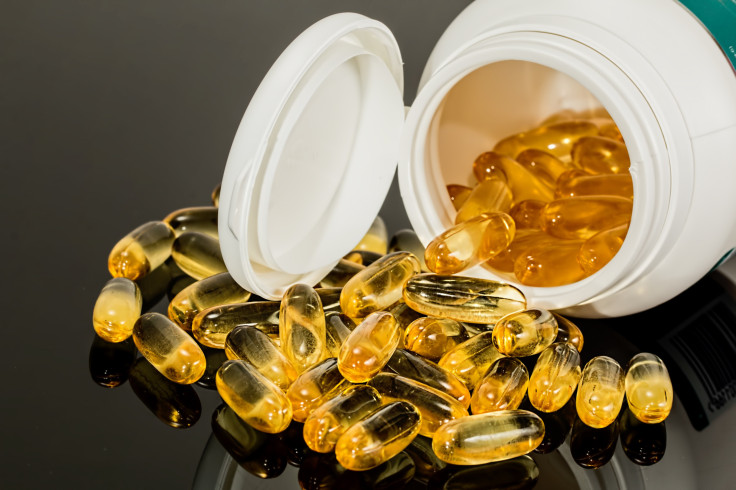
Scientists reported that low levels of arginine impair production of MHC-1, a critical protein that displays abnormal or foreign proteins on cell surfaces so that T cells can recognize threats. Restoring arginine levels, even in moderate amounts comparable to a couple of over-the-counter tablets, appeared to revive expression of the genes needed to make MHC-1.
The findings, published in the journal Cell, stem from work led by Sohail Tavazoie in the Elizabeth and Vincent Meyer Laboratory of Systems Cancer Biology. First author Qiushuang Wu, a postdoctoral researcher in the lab, examined how shifts in amino acid availability affect gene expression.
"Our work reveals how a lack of arginine interferes with the immune system, and suggests that upping arginine intake could prove beneficial," Wu said. "Perhaps that means it could be used in combination with other therapies to treat both cancer and viral infections."
Arginine supports protein synthesis and other essential cellular functions. Six different codons encode the amino acid, underscoring its importance. Prior research from the same laboratory showed that depriving colon cancer cells of arginine led them to accumulate more mutations. The new study extends that work by linking arginine scarcity to weakened immune surveillance.
Wu analyzed disease models of colon cancer, influenza and SARS-CoV-2. Across these conditions, arginine emerged as the most depleted amino acid. In cell culture experiments, declining arginine levels reduced the abundance of 414 proteins. Most were connected to known arginine-related pathways, but three HLA genes responsible for MHC-1 production stood out as unexpectedly affected.
MHC-1 proteins act as cellular warning signals. They present fragments of mutated or viral proteins to the immune system. Without sufficient arginine, ribosomes stall while assembling MHC-1 because the protein contains many sites that require the amino acid. As a result, fewer warning signals appear on cell surfaces, allowing potentially dangerous cells to evade detection more readily.
Tavazoie described the broader implication. "These findings are exciting because they reveal that consumption of a specific amino acid can directly regulate gene expression in an organism by increasing production of a protein enriched in that amino acid," he said. "We believe that such selective translational tuning of gene expression through dietary manipulation likely extends to many other proteins and amino acids."
Dietary experiments in mice reinforced the laboratory observations. Animals given a low-arginine diet developed more colon tumors. Those receiving higher amounts of arginine developed fewer tumors. Parallel studies with influenza and SARS-CoV-2 models, conducted in collaboration with researchers in Charles Rice's Laboratory of Virology and Infectious Disease, produced similar patterns.
Mice on arginine-rich diets experienced milder symptoms from the viral infections. Providing arginine after influenza infection also improved outcomes. "Not only did mice with an arginine-rich diet have milder symptoms from viral infections, giving the mice arginine after influenza infection improved their outcomes too," Wu said. "That was very surprising. From our genetic models, we knew manipulating arginine levels had a strong effect on gene expression, but we didn't expect the dietary manipulation to be equally impactful."
The results may help explain connections between poor nutrition, aging and increased vulnerability to certain cancers and respiratory viruses. Arginine levels naturally decline with age, potentially diminishing the immune system's ability to recognize abnormal or infected cells.
"Qiushuang's findings illuminate how poor diet and aging — during which arginine levels naturally decline — could create the perfect storm for the initiation of colon cancer," Tavazoie said. "Similarly, age-related arginine loss could partially contribute to the greater mortality caused by respiratory viruses."
Because arginine is inexpensive and widely available, the researchers see potential for relatively rapid clinical exploration. Tavazoie noted that supplementation could be tested in patients already receiving immunotherapies or provided to high-risk groups facing viral exposure. "Considering that arginine is inexpensive and readily available, we hope that therapeutic and preventative studies could be undertaken soon," he said.
The study does not claim that arginine alone constitutes a cure or complete preventive measure. Rather, it identifies a specific mechanism by which amino acid availability influences immune recognition and demonstrates that dietary or supplemental restoration can reverse some of the impairment in preclinical models. The work builds on years of investigation into metabolic influences on cancer biology and immune function.
Further research is examining whether adjusting levels of other amino acids produces beneficial effects in additional disease settings. The laboratory continues to explore how nutritional factors interact with genetic and immunological pathways.
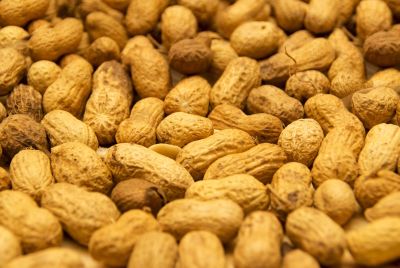
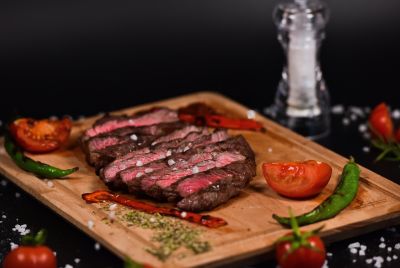
Arginine occurs naturally in many protein sources, including meat, dairy, nuts and seeds, and the body synthesizes it as well. Over-the-counter supplements are already on the market for various uses. The new findings suggest a more targeted immunological rationale for considering arginine status in the context of cancer risk, viral susceptibility and aging.
The research received support in part from the Stavros Niarchos Foundation Institute for Global Infectious Disease Research at Rockefeller University and the Weill Cancer East Hub. By linking a simple nutrient to the production of a key immune signaling protein, the study opens a practical avenue for investigating whether modest nutritional interventions can enhance the body's ability to identify and respond to internal and external threats.
© Copyright 2026 IBTimes AU. All rights reserved.
- Recommended For You