10 Brain-Healthy Foods That Research Links to a Lower Risk of Dementia, According to Nutrition Experts
Explore the MIND diet's unique approach to supporting brain health and reducing Alzheimer's risk.
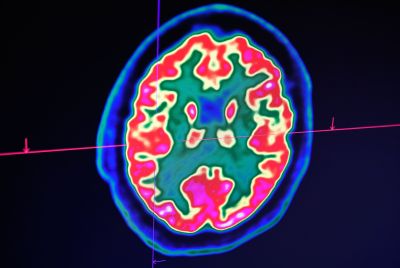
Researchers studying diet and brain health have increasingly converged on a specific eating pattern known as the MIND diet, an approach developed by Rush University Medical Center and Harvard's T.H. Chan School of Public Health that combines elements of the Mediterranean and DASH diets specifically to target brain function and slow cognitive decline. A landmark study from Rush University found that people who most closely followed the eating pattern reduced their risk of Alzheimer's disease by 53%, while even moderate adherence was associated with a 35% reduction, according to research on the diet.
Sandra Darling, a preventive medicine physician at Cleveland Clinic, said the diet's foundation in clinical research is what sets it apart from many other popular eating trends. "The MIND diet is one that I focus on because it has been shown in research studies to lower the risk of Alzheimer's disease," Darling said.
The diet centers on 10 food groups researchers have identified as offering the strongest evidence for supporting brain health, generally by helping reduce inflammation and oxidative stress, both of which are closely linked to cognitive decline. Here are 10 of those foods.
1. Leafy green vegetables. Spinach, kale, collard greens, Swiss chard, arugula and romaine lettuce top the MIND diet's recommendations, with researchers generally suggesting at least six servings per week. These vegetables deliver folate, vitamin K, lutein and beta-carotene, nutrients linked to slower cognitive decline in multiple studies.
2. Berries. Among all fruits studied, berries carry the strongest evidence specifically tied to brain health benefits, which is why the MIND diet emphasizes berries specifically rather than fruit consumption more broadly. Blueberries in particular have drawn significant research attention for their concentration of protective plant compounds called flavonoids.
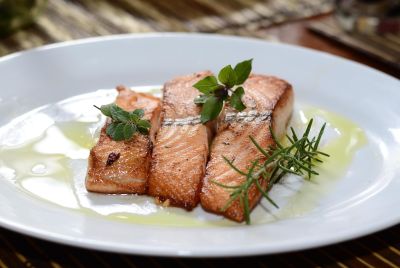
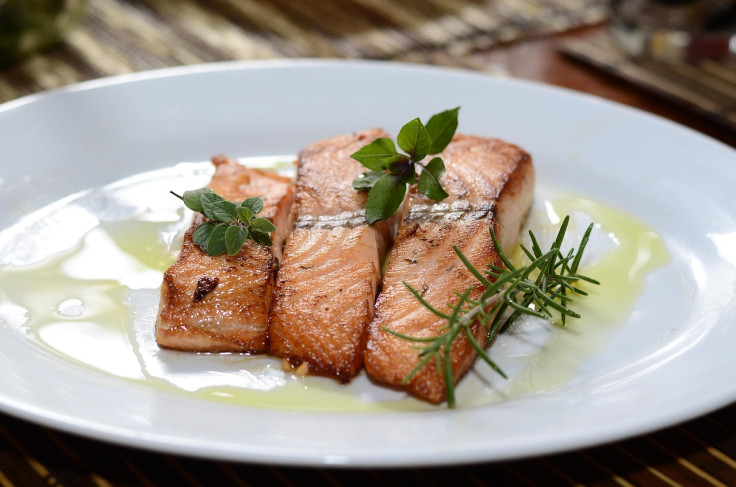
3. Fatty fish. Salmon, tuna and mackerel contain some of the highest levels of omega-3 fatty acids found in food, including a specific form called docosahexaenoic acid, or DHA, which researchers believe may be especially protective for brain health. A 2023 systematic review found that higher dietary intake of omega-3 fatty acids was linked to a lower risk of dementia and cognitive decline, with DHA showing some of the strongest protective associations.
4. Nuts. Walnuts, along with seeds such as ground flax, chia and pumpkin seeds, are recommended at least five times per week under the MIND diet's guidelines. These foods provide healthy fats, fiber and vitamin E, a nutrient researchers have studied for its potential antioxidant effects on brain tissue.
5. Beans and legumes. Beans, lentils and other legumes provide plant-based protein and fiber while offering an alternative to red meat, which the MIND diet recommends limiting. These foods also contribute folate and other B vitamins associated with cognitive function.
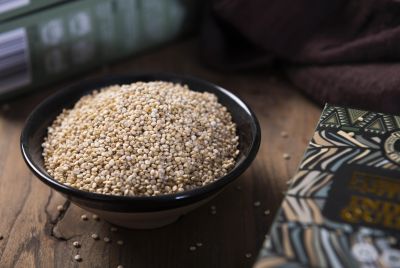
6. Whole grains. Foods such as oats, brown rice and whole-wheat products supply fiber and steady energy while avoiding the blood sugar spikes associated with refined carbohydrates, which some nutrition experts have linked to increased dementia risk through their effects on insulin regulation and inflammation.
7. Olive oil. As the diet's primary recommended source of added fat, olive oil replaces butter and other saturated fats in the MIND diet's framework. Olive oil is rich in monounsaturated fats and polyphenols, compounds researchers believe may help protect brain cells from oxidative damage over time.
8. Poultry. The MIND diet favors lean poultry over red meat as a primary protein source, generally recommending consumption at least twice a week. This substitution reflects broader dietary research linking excessive red meat consumption to increased inflammation and potentially higher dementia risk.
9. Wine, in moderation. Some versions of the MIND diet include an optional, moderate allowance for wine, generally limited to one glass per day, reflecting research on polyphenols found in red wine specifically. Nutrition experts emphasize that this component remains optional and is not a recommendation to begin drinking alcohol for health purposes.
10. Vegetables more broadly. Beyond leafy greens specifically, the MIND diet recommends at least one additional serving of non-leafy vegetables daily, providing a broader range of vitamins, minerals and antioxidant compounds that contribute to overall dietary quality and brain health.
Beyond identifying beneficial foods, the MIND diet also specifies five categories nutrition experts recommend limiting: red meat, butter and stick margarine, cheese, pastries and sweets, and fried or fast food. Lauren Ptomey, a registered dietitian and associate professor at the University of Kansas Medical Center, said the foods emphasized by the diet provide brain-boosting omega-3 and omega-6 fatty acids alongside broader anti-inflammatory benefits.
A 2026 study published in the Journal of Neurology, Neurosurgery & Psychiatry, examining more than 1,600 participants in the long-running Framingham Heart Study, found that higher adherence to the MIND diet was associated with slower structural brain aging over a 12-year period, adding to the growing body of longitudinal evidence supporting the eating pattern's potential neuroprotective effects.
Registered dietitian Lauren Harris-Pincus, who was not involved in research presented at the 2025 annual meeting of the American Society for Nutrition, described the diet's distinct focus within the broader landscape of nutrition science. "The MIND diet is unique as the first eating plan focused on foods to specifically improve and support cognitive health," Harris-Pincus told Fox News Digital.
Nutrition experts caution that no diet can guarantee prevention of dementia or Alzheimer's disease, and that following the MIND diet represents one modifiable factor among many that influence long-term brain health, including genetics, physical activity, sleep quality and cardiovascular health. Because dementia risk and nutritional needs vary significantly by individual, particularly for people with existing health conditions or a family history of Alzheimer's disease, medical experts generally recommend that people consult a doctor or registered dietitian before making significant dietary changes intended to address cognitive health concerns, rather than relying solely on general nutrition guidance.
© Copyright 2026 IBTimes AU. All rights reserved.
- Recommended For You