10 Heart-Healthy Foods Backed by Science and Guidelines
Heart disease remains the leading cause of death in the United States, but simple dietary changes can significantly lower risk. Experts from the American Heart Association and recent 2025-2030 Dietary Guidelines for Americans emphasize eating patterns rich in fruits, vegetables, whole grains, legumes, nuts, seeds and fish while limiting added sugars, sodium and ultra-processed foods.
Incorporating specific nutrient-dense foods can help manage cholesterol, blood pressure, inflammation and body weight — key factors in cardiovascular health. Here are 10 foods supported by scientific evidence and expert recommendations for promoting heart health.
1. Fatty Fish like Salmon, Mackerel and Sardines
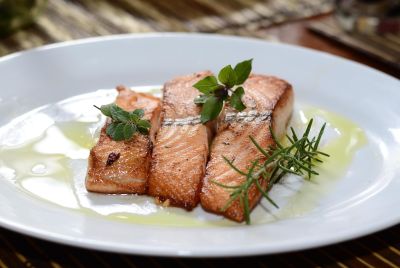
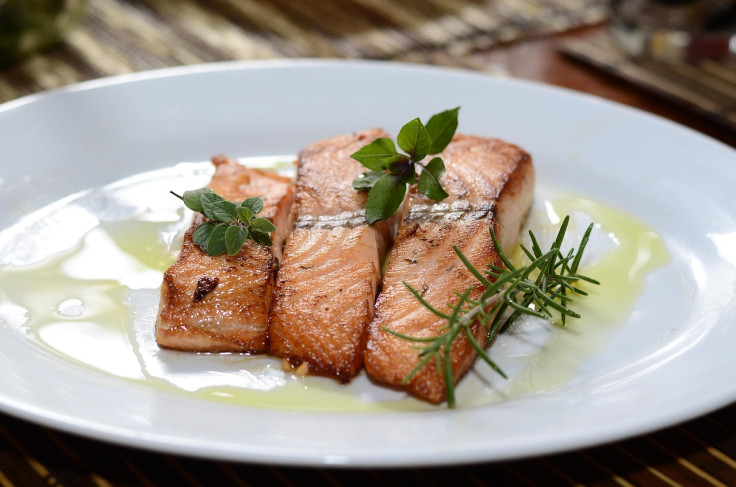
Fatty fish top many lists for heart protection thanks to omega-3 fatty acids. Consuming at least two servings per week can reduce inflammation, lower triglycerides and decrease the risk of sudden cardiac death. The American Heart Association recommends regular intake of fish and seafood as part of healthy protein sources.
A landmark review and ongoing research confirm that omega-3s from seafood improve cholesterol profiles and support overall cardiometabolic health. Choose grilled, baked or canned varieties in water to avoid added sodium or unhealthy fats.
2. Berries (Blueberries, Strawberries, Raspberries)
Berries burst with antioxidants, fiber and polyphenols that combat oxidative stress and inflammation. Recent studies, including a 2025 analysis from King's College London, highlight polyphenol-rich foods like berries for long-term heart benefits, including better vascular function.
Their soluble fiber helps lower LDL ("bad") cholesterol, while potassium aids blood pressure control. Fresh, frozen or dried berries all count. Add them to oatmeal, yogurt or salads for an easy boost.
3. Leafy Greens and Cruciferous Vegetables (Spinach, Kale, Brussels Sprouts)
Dark leafy greens and vegetables like Brussels sprouts provide nitrates, potassium, fiber and antioxidants that support healthy blood pressure and artery function. The 2025-2030 Dietary Guidelines stress eating plenty and a variety of vegetables daily, noting frozen and canned options retain benefits.
Soluble fiber in these veggies binds cholesterol in the digestive system, helping remove it from the body. Aim for 2½ cups of vegetables per day as part of an overall healthy pattern.
4. Oats and Whole Grains
Oats contain beta-glucan, a type of soluble fiber proven to reduce LDL cholesterol. Starting the day with oatmeal or choosing whole-grain products aligns with American Heart Association guidance to select foods made mostly with whole grains rather than refined ones.
Whole grains like barley, brown rice and quinoa also deliver fiber, B vitamins and minerals that support heart rhythm and weight management. The guidelines recommend at least half of grain intake as whole grains.
5. Legumes (Beans, Lentils, Chickpeas)
Beans and lentils offer plant-based protein, soluble fiber and potassium without the saturated fat found in many animal proteins. They consistently appear in heart-healthy patterns like Mediterranean and DASH diets, linked to lower cardiovascular risk.
Research shows legume consumption improves insulin sensitivity and helps regulate blood pressure. The 2025 guidelines highlight legumes as a top protein source to prioritize alongside nuts, seeds and fish.
6. Nuts (Especially Walnuts and Almonds)
A handful of nuts daily — about 1 ounce — provides unsaturated fats, fiber, vitamin E and plant sterols that improve artery health and lower heart disease risk by up to 30% in some studies. Walnuts stand out for their omega-3 content.
Nuts fit into the American Heart Association's recommendation for healthy sources of protein, mostly from plants. Choose unsalted varieties to keep sodium in check. They make a satisfying snack or topping for salads and yogurt.
7. Avocados
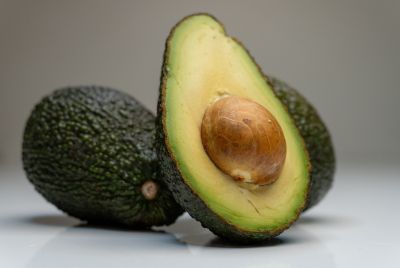
Avocados supply monounsaturated fats similar to olive oil, plus fiber and potassium. Higher avocado intake has been associated with lower risk of heart disease in large population studies. Half an avocado a few times weekly can positively influence cholesterol levels.
Use mashed avocado on whole-grain toast or in place of mayonnaise or butter in recipes. Their creamy texture makes them versatile while supporting a Mediterranean-style eating pattern shown to reduce major cardiovascular events.
8. Extra-Virgin Olive Oil
The cornerstone of the Mediterranean diet, extra-virgin olive oil delivers polyphenols and monounsaturated fats that raise HDL ("good") cholesterol and reduce inflammation. The PREDIMED trial demonstrated a roughly 30% lower risk of major heart events with higher olive oil intake.
Use it for cooking, dressings and dipping. The 2025-2030 guidelines and American Heart Association encourage liquid plant oils like olive oil over tropical oils or partially hydrogenated fats.
9. Dark Chocolate (70% Cocoa or Higher)
In moderation, dark chocolate provides flavonoids that improve blood flow and lower blood pressure. Some cardiologists include it among heart-healthy choices when choosing varieties low in added sugar.
Limit portions to 1 ounce daily to avoid excess calories. Opt for options with minimal processing to maximize benefits from cocoa polyphenols, which overlap with those studied in berries and tea.
10. Green Tea
Green tea contains catechins and other polyphenols linked to better heart health, including improved cholesterol and reduced arterial stiffness. It fits into broader findings on polyphenol-rich beverages supporting cardiovascular protection.
Enjoy unsweetened hot or iced. Both green and black tea appear beneficial, but green tea often edges out in antioxidant content. It serves as a healthy alternative to sugary drinks, which guidelines strongly advise minimizing.
Putting It All Together
These foods work best as part of an overall dietary pattern rather than in isolation. The American Heart Association's Life's Essential 8 and the 2021 dietary guidance for cardiovascular health stress a balanced approach: plenty of fruits and vegetables, whole grains, healthy proteins (emphasizing plants, fish and seafood), liquid plant oils, and minimal added sugars, salt and ultra-processed items.
The recently released 2025-2030 Dietary Guidelines reinforce these priorities while focusing on food quality and minimally processed choices. Experts note that most Americans still fall short on fiber, fruits and vegetables, making small, sustainable shifts particularly impactful.
Portion control and calorie balance matter for maintaining healthy weight, another key heart protector. Combine these foods creatively: a salmon salad with leafy greens, berries and olive oil dressing; oatmeal topped with nuts and berries; or bean-based chili with avocado.
Beyond Diet
While diet plays a central role, heart health also benefits from regular physical activity, not smoking, adequate sleep, stress management and controlling conditions like high blood pressure, cholesterol and diabetes. Consult a healthcare provider or registered dietitian before making major changes, especially with existing medical conditions.
No single food is a miracle cure, but consistent choices favoring these options can meaningfully reduce cardiovascular risk over time. As research continues to affirm the power of whole-food, plant-forward eating patterns, the message remains clear: what's on your plate matters for a healthier heart.
© Copyright 2026 IBTimes AU. All rights reserved.
- Recommended For You