10 Foods That Doctors and Registered Dietitians Recommend for People Living With Pancreatic Cancer Now
Explore dietary strategies and food recommendations to support pancreatic cancer patients through treatment.

Maintaining proper nutrition during pancreatic cancer treatment presents unique challenges that most other cancer diagnoses do not, according to oncology dietitians and medical centers that specialize in the disease. Because the pancreas plays a central role in digesting food and regulating blood sugar, cancer affecting the organ can directly interfere with a patient's ability to absorb nutrients, maintain weight and manage energy levels throughout treatment.
Medical experts emphasize that there is no single standardized diet that works for every pancreatic cancer patient. "There's no one-size-fits-all diet," Emma Veilleux, a registered dietitian nutritionist at the Simms/Mann-UCLA Center for Integrative Oncology, said, noting that foods that help one patient may worsen symptoms in another. Even so, several categories of food have emerged as consistent recommendations across major cancer centers and patient advocacy organizations. Here are 10 foods commonly recommended for people managing pancreatic cancer.
1. Lean poultry and fish. Protein-rich foods that are relatively easy to digest, such as chicken, turkey and fish, are widely recommended because they support the body's ability to repair damaged tissue and maintain immune function during treatment, according to guidance from Johns Hopkins Medicine. Lean proteins are generally easier on the digestive system than fattier cuts of meat.
2. Eggs. Eggs offer a highly digestible source of protein and are frequently recommended as an easy addition to meals throughout the day, particularly for patients who struggle with larger portions and benefit from smaller, protein-dense foods that can be prepared quickly.
3. Low-fat Greek yogurt. Yogurt provides protein along with probiotics that may support digestive health, though dietitians note that dairy tolerance varies significantly among patients. Some people develop temporary lactose intolerance during treatment and may need to limit or avoid dairy products depending on how their body responds.
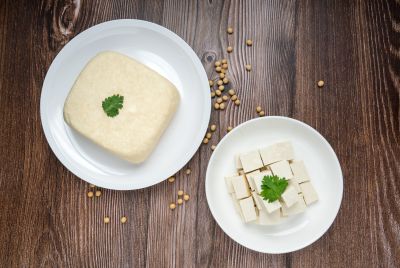
4. Beans and legumes. Plant-based protein sources such as beans, lentils and chickpeas provide protein, fiber and a range of micronutrients. Well-cooked legumes, including options like lentil soup, are frequently recommended because they tend to be gentler on digestion than some other high-fiber foods.
5. Nuts and nut butters. Almond, cashew and peanut butters offer concentrated calories, healthy fats and protein in small serving sizes, making them useful for patients who need to increase calorie intake but struggle to eat large meals. Nut butters spread on whole-grain crackers or toast are a commonly suggested snack option.
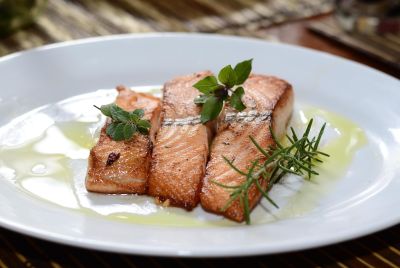
6. Fatty fish, including salmon. Fish such as salmon provide healthy unsaturated fats that supply energy and support cell function without the digestive difficulty that greasy or fried foods can cause. Baked or grilled preparations are typically recommended over fried versions.
7. Well-cooked vegetables. Colorful vegetables such as zucchini, carrots, spinach and sweet potatoes provide essential vitamins, minerals and fiber. Nutrition guides for pancreatic cancer patients generally recommend cooking or blending vegetables rather than eating them raw, since raw vegetables can be harder to digest for patients with compromised pancreatic function.
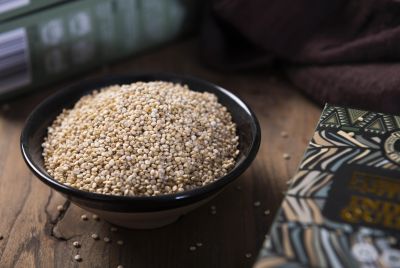
8. Whole grains, including oatmeal and quinoa. Complex carbohydrates such as oatmeal and quinoa provide steady energy and fiber, and are often recommended as a base for meals that also include protein and healthy fats, helping patients manage blood sugar levels more effectively than simple carbohydrates or refined sugars.
9. Soft fruits, including berries and bananas. Fruits that are easy to digest, such as mashed bananas and soft berries, provide vitamins, antioxidants and natural sweetness without the blood sugar spikes associated with added sugars. The World Cancer Research Fund International recommends at least five servings of non-starchy vegetables and fruits daily as part of broader cancer nutrition guidance, though individual tolerance should guide specific choices for pancreatic cancer patients.
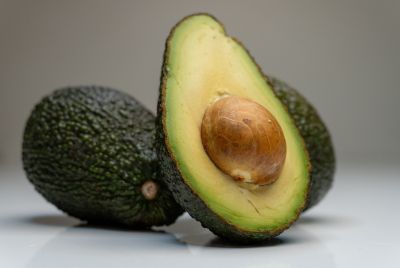
10. Healthy fats, including olive oil and avocado. Unsaturated fats support cell growth, provide concentrated energy and help protect organ function, according to Johns Hopkins Medicine guidance. These fats are generally easier to tolerate than the greasy, fried or heavily processed fats found in many convenience foods, which oncology dietitians frequently recommend limiting or avoiding.
Beyond specific food choices, dietitians who specialize in pancreatic cancer care emphasize several broader strategies. Many patients benefit from eating smaller, more frequent meals throughout the day rather than three large meals, particularly if appetite changes or early fullness make larger portions difficult to manage. Patients experiencing exocrine pancreatic insufficiency, a condition in which the pancreas no longer produces enough digestive enzymes, often require prescription pancreatic enzyme supplements taken with meals to properly digest fats and absorb nutrients, according to the Pancreatic Cancer Action Network.
Unintentional weight loss is a common and serious concern for pancreatic cancer patients, sometimes driven by the cancer itself rather than simply reduced appetite. Tumors can release compounds called cytokines into the bloodstream that suppress appetite and accelerate calorie burning, a condition known as cancer cachexia. Patients experiencing weight loss of more than one to two pounds per week are generally advised to consult their care team promptly, as early intervention with nutritional supplements, calorie-dense foods or changes to enzyme dosing can help address the problem before it becomes more severe.
Certain foods are commonly advised against for pancreatic cancer patients, including fried and greasy foods, processed and red meats, foods high in added sugar, and raw or undercooked items linked to foodborne illness risk, such as raw sushi, unpasteurized dairy and deli meats, given that cancer treatment can weaken immune function and increase vulnerability to infection.
Because nutritional needs vary so significantly from patient to patient, and can change throughout the course of treatment, medical organizations including the Pancreatic Cancer Action Network and Johns Hopkins Medicine consistently recommend that patients work directly with an oncology-trained registered dietitian who can develop an individualized nutrition plan based on symptoms, treatment side effects, blood sugar management needs and overall tolerance for specific foods, rather than relying solely on general dietary guidelines.
© Copyright 2026 IBTimes AU. All rights reserved.
- Recommended For You