(PHOTO) British Man Says Rare Liver Disease Turned His Skin Yellow Like The Simpsons Before Second Transplant
Kieran Cooper's Journey Through Biliary Atresia and Life-Saving Liver Transplants

A British man says he watched his skin turn a striking shade of yellow as a rare, life-threatening liver condition he was born with flared up earlier this year, ultimately requiring a second liver transplant to save his life.
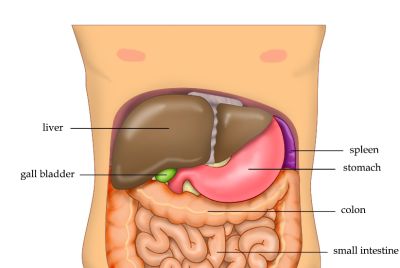
Kieran Cooper, 25, of Northwich in Cheshire, England, was diagnosed at birth with biliary atresia, a rare congenital condition in which the bile ducts that carry digestive fluid out of the liver fail to develop properly or become blocked, according to the British newspaper The Sun. Left untreated, the condition can cause severe jaundice and progressive liver damage.
Doctors attempted an early intervention when Cooper was just seven weeks old, but the procedure was not successful. He underwent his first liver transplant at 11 months old and went on to live a healthy life for more than a decade afterward.
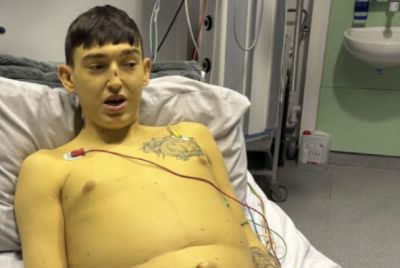
Complications began to emerge when Cooper was 13, in 2014, and by 2023 his condition had deteriorated to the point that he was placed back on the liver transplant waiting list. Earlier this year, while he was still waiting for a donor organ, his health took a sharp turn for the worse. His skin and eyes turned a vivid yellow, a hallmark sign of severe jaundice caused by the buildup of bilirubin when the liver and bile ducts stop functioning properly. He was rushed to the hospital as an emergency case.
Cooper described the toll the visible symptoms took on him during that period. "I looked like a character from The Simpsons," he said, according to The Sun, adding that he felt "very self-conscious" about people's stares whenever he walked down the street.
He spent five weeks receiving treatment in the hospital before undergoing his second liver transplant in late February. Following the operation, his skin color returned to normal, but the recovery process was far more difficult than his color returning would suggest. Cooper had to relearn how to walk as part of an arduous rehabilitation.
He now attends hospital checkups every six weeks and will need to take immunosuppressant medication for the rest of his life to prevent his body from rejecting the transplanted organ. Doctors say his health has been gradually improving since the surgery.
Reflecting on his recovery, Cooper said he felt fortunate simply to be alive. "I'm grateful to be recovering, and grateful to be alive," he said, according to the report.
Biliary atresia is considered a rare disease, affecting roughly 1 in every 10,000 to 20,000 live births globally, with rates varying somewhat by region. It remains the leading cause of liver transplantation in children worldwide. The condition is typically identified in infancy through persistent jaundice that does not resolve on its own, pale stools and dark urine, prompting pediatricians to screen for liver and bile duct abnormalities. Early diagnosis and a surgical procedure known as the Kasai procedure, in which surgeons attempt to restore bile flow from the liver, can in some cases delay or even prevent the need for a transplant, though many patients, like Cooper, ultimately require one regardless.
Cases in which the disease persists or recurs into adulthood, as it did for Cooper, are less commonly discussed publicly, and his account has drawn attention in part because of how visibly the illness manifested. Severe jaundice of the kind he experienced is a medical emergency, as it typically signals that the liver has lost much of its ability to process and clear bilirubin, a yellow-colored waste product formed during the normal breakdown of red blood cells.
Liver transplantation remains a major surgical undertaking with significant recovery demands, including physical rehabilitation and lifelong immunosuppressive therapy. Patients who receive transplants, particularly those who need a second procedure after complications with an earlier graft, often face a longer and more complicated road to recovery, as organ rejection risk and general surgical strain tend to compound with repeat operations.
Cooper's case underscores both the seriousness of biliary atresia as a chronic condition that can resurface years after an initial successful transplant, and the extent to which modern transplant medicine can restore patients to health even after severe, visibly disfiguring symptoms. His story, first reported by The Sun, has since been picked up by outlets internationally as an example of both the disease's severity and the resilience patients like Cooper have shown in recovering from it.
Medical experts note that anyone experiencing sudden yellowing of the skin or eyes should seek prompt medical attention, as jaundice can be a sign of a range of underlying liver or bile duct conditions, some of which, as in Cooper's case, may require urgent treatment to prevent life-threatening complications.
© Copyright 2026 IBTimes AU. All rights reserved.
- Recommended For You