

'Poop Pills' Show Early Promise For Treating Severe Peanut Allergy, Boston Researchers
Early Study Suggests Gut Bacteria Transplants May Help Adults with Severe Peanut Allergies
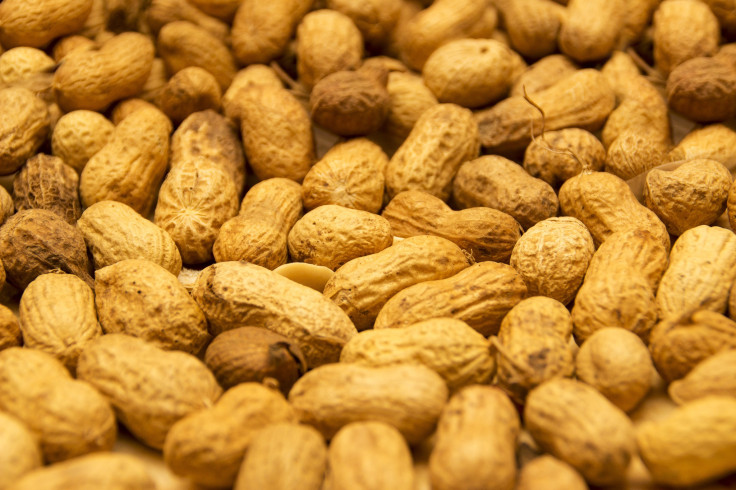
Researchers at Boston Children's Hospital have found that fecal microbiome transplantation, delivered orally through capsules sometimes referred to informally as "poop pills," increased peanut tolerance in some adults with severe peanut allergies, offering an early but notable signal for a potential new approach to treating one of the most dangerous common food allergies.
The research, published August 5 in the journal Science Translational Medicine, examined whether transplanting gut bacteria from healthy, non-allergic donors into people with peanut allergies could reduce the severity of their allergic response. The Phase 1 trial was led by Dr. Rima Rachid, director of the Food Allergy Program and the Allergen Immunotherapy Program at Boston Children's Hospital, alongside Dr. Talal Chatila, director of translational immunology at the hospital and a professor at Harvard Medical School.
Researchers enrolled 15 adults between the ages of 18 and 33, all with highly sensitive peanut allergies who reacted to 100 milligrams of peanut protein or less during an initial food challenge, an amount smaller than what is found in half of a typical peanut. Participants swallowed 36 frozen, odorless capsules containing carefully screened stool-derived microbes from healthy donors, consumed over the course of a few hours across one or two days.
The trial unfolded in two stages. In the first stage, 10 participants received the fecal transplant alone. Four months later, three of those 10 showed increased peanut tolerance, with two able to tolerate two to four peanuts before reacting and one able to tolerate more than four peanuts without any reaction. In the second stage, five additional participants took antibiotics before receiving the transplant, intended to clear space in the gut for the donated microbes to take hold more effectively. Three of those five participants showed increased tolerance, bringing the overall total to six of 15 participants, or 40%, who responded to the treatment.
Rachid described the significance of the findings in a statement. "This landmark study was the first to demonstrate that a microbiome-based therapy may improve food allergy in people," Rachid said, noting that the research also revealed how gut bacteria, their metabolites and the immune system interact to influence how well individual patients respond to the treatment.
Among participants who experienced increased tolerance, researchers found elevated levels of immune cells called RORγt+ regulatory T cells, which help regulate immune system activity. When researchers subsequently transplanted stool samples from those responsive participants into mice, the mice were similarly protected against peanut allergic reactions, reinforcing the connection between the transplanted bacteria and the observed protective effect.
The protective effect was linked to increased bile acid metabolites in both the human participants and the mice studied. When researchers removed bile salt hydrolase, an enzyme involved in bile acid metabolism, from Bacteroides bacteria in mice, the increased peanut tolerance disappeared, suggesting that enzyme plays a specific role in the mechanism, though that particular portion of the research was conducted only in mice and not confirmed in humans.
Chatila said the underlying mechanism observed in the mouse studies suggests the approach could extend beyond peanut allergies specifically. Because the mouse experiments tested a different allergen than peanut, "the faecal transplant treatment is likely to work for more than just peanut allergies," Chatila said, pointing to potential broader applications for other food allergies down the line.
Researchers emphasized that safety was the trial's primary focus, given its early Phase 1 design. Rachid told Healthline that none of the participants experienced serious adverse events during the trial, and that the encouraging tolerance data emerged as a secondary finding building on earlier promising results observed in mouse studies.
Outside experts urged caution about over-interpreting the results given the trial's small size. Dr. Mohammad Bakhtiar, a general practitioner and clinical lead at Medical Express Clinic who was not involved in the research, said the underlying biological premise makes sense given the gut microbiome's broad influence on the body. "The gut microbiome already has a major effect on many parts of human physiology," Bakhtiar told Healthline, while cautioning that a 15-person, open-label study cannot demonstrate how the treatment would perform across a broader population, given that nine of the 15 participants did not respond to the treatment.
Current treatments for peanut allergy include oral immunotherapy and biologic medications, and many patients still need to carry an epinephrine auto-injector in case of a severe reaction or anaphylaxis. Researchers stressed that fecal microbiome transplantation is not yet ready to be recommended as an allergy treatment based on these preliminary findings alone.
Looking ahead, Rachid said the research team hopes to test a more purified version of the treatment, called microbiota transplantation therapy, which contains less than 1% nonmicrobial fecal material and can be stored in a standard home refrigerator. She said future studies would examine whether prolonged administration allows patients to tolerate higher peanut doses with more durable effects, and said that with adequate research funding, clinical applications could potentially emerge within 10 to 15 years if the approach continues to prove effective in larger trials. Bakhtiar agreed that a roughly decade-long timeline was plausible if larger follow-up studies confirm the initial results, though he said patients should continue following current medical guidance, including strict peanut avoidance and specialist allergy care, in the meantime.
© Copyright 2026 IBTimes AU. All rights reserved.