Sleeping With Even Dim Light On May Thicken Heart Muscle, Raise Disease Risk, Researchers Say In New Study
UK Biobank data suggest brighter bedrooms may be associated with heart muscle thickening and reduced function, although researchers say more work is needed to establish causality.
NEW ORLEANS — Even a small amount of light exposure during sleep may alter the shape and function of heart muscle over time, increasing the risk of future cardiovascular disease, according to a new study published Wednesday in the European Heart Journal.
Researchers analyzed sleep data from more than 11,000 people without existing cardiovascular disease who were part of the UK Biobank study, a large biomedical database containing genetic and health information from 500,000 residents of the United Kingdom. Participants wore a wrist sensor for seven days to measure nighttime light exposure, and three years later underwent a cardiovascular MRI to examine their heart's structure and function.
Dr. Lu Qi, the study's senior author and director of the Tulane University Obesity Research Center in New Orleans, described light pollution as an emerging threat to cardiovascular health.
"Light pollution has emerged as a new risk factor for cardiovascular disease," Qi said in a statement, adding that reducing nighttime light exposure should be considered by both clinicians and policymakers as a potential strategy for preventing heart disease going forward.
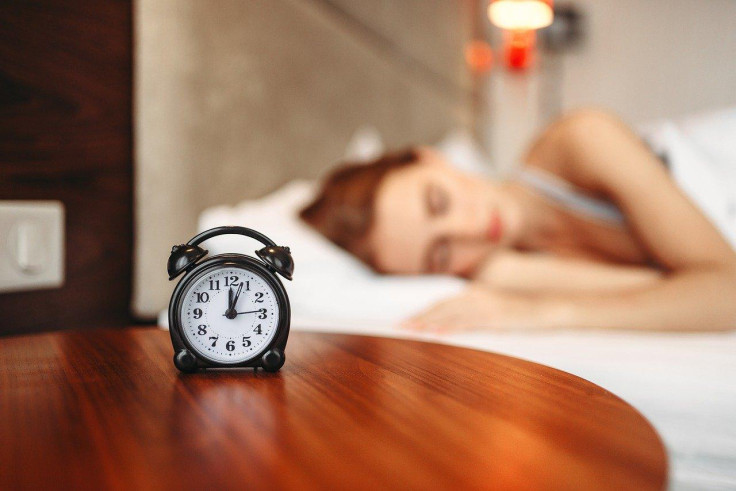
For quality sleep, experts generally recommend keeping a bedroom at no more than about 1 lux, a standardized unit of illumination. By comparison, roughly 3 lux is equivalent to moonlight or the faint light that bleeds under a closed bedroom door. The study found that people exposed to more than 3 lux of light while sleeping showed thickened walls in the heart's left ventricle chamber, reducing the space available inside that chamber, along with a measurable reduction in the heart muscle's ability to flex properly during each heartbeat, an early warning sign of broader heart dysfunction. Researchers also identified additional structural changes in two other heart chambers, with the extent of damage increasing as bedroom light levels grew brighter. Common sources of that extra nighttime light included a face-up smartphone screen, a glowing digital alarm clock, or general light pollution seeping in from outside.
Dr. Andrew Freeman, director of cardiovascular prevention and wellness at National Jewish Health in Denver, who was not involved in the study, explained the broader significance of the structural heart changes researchers identified, a process known medically as cardiac remodeling.
"We don't want the heart muscle to get thick," Freeman said, noting that similar undesirable changes tend to occur when the heart is repeatedly exposed to excess light and the poor-quality sleep that often accompanies it.
According to Qi, between 24% and 49% of the light exposure's overall impact on the heart could be attributed specifically to shortened sleep duration, defined in the study as less than five to six hours per night, which researchers described as a direct consequence of nighttime light exposure disrupting normal sleep patterns. The remaining share of the observed cardiovascular risk may stem from other pathways connected to nighttime light exposure, including its effects on stress levels and broader biological changes such as blood pressure and heart rate fluctuations, according to Qi.
Not all outside experts were fully convinced the study establishes a definitive causal relationship. Karl Lawrence, a lecturer at the Institute of Pharmaceutical Science at King's College London, who also was not involved in the research, raised several methodological concerns regarding the study's design.
"Further studies would be needed to demonstrate causality," Lawrence said, noting that a single week of light exposure monitoring represents a relatively short window for capturing someone's overall nighttime light habits, and that measuring light through a wrist-worn sensor may not accurately reflect the actual dose of light reaching a person's eyes, potentially leading to either an overestimate or underestimate of true exposure.
Despite those limitations, sleep and cardiovascular health experts generally agree that blocking out nighttime light remains a relatively simple, low-cost intervention available to most people. Heavy drapes or inexpensive blackout curtains and shades placed over bedroom windows can significantly reduce outside light exposure, though experts recommend opening those coverings each morning to allow natural daylight in, which helps regulate the body's internal circadian rhythm.
For light that continues creeping in under doors or around window edges even with blackout coverings in place, experts suggest using light-blocking foam strips, often sold as draft stoppers or weatherproofing materials, or turning to a simple sleep mask if low light levels persist. Hallway lights should generally be turned off overnight, and any bedside reading lamps or night-lights should ideally use warm white, deep amber or red bulbs with low or near-zero effective color temperatures, positioned dim and close to floor level if a night-light is needed at all, since warmer, reddish or brownish tones are believed to be less disruptive to sleep quality than brighter, cooler-toned lighting.
The study adds to a growing body of research examining how environmental factors, including artificial light exposure, may influence long-term cardiovascular health outcomes, an area of increasing interest to public health researchers given the near-universal presence of artificial lighting, electronic devices and outdoor light pollution in most modern sleeping environments. With cardiovascular disease remaining a leading cause of death globally, researchers say identifying and addressing modifiable environmental risk factors, including something as straightforward as bedroom light exposure, could offer a relatively low-barrier avenue for reducing long-term heart disease risk across large populations, even as additional research continues working to more precisely establish the underlying mechanisms connecting nighttime light exposure to measurable changes in heart structure and function over time.
© Copyright 2026 IBTimes AU. All rights reserved.
- Recommended For You