

Ketogenic Diet Outperforms Other Plans for Reversing Prediabetes and Fatty Liver, New Study Finds
Washington University study highlights ketogenic diet's benefits over Mediterranean and high-carb diets for metabolic health
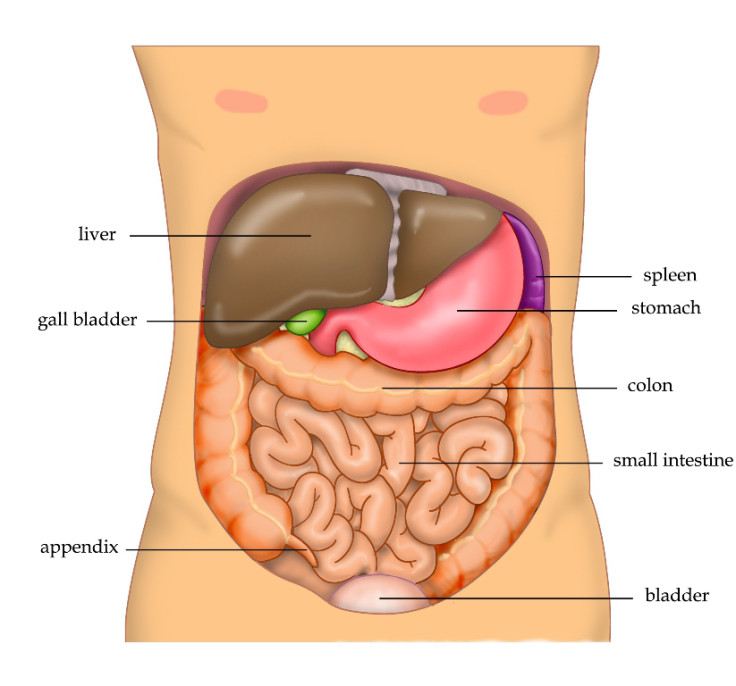
A new randomized clinical trial from Washington University School of Medicine in St. Louis has found that a ketogenic diet outperformed two other widely recommended eating plans at reversing prediabetes and reducing fat buildup in the liver, even when all three diets produced identical amounts of weight loss.
The study, published Aug. 27 in the journal Cell Metabolism, compared a low-carbohydrate, high-fat ketogenic diet against a high-carbohydrate, low-fat, plant-forward diet and a Mediterranean diet that balanced the two approaches. Researchers randomly assigned 55 adults with what they described as metabolically unhealthy obesity, meaning obesity accompanied by prediabetes and fatty liver disease, to follow one of the three diets for approximately five months. Participants received all of their food throughout the study and met weekly with a study dietitian to support adherence to their assigned plan.
Across all three diet groups, participants lost a comparable amount of weight, shedding roughly 10% of their starting body weight, and saw insulin sensitivity in their muscle cells improve by about 50% from baseline. According to the study's senior author, Dr. Samuel Klein, the Danforth Professor of Medicine and Nutritional Science at WashU Medicine, that consistency suggests weight loss itself, rather than the specific balance of fat and carbohydrates used to achieve it, was the key driver behind the improvement in muscle insulin sensitivity. "For patients with obesity, prediabetes and fatty liver disease, weight loss induced by a very low-carbohydrate diet provides additional therapeutic effects on glucose and lipid metabolism that should further help prevent the progression to more severe metabolic diseases than weight loss alone," Klein said. "But all three diets, despite vastly different macronutrient makeups, from very low carbohydrates to very high carbohydrates, successfully improved metabolic health through weight loss alone."
The results diverged sharply, however, when it came to liver health. The research team found that insulin sensitivity in liver cells, which governs how effectively the liver suppresses glucose production, improved two to three times more among participants on the ketogenic diet compared with those on the other two plans, even though all three groups showed some improvement. The ketogenic diet also reduced fat stored inside the liver by 67% after five months, compared with a 45% reduction on the other two diets.
Study first author Dr. Max C. Petersen, an assistant professor of medicine in WashU Medicine's John T. Milliken Department of Medicine, said the findings carry significant implications given how widespread fatty liver disease has become. "Fatty liver disease affects about 75% of adults with obesity worldwide and has become the fastest-growing cause of chronic liver disease and liver cirrhosis," Petersen said. "Our study shows that for people with obesity and fatty liver disease, a low-carbohydrate ketogenic diet could help reduce that statistic."
Blood sugar control also improved more substantially among participants following the ketogenic diet. Researchers measured a 20% reduction in 24-hour blood glucose levels from baseline among the low-carbohydrate group, compared with an 8% reduction among participants on the other two diets. Insulin levels throughout the day fell by 74% on the ketogenic diet, compared with declines of 44% on the Mediterranean diet and 27% on the high-carbohydrate diet, a pattern the researchers said reflects reduced demand on the pancreas to produce insulin when carbohydrate intake is sharply limited.
The difference in outcomes was most striking when it came to reversing prediabetes entirely. Half of the participants assigned to the low-carbohydrate ketogenic diet reversed their prediabetes by the end of the study, compared with 29% of those on the Mediterranean diet and just 7% of those on the high-carbohydrate, plant-forward diet.
Petersen noted that the findings remain relevant even as GLP-1 medications, a class of drugs that includes semaglutide and other treatments widely used for weight loss, have become an increasingly common tool for managing obesity and its associated health risks. "Many metabolically unhealthy patients also are candidates for GLP-1 medicines, which have been very useful tools for helping people lose weight," Petersen said. "But our results show that choice of diet remains important because it has an impact on specific health outcomes that go beyond weight loss alone."
Obesity affects roughly four in 10 Americans, according to the study, and frequently coexists with metabolic complications including insulin resistance, prediabetes and fatty liver buildup, conditions that can progress over time to Type 2 diabetes, chronic liver disease and cardiovascular events if left untreated. While weight loss has long been established as the most effective overall strategy for reducing these risks, researchers said it has remained unclear until now which specific dietary approach, in terms of its balance of protein, fat and carbohydrates, produces the greatest improvement in underlying metabolic health markers beyond weight loss alone.
The research team, which also included Dr. Gordon I. Smith, an associate professor of medicine at WashU Medicine, said future studies will examine the underlying biological mechanisms responsible for the metabolic benefits observed with weight loss, including how those mechanisms may interact with the growing use of GLP-1 medications in clinical practice. As with any nutrition research involving significant dietary changes, individuals considering major shifts to their eating patterns, particularly those managing existing health conditions, are generally advised to consult a physician or registered dietitian before beginning a new diet plan.
© Copyright 2026 IBTimes AU. All rights reserved.