

10 High-Protein, High-Fiber Foods Dietitians Say Can Help Curb Cravings and Support Gut Health Every Day
Explore how combining protein and fibre can enhance digestion, manage hunger, and support long-term health.
Nutrition experts continue to point to a specific combination of nutrients as one of the most effective tools for managing hunger, stabilizing blood sugar and supporting long-term health: protein and fiber, eaten together rather than treated as competing priorities.
Registered dietitians say the two nutrients work synergistically rather than in competition. "The real power is protein and fiber together," dietitian Amy Derocha explained, adding that when combined, "protein and fiber can really help slow the system down," referring to a slower digestive process that supports steadier blood sugar levels, improved feelings of fullness and fewer energy crashes throughout the day.
Dietitian Sharon Palinski-Wade echoed that framing, encouraging people to stop viewing the two nutrients as opposing forces. "Don't treat protein and fiber as rivals," she said. "Instead, build each meal around both." Below are 10 foods that deliver meaningful amounts of both nutrients in a single serving, according to registered dietitians and nutrition researchers.
1. Lentils
Lentils are frequently cited by dietitians as one of the most efficient sources of combined plant protein and fiber available, delivering substantial amounts of both nutrients per cup while remaining low in fat and inexpensive relative to many other protein sources.
2. Chickpeas and Chickpea Pasta
Whole chickpeas offer a strong combination of protein and fiber, and food manufacturers have increasingly turned that profile into alternative pasta products. Chickpea pasta, made from chickpea flour, offers more protein and fiber than traditional wheat pasta, delivering roughly 6 grams of protein and 2 grams of fiber more per serving than standard varieties, according to nutrition reporting on the product category. Because the pasta itself carries built-in protein, it can reduce the need to prepare a separate protein source alongside a meal.
3. Black Beans and Other Legumes
Beans broadly represent one of the most versatile high-protein, high-fiber food categories, easily incorporated into salads, soups and grain bowls as a plant-based substitute for meat.
4. Quinoa
As a whole grain that also functions as a complete protein, quinoa provides both fiber and a fuller amino acid profile than many other plant-based grains, making it a popular base for protein- and fiber-forward meals such as grain bowls topped with roasted vegetables and lean protein.
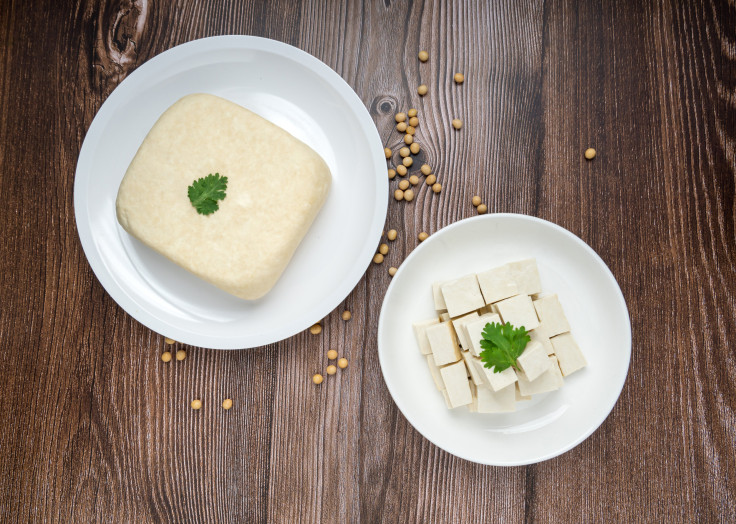
5. Tofu and Other Soy Foods
Diets rich in tofu and other soy-based foods have been linked to cardiovascular benefits in research funded by the National Institutes of Health, which found that people who consumed tofu at least once a week had a lower risk of heart disease compared with those who ate it less than once a month. Nutrition experts have suggested that scrambling tofu with turmeric and vegetables can serve as a high-protein, budget-friendly alternative to eggs.
6. Chia Seeds
Chia seeds pack a notable amount of fiber and protein into a small serving size, along with heart-healthy fats, and are commonly added to oatmeal, smoothies or yogurt as an easy way to boost both nutrients without significantly altering a dish's flavor.
7. Greek Yogurt and Cottage Cheese, Topped With Berries and Seeds
Registered dietitian Keri Glassman has recommended cottage cheese topped with berries and seeds as a particularly effective high-protein, high-fiber breakfast option for supporting weight management, describing the combination as offering substantial protein alongside calcium and probiotics important for gut health. Berries contribute meaningful fiber along with antioxidants, while toppings such as hemp seeds add additional protein, healthy fats and micronutrients including magnesium, potassium, iron and zinc.
8. Edamame
As a whole soybean rather than a processed soy product, edamame offers a combination of protein and fiber in a simple, minimally processed form, making it a popular snack or salad addition among nutrition experts recommending plant-forward, high-fiber diets.
9. Nuts and Nut Butters
Nuts contribute both protein and fiber alongside healthy fats, and dietitians have recommended pairing them with fruit, such as strawberries, or incorporating them into salads alongside lentils to build meals that combine multiple sources of both nutrients simultaneously.
10. Pumpkin Seeds
Pumpkin seeds offer a concentrated source of both protein and fiber in a small serving, and are frequently recommended as an easy addition to yogurt, salads or oatmeal for a quick nutritional boost.
Beyond individual food choices, dietitians emphasize that the overall pattern of combining these two nutrients throughout the day matters more than any single food in isolation. Palinski-Wade recommends thinking of protein as "the anchor" of a meal, then building the rest of the plate around fiber-rich accompaniments such as vegetables, legumes, nuts and seeds. Suggested meal combinations include grilled chicken or salmon served over a salad topped with lentils, nuts and berries, or a quinoa bowl topped with roasted chicken or tofu and vegetables.
Fiber intake remains a significant public health concern more broadly. According to nutrition data cited in coverage of the topic, only about 7% of Americans currently meet their daily fiber needs, despite dietary guidelines recommending adults consume between 25 and 30 grams of fiber per day. Nutrition experts have pointed to the growing popularity of high-protein eating patterns, sometimes without adequate attention to fiber intake, as one factor contributing to that gap.
The health implications of that shortfall extend beyond simple digestion. Dr. Olufemi Kassim, a gastroenterologist at Northwestern Medicine, explained that fiber plays a critical role in supporting a healthy gut microbiome, describing a clear link between diet and digestive health. "People who eat high-fiber diets have a more diverse, rich microbiome, which is associated with a lower risk of gastrointestinal issues," Kassim said, adding that prebiotic foods such as bananas, garlic and onions further support the growth of beneficial gut bacteria.
Kassim also cautioned that pursuing high protein intake without sufficient fiber can create digestive strain, since fiber plays an essential role in moving food through the intestines and regulating bowel function. Nutrition experts generally recommend that individuals following specialized high-protein diets consult with a registered dietitian to ensure their fiber intake keeps pace with their protein goals, rather than focusing on one nutrient at the expense of the other.
Taken together, nutrition experts' guidance suggests that the most effective approach to both weight management and long-term digestive and metabolic health may not lie in maximizing either protein or fiber individually, but in consistently pairing foods that deliver both nutrients at once, a pattern reflected across each of the foods highlighted by dietitians as go-to options for building balanced, satisfying meals.
© Copyright 2026 IBTimes AU. All rights reserved.