

10 Best Foods To Relieve Severe Constipation, According To Doctors And Dietitians
Explore dietary solutions for constipation relief with expert advice on fibre-rich foods and hydration.
Constipation affects roughly 20% of people in North America, according to health researchers, and while the condition is usually manageable, doctors and registered dietitians say certain foods can play a meaningful role in relieving symptoms, particularly when paired with adequate hydration and physical activity.
Constipation is generally defined as having fewer than three bowel movements per week, often accompanied by hard stools, straining, or a persistent feeling of incomplete relief. Grace Derocha, a registered dietitian and spokesperson for the Academy of Nutrition and Dietetics, said the condition can stem from a range of underlying causes, including irritable bowel syndrome, hypothyroidism and certain types of diabetes, as well as psychological factors like stress and anxiety. She said identifying and addressing the specific cause behind a person's constipation is essential for finding effective, lasting relief rather than relying on dietary changes alone.
Fiber remains the most consistently recommended dietary tool for relieving constipation. According to Johns Hopkins Medicine, fiber adds bulk to stool while also supporting the gut microbiome and helping coordinate the muscle contractions that move food through the intestines, a process known as gut motility.
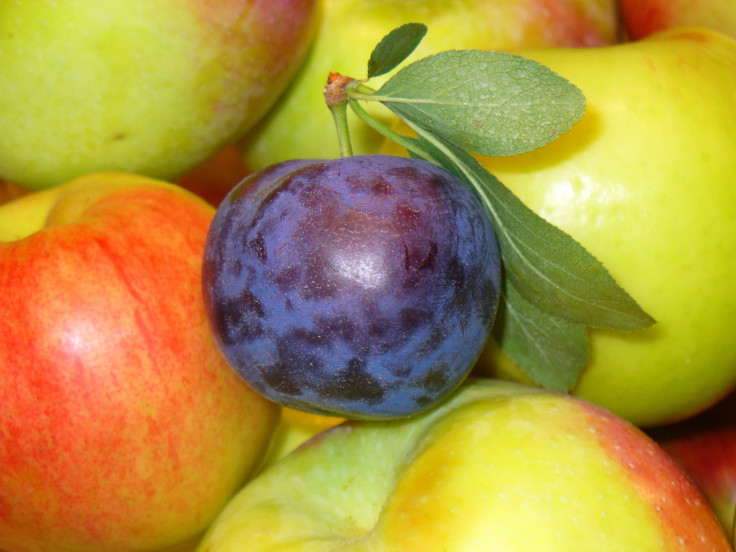
Prunes rank among the most well-studied foods for constipation relief. Beyond containing roughly 2 grams of fiber per ounce, prunes are rich in sorbitol, a sugar alcohol the body does not easily digest, which helps draw water into the intestines and stimulate bowel movements. A review examining multiple clinical studies found that prunes consistently helped soften stool, improve its consistency, and increase how frequently people had bowel movements.
Apples offer a similar benefit through a specific type of soluble fiber called pectin, known for its laxative effect. A small apple contains about 4 grams of fiber, and in one clinical study, participants who took pectin supplements for four weeks saw meaningfully faster movement of waste through the colon, along with an increase in beneficial gut bacteria.
Leafy greens such as spinach also rank highly among dietitian recommendations. Registered dietitian Keri Cording described the combination of fiber and magnesium found in leafy greens as particularly effective, calling magnesium "nature's muscle relaxer" for its role in easing intestinal muscle activity. She recommended incorporating greens through a spinach salad or blending them into a smoothie for easier daily inclusion.
Artichokes, meanwhile, offer a less commonly recognized fiber source. Cording noted that artichokes are surprisingly high in a type of soluble fiber called inulin, which she said can help stimulate digestion while also supporting healthy gut bacteria balance.
Brussels sprouts made the list as well, despite their reputation for causing gas. Bianca Tamburello, a registered dietitian nutritionist with Nourish, recommended loading up on high-fiber Brussels sprouts, noting that when seasoned well, they can be an easy way to add meaningful fiber to a meal while also supporting regular bowel movements.
Legumes, including black beans, chickpeas and lentils, offer some of the most concentrated fiber content of any commonly eaten food group. Tamburello pointed out that a single cup of black beans contains roughly 15 grams of fiber, meaning a modest addition to a soup or salad can make a substantial difference toward daily fiber goals. Legumes also contain resistant starch, which digests more slowly than simple starches like white rice or potatoes and functions similarly to fiber in supporting digestion.
Whole grains, including oats, brown rice, quinoa and whole-wheat products, retain the bran, germ and endosperm of the grain kernel, unlike refined grains, which have the bran and germ removed along with most of their fiber content. Because of that structural difference, whole grains provide significantly more fiber than their refined counterparts and are widely recommended as a foundational part of a constipation-friendly diet.
Coffee has also been shown to support bowel regularity, according to nutritionists. Coffee triggers several digestive responses, including contracting the muscles of the colon and stimulating the release of gastrin, a hormone that speeds the movement of food through the digestive tract. However, experts caution that excessive coffee and caffeine consumption can increase the risk of dehydration, which can worsen constipation rather than relieve it, making moderation and adequate water intake important alongside any coffee consumption.
Adequate hydration ranks as a foundational recommendation across virtually every source on constipation relief. The Centers for Disease Control and Prevention recommends drinking water or other fluids whenever thirsty, and specifically suggests drinking fluids alongside meals, since dehydration is a well-established risk factor for constipation.
For people managing constipation through diet, Johns Hopkins Medicine also points to the BRAT diet, bananas, rice, applesauce and toast, as an option some dietitians recommend for a range of digestive issues, noting it can help with both constipation and diarrhea depending on an individual's specific symptoms and needs.
While dietary changes can meaningfully help many people manage occasional or mild constipation, doctors emphasize that severe, persistent or worsening constipation warrants medical evaluation rather than relying solely on food-based remedies. This article discusses general nutrition information related to constipation and is not a substitute for personalized medical advice; anyone experiencing severe or ongoing constipation, especially if accompanied by significant pain, bleeding or unexplained weight loss, should consult a doctor to rule out an underlying medical condition and determine the most appropriate treatment approach.
© Copyright 2026 IBTimes AU. All rights reserved.