Nap or Quick Workout? New Study Finds Both Equally Boost Memory After Sleep Deprivation, Doctor Explains
Research comparing moderate cycling with a 90-minute nap found similar memory benefits, while only napping reduced participants' reported fatigue.

Going without sleep makes it significantly harder to concentrate and learn new information, but a new study suggests a short bout of exercise may offer some of the same memory-protecting benefits as a nap for people who cannot get adequate rest, according to CNN wellness expert Dr. Leana Wen.
The study, published in the scientific journal Proceedings of the National Academy of Sciences, compared two strategies for protecting memory following sleep deprivation: aerobic exercise and napping. Wen, an emergency physician and clinical associate professor at George Washington University who previously served as Baltimore's health commissioner, walked through the study's design and findings.
According to Wen, researchers enrolled 54 healthy adults between the ages of 18 and 35 and kept them awake for 30 hours before dividing them into three groups. One group performed 20 minutes of moderate-to-vigorous cycling at 80% of their maximum heart rate. A second group was given a 90-minute opportunity to nap. A control group sat on a stationary bicycle for 20 minutes without actually exercising.
Following those interventions, all participants viewed 150 images while researchers recorded their brain activity using electroencephalography, or EEG, without informing them there would later be a memory test. Three days later, after recovering from the sleep deprivation, participants were shown the original images mixed together with new ones and asked to identify which they had seen before.
The results showed comparable benefits between exercise and napping. Participants who exercised correctly recognized 56% of the images, compared with 57% among those who napped and just 46% among the control group. Both the exercise and nap groups performed significantly better than the control group, with memory performance roughly 21% higher after exercise and 23% higher after a nap, a difference between the two interventions that was not statistically significant. Notably, participants who napped reported feeling significantly less fatigued afterward, while those who exercised reported fatigue levels similar to the control group, despite still performing significantly better than that group on the memory test.
Explaining how a relatively brief workout could produce this effect after such prolonged wakefulness, Wen described the underlying biology of sleep deprivation. "Sleep deprivation interferes with the brain's ability to encode new information. After prolonged wakefulness, sleep pressure builds and the neural processes needed to form memories become less efficient," Wen said. She noted that the study's EEG recordings suggested exercise helped counteract some of these effects, reducing a marker of neural fatigue in brain regions involved in the memory task. "One possible hypothesis is that exercise helps the sleep-deprived brain use its available cognitive resources more efficiently," she said.
Wen noted that the 20-minute exercise session used in the study fits loosely into a broader concept known as exercise "snacking," short bursts of physical activity typically lasting anywhere from about 30 seconds to five or 10 minutes, though the study's 20-minute session ran longer than a typical exercise snack. She said such brief bouts of movement, including climbing stairs, brisk walking or doing squats, have been linked in other research to health benefits including improved cardiorespiratory fitness and reduced risk of cancer and dementia.
Despite producing similar memory outcomes, Wen said exercise and napping appeared to work through distinct underlying processes. "The nap changed the underlying state of the sleep-deprived brain. People in the nap group had less fatigue and lower EEG markers of sleep pressure, which is the biological drive for sleep that builds the longer someone stays awake," she said. "Exercise did not relieve sleep pressure in the same way. Instead, it appeared to make memory processing more efficient." She summarized the distinction simply: the nap gave the brain some of the sleep it was demanding, while exercise helped the brain function more effectively despite remaining sleep-deprived.
Wen was direct in cautioning that exercise cannot serve as a substitute for actual sleep more broadly. "No. Exercise cannot replace sleep. Sleep serves essential functions throughout the body, including regulating immune and metabolic processes and supporting many aspects of brain function," she said, noting that a 20-minute workout cannot deliver those broader physiological benefits, even though regular exercise and healthy sleep do reinforce one another.
Wen said the findings could carry practical value for people in safety-sensitive occupations, including healthcare and transportation workers, who sometimes face unavoidable sleep loss without the time or setting for a 90-minute nap. Even so, she cautioned against overextending the study's conclusions, emphasizing that exercise does not make it safe to drive or perform other dangerous tasks while severely sleep-deprived, and that the research did not test whether exercise restores attention, reaction time or judgment, the many other cognitive functions impaired by sleep loss.
She also cautioned that the study involved a small sample of young, healthy adults tested under controlled laboratory conditions after acute sleep deprivation, meaning it remains unclear whether similar benefits would occur following chronic sleep restriction, in older adults with medical conditions, or with other forms or intensities of exercise.
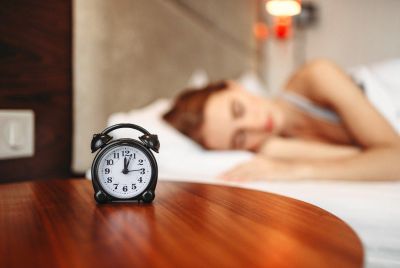
For people who find themselves sleep-deprived but needing to function well, Wen said the first priority should always be to seek actual sleep, with adults generally advised to aim for at least seven hours per night on a regular basis. When adequate nighttime sleep is not possible, she said a nap can help, and when a nap is not an option, a short bout of aerobic activity, such as a brisk walk, climbing stairs or a few minutes on a stationary bike, could offer a useful alternative before a period requiring learning and memory. She added that caffeine can temporarily boost alertness and concentration, though it does not reverse the underlying effects of sleep deprivation, and recommended eating regular, balanced meals, staying hydrated, avoiding large heavy meals that can increase sleepiness, and steering clear of alcohol, which can further impair alertness and judgment.
© Copyright 2026 IBTimes AU. All rights reserved.
- Recommended For You