

New Study Links Xylitol Sweetener To Higher Heart Attack And Stroke Risk In 17,700 People, Cardiologist Warns
Research highlights potential cardiovascular dangers of xylitol, a common sugar substitute.
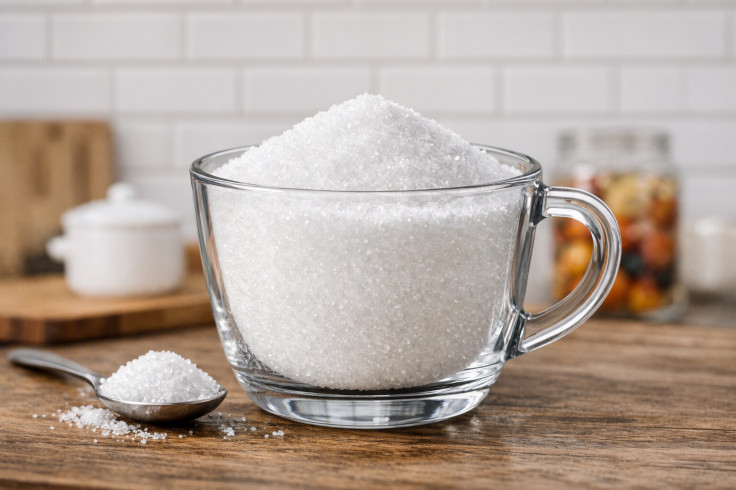
A large new study presented at a major European cardiology conference has found that higher blood levels of xylitol, a popular sugar substitute used in gum, candy, baked goods and dental products, are associated with an increased risk of heart attack, stroke and death, adding fresh evidence to a growing body of research questioning the sweetener's long-term cardiovascular safety.
The findings were presented at the European Society of Cardiology Congress in Germany in late August. Researchers analyzed data from more than 17,700 participants across two large, long-running studies: the European Prospective Investigation into Cancer, or EPIC, Norfolk cohort in the United Kingdom, and the Canadian Longitudinal Study on Aging, or CLSA.
In the Canadian cohort, participants with the highest blood xylitol levels showed a 57% higher risk of experiencing a major adverse cardiovascular event, defined as death, heart attack or stroke, over a six-year follow-up period, compared with those who had the lowest xylitol levels. In the British cohort, followed over a considerably longer 30-year period, participants with the highest xylitol levels showed an 18% greater risk of a major cardiovascular event compared with those with the lowest levels.
Dr. Marco Witkowski of Charité University Hospital in Berlin, who presented the research, said the findings underscore how little is currently understood about the long-term cardiovascular effects of a sweetener widely regarded as a healthier alternative to sugar.
"Artificial sweeteners are consumed by people who think they are healthier than sugar and they are generally regarded as safe by regulatory agencies," Witkowski said. "Our long-term findings in the general population highlight how little we know about the cardiovascular safety of xylitol and indicate that further studies are warranted, especially as the amount of xylitol in products continues to increase."
According to the European Society of Cardiology, both study cohorts showed evidence of a dose-dependent relationship, meaning that as blood xylitol concentrations increased, so did the rate of cardiovascular events among participants. Researchers said the elevated risk persisted even after accounting for other factors that could independently influence cardiovascular health, including age, sex, body mass index, hypertension, diabetes and cholesterol levels.
The new findings build directly on earlier research led by Dr. Stanley Hazen, chair of cardiovascular and metabolic sciences at Cleveland Clinic's Lerner Research Institute and co-section head of preventive cardiology in the hospital's Heart, Vascular and Thoracic Institute. Hazen's team published a study in 2024 in the European Heart Journal analyzing blood samples from more than 3,000 people already undergoing evaluation for heart disease. That research found that people with the highest xylitol levels in their blood had roughly double the risk of heart attack, stroke or death over a three-year period compared with those who had the lowest levels.
Hazen's earlier study also included laboratory experiments examining how xylitol affects blood clotting. Researchers tracked platelet activity in people who drank a xylitol-sweetened beverage compared with those who consumed a glucose-sweetened drink, finding that every measure of clotting ability increased significantly and immediately following xylitol consumption, but not after glucose consumption. Separate experiments in mice and isolated human blood samples similarly found that xylitol enhanced the clot-forming activity of platelets, offering a possible biological mechanism to help explain the cardiovascular associations observed in the broader population studies.
Hazen said the newly presented findings reinforce the urgency of further investigating sugar alcohols and artificial sweeteners more broadly, particularly given how frequently they are recommended to patients managing conditions such as obesity or diabetes.
"This study again shows the immediate need for investigating sugar alcohols and artificial sweeteners, especially as they continue to be recommended in combatting conditions like obesity or diabetes," Hazen said.
Following his 2024 research, Hazen also called for regulators to reconsider how sugar substitutes like xylitol are classified and labeled, given the mounting evidence of potential cardiovascular risk.
"I hope this serves as a calling for new regulatory guidelines to improve labeling mandates and remove sugar substitutes like xylitol from GRAS status," Hazen told Healthline at the time, referring to the Food and Drug Administration's "Generally Recognized as Safe" designation, which indicates a substance is considered harmless under its intended conditions of use.
Xylitol is a sugar alcohol commonly used as a low-calorie sweetener and sugar substitute, according to the National Institutes of Health. It is frequently used in higher concentrations to sweeten a range of everyday products, including chewing gum, candy, baked goods, peanut butter, and dental care products such as toothpaste and mouthwash, where it is also valued for its ability to help prevent tooth decay. In the European Union, xylitol is approved for use under the food additive designation E967.
Researchers involved in the newly presented study emphasized that their findings, like Hazen's earlier work, remain observational in nature, meaning they demonstrate an association between xylitol levels and cardiovascular events rather than proving that xylitol directly causes heart attacks or strokes. The European Society of Cardiology noted in its release accompanying the study that further research would be needed to establish whether the relationship reflects a true causal effect or whether other unmeasured factors might help explain the pattern observed across both study cohorts.
It's also worth noting that artificial sweeteners, including xylitol, undergo rigorous safety testing before regulatory approval in markets including the United States and the European Union, and have long been recommended by health authorities as an alternative to added sugar for people managing weight, diabetes or other metabolic conditions. The new findings add to an evolving and still-developing body of evidence rather than settling the broader question of xylitol's overall safety profile.
Researchers involved in both the newly presented study and Hazen's earlier work have consistently recommended that individuals with questions about their own sugar substitute consumption speak directly with their doctor or a registered dietitian, particularly those managing existing cardiovascular risk factors or conditions such as diabetes, rather than making significant dietary changes based solely on observational research findings.
As scrutiny of xylitol and other sugar alcohols continues to build, researchers say additional large-scale, long-term studies will likely be necessary to more definitively characterize the sweetener's cardiovascular safety profile, particularly given its increasingly widespread use across a broad range of everyday consumer products marketed to health-conscious buyers as a lower-calorie or diabetes-friendly alternative to traditional sugar.
© Copyright 2026 IBTimes AU. All rights reserved.