Valve's Steam Machine Launches at $1,049, With a Lottery System for Early Buyers
Valve's Steam Machine faces high pricing due to global memory shortages, launching June 30 with a lottery-based preorder system.
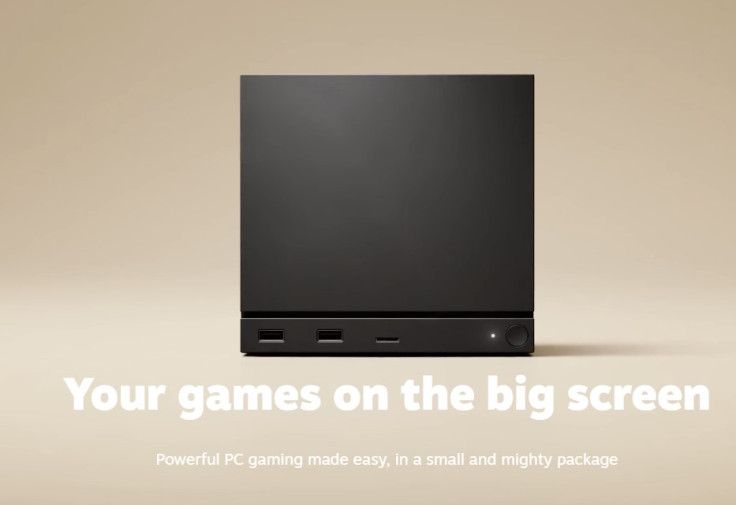
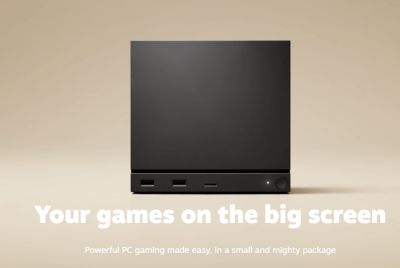
At long last, Valve has revealed the price for its highly anticipated Steam Machine platform. The system will officially cost $1,049 for its 512GB version without a Steam Controller, and it launches on June 30. From there, the price increases to $1,349 for the 2TB model without a controller, and $1,428 with a controller included.
A Price Higher Than Many Expected
Although these prices for the Steam Machine are quite high, they don't come as a surprise whatsoever. Valve has made it clear in recent months that it has had to reconsider its original pricing structure for the Steam Machine in the wake of component prices skyrocketing throughout 2026. As a result, the Steam Machine is now selling for over $1,000 at a minimum, whereas before, Valve clearly planned to come in much lower for its sale price.
Some earlier estimates had pegged the device far closer to half its eventual cost. Last December, some predicted the price would be around $700 to $800 based on the rising cost of PC components at the time. Unfortunately, over six months later, it's now $1,049 minimum to get the console-PC hybrid with a 512GB NVMe SSD card — and it doesn't even come with a controller at that price.
Valve's Explanation for the Price Increase
Valve has been candid about why the device's cost climbed so significantly from its original plans. "When we announced these products in November, we planned on being able to share specific pricing and launch dates by now," Valve wrote in its update FAQ. "But the memory and storage shortages you've likely heard about across the industry have rapidly increased since then. The limited availability and growing prices of these critical components mean we must revisit our exact shipping schedule and pricing."
Valve admitted the original price goal is "no longer viable" as the cost of RAM and storage components continues to rise. The company was also unable to find some components at all in certain cases, contributing to a limited initial supply of the device.
How to Pre-Order: A Lottery System
Given the constrained component availability, Valve has implemented an unusual reservation process rather than opening standard pre-orders to everyone immediately. Preorders will open up on June 25, but customers can join a waitlist now to be eligible for an opportunity to preorder one. On June 25, a select number of those who registered interest will be randomly selected to be able to place a preorder.
Valve says the lottery approach is being done in reaction to challenges with preordering the Steam Controller, and the company says it gives users a fair amount of time to actually place an order while providing it with time to "do some extra validation on the signups to make sure they're real accounts." Orders are limited to one per household and must meet a few criteria, including having made a Steam purchase prior to April 27.
According to a separate report, interested buyers have until June 25 at 10 a.m. Pacific Time to sign up for the waitlist, at which point there will be a one-time randomized drawing to select those added to the reservation queue, allowing purchases starting June 29 and continuing throughout the remainder of 2026.
Hardware Specifications
Outside of the storage, each Steam Machine will be identical. It's equipped with a capable AMD Zen CPU, featuring six cores and 12 threads with a maximum boost clock speed of 4.8GHz. That's paired with 16GB of DDR5 memory via SODIMM modules, which Valve also says will be accessible for upgrades down the line.
Unlike modern consoles, the Steam Machine isn't going with an APU approach, instead settling on a dedicated GPU that is soldered onto the same board as the CPU. This is an AMD RDNA 3 GPU with 28 compute units and 8GB of GDDR6 memory, with many noting that it closely matches the specifications of the AMD RX 7600 from a few years ago.
Performance Expectations
Valve has set specific performance targets for the device that position it well above its handheld Steam Deck. Valve claims more than six times the performance of a Steam Deck and cites 4K at 60 frames per second with FSR upscaling as its goal. However, for graphically demanding titles, users will likely have to reduce the resolution or detail settings to hit those benchmarks.
Software and Design
Like the Steam Deck, the Steam Machine will run Valve's SteamOS — a heavily modified version of Linux Arch that turns the operating system into an easy-to-use version of Steam Big Picture mode. While primarily configured for use with Steam, SteamOS still lets users boot into a desktop version of Linux, allowing them to configure other storefronts as well.
Three things set the Steam Machine apart from a DIY mini-PC: its compact cube design, the factory-installed SteamOS, and the direct wireless connection to the Steam Controller without a USB dongle. The device also supports most controllers that work on a Windows PC with Steam, including the Xbox gamepad and the Sony DualSense.
Storage and Controller Bundling
Valve will sell the Steam Machine with two storage options to choose from, 256GB and 2TB according to earlier specifications (later confirmed as 512GB and 2TB at launch), while also offering an easy way to install new, larger SSDs in the future. Valve says it will bundle the Steam Controller with the Steam Machine at launch and also offer the controller to purchase separately, though customers who missed earlier Steam Controller pre-orders should expect a long wait, as new stock will not arrive until 2027.
A Comparison to Console Pricing
To put the cost in perspective, the top-tier configuration places the Steam Machine well above typical console pricing. A PS5 Pro costs around 899 euros, meaning the top-tier Steam Machine bundle costs almost as much as a PS5 and an Xbox Series X combined, according to European pricing figures that placed the device between 1,039 and 1,428 euros at launch.
The Root Cause: A Global Memory Crisis
Valve has directly tied the pricing increase to the same chip and memory shortage affecting the broader consumer electronics industry. Valve attributes the high price to the memory chip crisis. When the product was set to launch originally, falling chip prices were expected, but then AI companies bought up the entire market, driving up the costs of RAM and SSDs. A Valve engineer told one outlet that the final price is significantly higher than originally planned.
A Launch Window That Held, Barely
Despite the dramatic pricing changes, Valve did manage to preserve its previously stated launch timeline, even as the process came right up against the deadline. Despite taking such a long time to receive this pricing and release information, Valve did hold true to its previous launch window for the Steam Machine. Earlier this year, Valve said that it was still planning to release the device in the first half of 2026. While it nearly missed this window, the Steam Machine is still arriving just before the start of July, which would have technically resulted in another delay.
With initial reviews and hands-on testing set to begin once the first units ship, the device's reception will likely hinge on whether its performance and software experience can justify a price point well above what many gamers had originally anticipated. It remains to be seen how well the Steam Machine will sell, with its price coming in higher than many might have anticipated potentially diminishing some of the excitement around the hardware. Anyone seriously considering a purchase should place their pre-order before the June 25 deadline, while others may want to wait for independent reviews before committing more than $1,000 to Valve's most ambitious attempt yet to gain a foothold in the living room gaming space.
© Copyright 2026 IBTimes AU. All rights reserved.
- Recommended For You