PS6 Release Could Slip to 2029 as AI-Driven Memory Costs Squeeze Sony's Plans
Rumours suggest Sony's next console could face delays due to global memory shortages and economic factors.
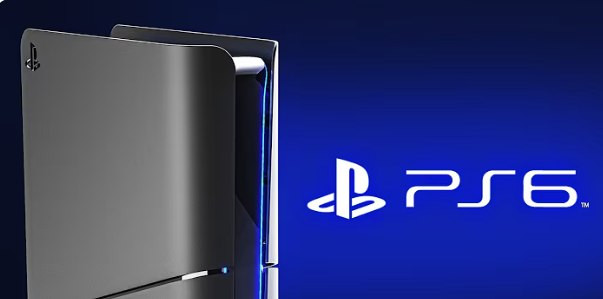
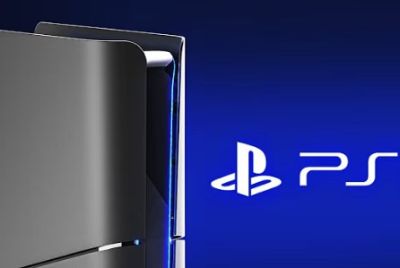
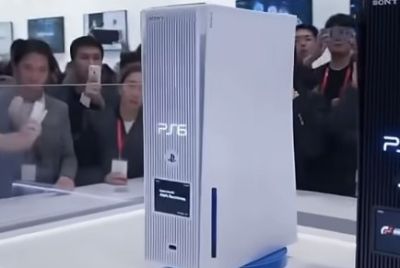
According to a new report, the PlayStation 6 release could be delayed until 2029. Sony has not officially confirmed the price, design, or release date of the PS6, so this news should be taken as a report rather than an official announcement. According to the latest rumor, some analysts believe Sony might move the release of the next PlayStation from 2027 to 2028 or even 2029, with high memory prices, AI-driven demand for chips, and potential pressure on console pricing cited as the main reasons.
Where the Report Originated
The claim traces back to a financial document from a major gaming publisher rather than a direct Sony announcement. According to Embracer Group's latest annual financial report, "some analysts believe" Sony is considering moving the launch of the PlayStation 6 console from a previously expected 2027 window to 2028 or even 2029. The report points to two major factors behind the release window shift: higher memory prices fueled by AI demand and ongoing tariff volatility in the United States.
"Both factors could potentially have a negative impact on console retail prices, which would, in turn, hamper market growth," the report states. "In the longer term, higher RAM costs could also cause operational delays to the launch of future consoles."
No Named Sources, No Confirmation From Sony
It's worth noting how thin the sourcing behind this specific claim actually is. Neither Sony nor Embracer identified the analysts behind the claim, and there is no indication that the PS6 has already been delayed internally.
This is not the first time such a delay has been floated, with similar warnings emerging from multiple sources over recent months. On February 15, 2026, Bloomberg published an alarming report citing anonymous sources familiar with Sony's PlayStation 6 plans. The report stated that Sony is now "considering pushing back the debut of its next PlayStation console to 2028 or even 2029," largely due to the ongoing memory shortage that has no end in sight. If true, this could mark the longest gap between PlayStation consoles to date.
The Root Cause: A Global Memory Shortage
The underlying driver behind the speculation is a broader supply chain crunch affecting the entire consumer electronics industry, not just gaming hardware. The sharp rise in chip prices is being driven by the global boom in the artificial intelligence industry and rising tariffs. Production capacity is being reoriented toward the needs of machine learning data centers, creating a shortage of components for consumer electronics and increasing their production costs. The release of the PlayStation 6 in the current economic climate will inevitably lead to a high retail price for the console, which could slow the growth of the gaming market and discourage a significant portion of potential buyers.
A PS6 delay could affect gamers differently. This can be good for current PS5 owners too, as developers may continue to make more games for the existing console. Players waiting for next-generation hardware may feel disappointed because they may need to use the PS5 or PS5 Pro for longer.
Microsoft Could Gain a Head Start
If the delay materializes as described, it could hand Microsoft a meaningful competitive advantage in the next console generation. AMD recently confirmed Microsoft's next-generation Xbox arriving in 2027. Sony could be abandoning the 2027 release window and pushing its PlayStation 6 console to a late 2028 or even 2029 launch, which could leave Microsoft's new Xbox console as superior for an entire year or even two before Sony could join the next-generation console wars.
Despite the mounting speculation, at least one prominent industry executive has pushed back on the idea that the memory shortage will meaningfully alter either company's launch plans. Take-Two CEO Strauss Zelnick has chimed in on the subject, suggesting that launch plans for both the PS6 and the next Xbox console are unlikely to be affected by the memory and storage crisis.
Why Sony May Be Staying Quiet
The uncertainty surrounding pricing and timing may help explain Sony's continued silence on next-generation hardware. The changing economic landscape and shifting timelines could help explain why Sony has decided to stay quiet on the next generation hardware plans so far. It's inevitable that the company will eventually drop news about a new PlayStation, but it would be wise not to announce the hardware too far ahead of its launch. PlayStation 5 and PlayStation 5 Pro sales will likely take a hit once gamers know a new generation is right around the corner.
Even as memory prices threaten to complicate next-generation hardware plans, the current console market has continued showing resilience. As one report highlights, console game sales increased by 3% in 2025 compared to the previous year, suggesting that demand for existing hardware has remained healthy even amid broader economic uncertainty surrounding future console pricing.
What Gamers Should Do Now
Gamers should not panic about PS6 delay reports because the console is not officially dated yet. The best thing to do is buy what you need now. If you already have a PS5, it will likely do you well for a few more years to come. Anyone considering purchasing a PS5 or PS5 Pro should check out the game library, storage requirements, and price deals before buying, and should avoid clicking on fake PS6 pre-order links, leaked pricing rumors, or unknown websites offering early access.
With both Sony and Embracer declining to name the analysts behind the latest delay speculation, and with no official confirmation from Sony regarding the PS6's price, design, or release date, the situation remains fluid heading into the back half of 2026. Given the repeated pattern of similar reports emerging from multiple outlets over the past several months — each citing the same underlying AI-driven memory shortage — gamers and industry watchers alike are likely to continue monitoring component pricing trends closely as one of the clearest available signals of whether Sony ultimately holds to a 2027 launch window or pushes the console further into 2028 or 2029.
© Copyright 2026 IBTimes AU. All rights reserved.
- Recommended For You