

Southwest Airlines Faces Cancellations Amid Winter Storm Iona
Southwest Airlines is grappling with weather-related flight disruptions across the Midwest as Winter Storm Iona brings heavy snow and strong winds to the region, prompting the carrier to issue a travel advisory warning of potential delays and cancellations through Sunday, March 15, 2026.
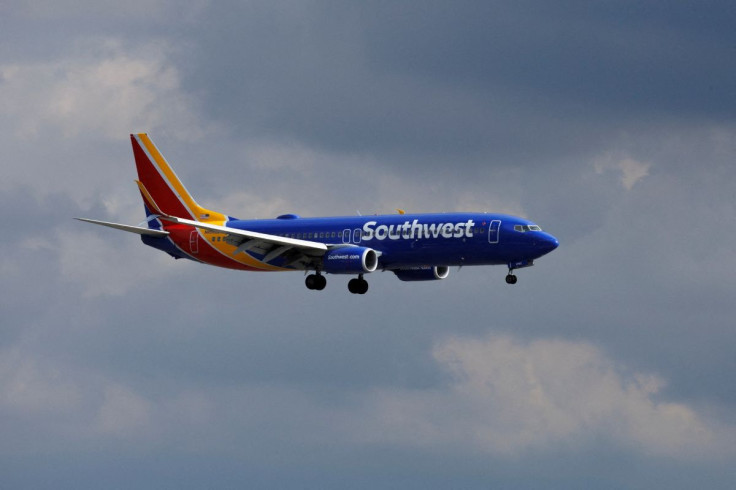
The airline's official travel advisory page highlights risks to operations in Chicago Midway (MDW), Chicago O'Hare (ORD), and Des Moines (DSM) from Saturday through Sunday. Forecasters predict significant snowfall accumulations in the Chicago area, which could exacerbate ground handling and de-icing challenges at Southwest's dominant hub at Midway.
As of early Sunday morning in Korea Standard Time — corresponding to Saturday evening in the central U.S. — nationwide flight tracking data showed limited immediate impacts, but the airline has urged passengers to monitor their flights closely via the Southwest app or website. In recent similar events, such as a March 5 weather episode in Chicago, Southwest accounted for a high share of disruptions: 135 cancellations on that Thursday alone, with Midway canceling 120 flights overall.
Southwest offers flexible rebooking options for affected travelers, including waiving change fees and allowing standby travel on alternate flights where space is available. If the airline cancels a flight or causes a significant delay — generally defined as three or more hours domestically — passengers may qualify for a full refund if they choose not to travel.
The current advisory coincides with broader operational shifts for the low-cost carrier. On March 13, Southwest announced it will discontinue all service to Chicago O'Hare International Airport (ORD) and Washington Dulles International Airport (IAD) effective June 4, 2026. The decision, described by the airline as part of efforts to "refine" its network, follows five years of operations at O'Hare that it characterized as "challenging."
Southwest emphasized continued commitment to the Chicago market through its primary hub at Midway and to the Washington, D.C., region via Reagan National (DCA) and Baltimore/Washington International (BWI). The move will result in mass cancellations for any flights booked after June 3 to or from ORD and IAD, prompting the airline to notify impacted customers directly.
Passengers with existing bookings through June 3 remain unaffected and can fly as planned. For later reservations, Southwest is providing options including full refunds via its website or app, or free rebooking to nearby airports within a 14-day window around the original travel dates. Standby travel on alternate routes is also encouraged where feasible.
The announcement has drawn mixed reactions. Industry observers note Southwest's strategy aligns with its point-to-point model favoring lower-cost, less congested airports over major hubs like O'Hare, where competition and operational complexities — including slot restrictions and higher fees — have limited profitability. The carrier's pullout mirrors decisions by other low-cost airlines, such as Spirit, to reduce presence at ORD.
Travelers planning summer trips through Chicago or the D.C. area now face fewer Southwest options, potentially shifting demand to competitors like United Airlines at O'Hare or American at both hubs. Southwest maintains it can adequately serve those markets from its remaining bases.
The network changes come amid other 2026 adjustments for Southwest, including the January introduction of assigned seating and premium fare bundles — ending its longstanding open-boarding policy — and new policies for plus-size passengers. Those shifts have sparked backlash from some loyal customers and crew, though the airline reports steady booking trends.
Weather remains the immediate concern for operations. Winter Storm Iona follows a pattern of mid-March volatility in the Midwest, where rapid temperature swings and lake-effect snow can disrupt schedules with little warning. Southwest, like other carriers, relies on proactive advisories to manage expectations and minimize stranding.
Passengers are advised to check real-time status on southwest.com, enable flight notifications, and arrive early at airports for potential ground delays. In cases of airline-caused cancellations or lengthy tarmac delays, federal rules entitle travelers to meals, hotel accommodations if overnight stays are required, and rebooking on the next available flight.
As the storm progresses, additional cancellations could emerge, particularly if visibility drops or runways require extended clearing. Southwest's fleet, predominantly Boeing 737s, is well-suited to winter operations with de-icing capabilities, but volume at hubs like Midway can create bottlenecks.
The dual story of short-term weather woes and long-term network restructuring underscores ongoing challenges for Southwest in balancing cost efficiency, customer service, and reliability. With spring break travel ramping up and potential government shutdown risks looming in the background — though not currently active — the airline urges flexibility from passengers.
Travelers affected by either the storm or the June service changes can contact Southwest reservations or use self-service tools online for the latest updates and accommodations.
© Copyright 2026 IBTimes AU. All rights reserved.