Easter Weekend Meltdown: Over 5,500 US Flights Delayed as Storms Batter Major Hubs
Spring storms and record holiday travel demand turned Easter weekend into a travel nightmare for hundreds of thousands of Americans, with more than 5,500 U.S. flights delayed and hundreds canceled as thunderstorms hammered key airports from Florida to the Midwest.

Flight-tracking data showed roughly 5,500 delays and around 460 cancellations nationwide on peak days leading into and during the Easter holiday, according to reports compiled from FlightAware and other aviation monitors. Major hubs including Chicago O'Hare, Miami International, Atlanta and Dallas-Fort Worth bore the brunt, where severe weather grounded planes, slowed operations and created cascading disruptions across the national air network.
The chaos peaked around Good Friday and Easter Saturday as families headed to beaches, family gatherings and spring getaways. Thunderstorms brought heavy rain, gusty winds and lightning that forced ground stops and reduced departure rates at busy airports. Even airports far from the worst weather felt ripple effects as delayed planes and crews threw off tight airline schedules.
Miami International Airport emerged as one of the hardest-hit spots, with reports of more than 175 flights disrupted over a two-day stretch. Thunderstorms and moisture-laden air along the Florida corridor overwhelmed departure banks, stranding passengers bound for domestic and international destinations. American Airlines alone logged dozens of delays at the hub.
At Chicago O'Hare International Airport, one of the nation's busiest, hundreds of flights faced delays or cancellations on Good Friday, with some reports citing over 1,200 combined disruptions in a single day when thunderstorms rolled through. Similar scenes played out at Chicago Midway, Dallas-Fort Worth, Atlanta's Hartsfield-Jackson and airports in the Northeast and Mid-Atlantic.
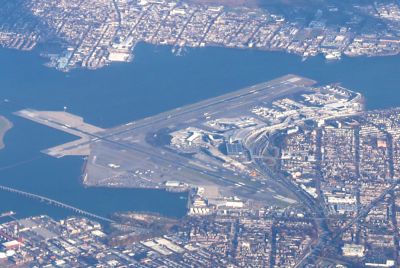
The Federal Aviation Administration issued ground delays and stops at multiple locations as conditions deteriorated. Low clouds affected operations in the Northeast corridor, including New York's JFK, LaGuardia and Newark airports, while thunderstorms threatened Orlando, Tampa and other Southeast gateways. High winds and scattered severe cells further complicated landings and takeoffs.
Travelers described chaotic scenes at terminals: packed gates, long lines at customer service counters and families sleeping on airport floors after flights were scrubbed late in the day. Many reported last-minute cancellations that left them scrambling for new itineraries, sometimes days later.
"By the time they told us the flight was canceled, hotels were booked and we ended up on the terminal floor," said one passenger trying to return home from Orlando, echoing complaints heard at multiple airports during the holiday rush.
Airlines worked to recover operations, rebooking passengers and repositioning aircraft and crews. Major carriers including American, Delta, United and Southwest issued travel waivers for affected routes, allowing changes without penalty. Yet recovery proved slow as the storm system lingered and high passenger volumes strained resources.
The disruptions come against a backdrop of a challenging year for U.S. air travel. Earlier 2026 winter storms had already caused massive cancellations, with single-day totals exceeding 10,000 flights in January and thousands more in February and March. Those events exposed vulnerabilities in airline scheduling, staffing and airport infrastructure that carried into the busy spring season.
Easter 2026 coincided with peak spring break travel for many families, pushing passenger numbers near record levels. The Transportation Security Administration had prepared for heavy volumes, but weather added an unpredictable layer that overwhelmed even well-staffed operations.
Aviation experts point to several converging factors. Spring weather in the U.S. often features volatile thunderstorms capable of shutting down runways for safety reasons. Airlines operate on precise hub-and-spoke schedules where a delay at one major airport quickly ripples nationwide. Add in holiday demand that fills seats and leaves little slack for recovery, and small weather events can snowball.
"Thunderstorms are particularly disruptive because they can halt ground operations entirely — no fueling, no boarding, no pushback," said one aviation analyst monitoring the weekend. "When that happens at a hub, the whole system feels it."
Data from Friday through Sunday showed delays concentrated in the Southeast and Midwest but affecting flights coast to coast. On one monitored day, national totals approached 5,536 delays and 460 cancellations. Chicago, Miami, Atlanta and Dallas saw the highest concentrations, with knock-on effects reaching San Francisco, New York and Washington-area airports.
Passengers at Reagan Washington National Airport faced their own headaches on Easter Saturday, with dozens of delays tied to both local weather and upstream disruptions. Tight airspace around the capital compounded problems when storms or volume slowed traffic.
For many, the frustration extended beyond inconvenience. Business travelers missed meetings, vacationers lost precious days and families faced added costs for hotels, meals and alternative transport. Some reported difficulty reaching airline agents as call centers and apps buckled under volume.
Airlines urged passengers to check flight status before heading to the airport and to enroll in text alerts. The FAA advised allowing extra time and monitoring its own delay information page.
As the weekend progressed, some recovery took hold. Clearing skies allowed airlines to catch up on backlogs, though many flights still operated hours behind schedule into Easter Sunday and Monday. Lingering effects could stretch into the workweek for those whose planes or crews were out of position.
The Easter meltdown highlights ongoing challenges for the U.S. aviation system as it handles growing passenger demand. While safety remained paramount — no incidents linked to the weather were reported — the frequency of large-scale weather disruptions raises questions about resilience.
Industry groups have called for continued investment in airport infrastructure, air traffic control modernization and better coordination between airlines and the FAA during severe weather. Some suggest expanding "slot" flexibility at constrained airports or improving predictive tools for storm impacts.
For now, the focus remains on helping stranded passengers. Airlines continued offering rebookings, meal vouchers and hotel accommodations where eligible under their policies or Department of Transportation rules.
Travelers planning post-Easter returns were advised to monitor forecasts closely. Additional spring storm systems could bring more volatility in coming weeks, particularly in the central and eastern U.S.
As families celebrated Easter amid the travel headaches, many reflected on the unpredictable nature of flying during peak seasons. What began as joyful holiday plans for millions ended in delays and disappointment for thousands — a reminder that even in an era of advanced forecasting, Mother Nature still holds sway over the skies.
The National Weather Service and FAA continue to monitor developing systems that could affect travel in the days ahead. Passengers are encouraged to build flexibility into their plans and stay informed through airline apps and official tracking sites.
© Copyright 2026 IBTimes AU. All rights reserved.
- Recommended For You