Shaquille O'Neal Recalls Sacrificing Ego and Salary to Build Miami Heat Championship Team
O'Neal's Adaptability and Team-First Approach Paved the Way for Miami's Success
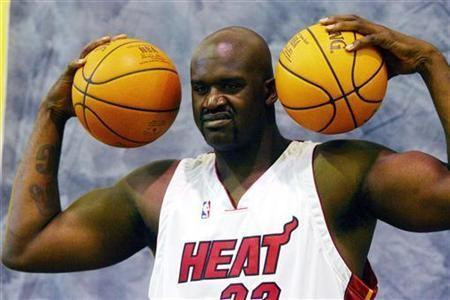
MIAMI — Shaquille O'Neal has reflected on the pivotal adjustments he made upon joining the Miami Heat, where he prioritized team success over individual accolades to help forge a championship squad alongside Dwyane Wade. The Hall of Famer's willingness to adapt his approach proved instrumental in delivering the franchise's first NBA title in 2006.
O'Neal arrived in Miami following a tumultuous end to his tenure with the Los Angeles Lakers, who fell to the Detroit Pistons in the 2004 NBA Finals despite being heavy favorites. Recognizing his advancing age and the need for greater reliance on teammates, the dominant center sought out Wade early in his Heat tenure to establish a collaborative dynamic.
"When I first came here, I had to sacrifice because I was the man everywhere I went," O'Neal recalled in recent comments.
The conversation with Wade, then a rising star entering his third season, set the tone for their partnership. O'Neal, aware of Wade's potential after observing his playoff performance, made clear his intention to support the younger guard's development.
"I said, 'Listen, I know you heard a lot. This is how it's going to be, and this your team.' He looked at me with the baby face. I said, 'This your team,'" O'Neal continued.
This ego check marked a departure from O'Neal's previous superstar partnerships in Orlando with Penny Hardaway and in Los Angeles with Kobe Bryant, where ball dominance sometimes created friction. In Miami, the 7-foot-1 center embraced a mentorship role, helping elevate Wade while contributing his trademark interior dominance.
The Heat reached the Eastern Conference finals in O'Neal's first season but fell short against the Pistons. Recognizing the need for veteran reinforcements, O'Neal made another significant concession during contract negotiations with team president Pat Riley. Rather than maximizing his earnings, he accepted a reduced deal to provide salary cap flexibility for additional acquisitions.
"I think it was 125 for five, or he said, 'You could take 100 for four.' And if you take 100 for four, that's when we got (James) Posey. That's when we got Antoine (Walker). And that's when we got J-Will," O'Neal explained.
"So for me, it was all about sacrifice because I knew what it took to get that thing. And I see with the pieces that we were trying to put together, we had the potential to get it done. So for me, I'm glad I made those sacrifices," he added.
The moves paid dividends. Veterans like Walker, Posey, Jason Williams and Gary Payton brought playoff experience and toughness to complement the core of O'Neal and Wade. The 2005-06 Heat avenged the previous year's conference finals loss by defeating Detroit before overcoming the Dallas Mavericks in six games to claim the championship.
O'Neal's Miami tenure, though relatively short, left a lasting impact. He averaged strong numbers during his four seasons with the Heat, providing a physical presence that opened driving lanes for Wade and defensive versatility. The 2006 title validated his strategic sacrifices, demonstrating how individual concessions can elevate collective achievement.
Basketball analysts often cite O'Neal's Heat years as evidence of his adaptability late in his prime. While his Lakers exit involved public acrimony with Bryant, the Miami chapter showcased a more team-oriented mindset. Wade has frequently credited O'Neal with accelerating his growth into a superstar, particularly in understanding how to lead while sharing responsibilities.
The 2006 championship run featured memorable moments, including O'Neal's dominant performances in the paint and Wade's clutch scoring. The series against Dallas highlighted the duo's chemistry, with Wade earning Finals MVP honors. That success contrasted with the Lakers' earlier struggles, underscoring the value of complementary pieces around star talent.
O'Neal's career statistics rank him among the all-time great centers. A four-time NBA champion, three-time Finals MVP and 15-time All-Star, his physical dominance redefined the position. Yet his reflections on Miami emphasize leadership qualities beyond statistics — the willingness to adapt for team success.
Current NBA players and coaches have drawn lessons from such examples. Building winning cultures often requires veterans to embrace reduced roles or financial adjustments. O'Neal's experience illustrates how prioritizing championships over personal metrics can yield long-term satisfaction.
The Heat franchise has evolved significantly since 2006, adding further titles in subsequent eras. However, the O'Neal-Wade partnership remains a foundational chapter in team history. Fans still celebrate that 2006 squad as pioneers who delivered Miami's first championship.
O'Neal's post-playing career has included broadcasting, business ventures and continued engagement with basketball. His candid reflections provide insight into the mental adjustments required at different career stages. The Miami experience, he suggests, reinforced the importance of flexibility and team-first thinking.
Wade, now a Hall of Fame inductee and executive, has echoed similar sentiments about their collaboration. The mutual respect developed during that period contributed to sustained success and enduring friendship. Their partnership exemplified how generational handoffs can benefit both parties.
As the NBA continues emphasizing player empowerment and team chemistry, stories like O'Neal's offer valuable context. Sacrifices for collective goals remain central to championship pursuits, even as individual branding grows more prominent.
O'Neal's Heat chapter ultimately enhanced his legacy. While known for dominance with the Magic and Lakers, his willingness to adapt in Miami demonstrated versatility and commitment to winning. The 2006 title capped a remarkable career arc spanning multiple franchises and eras.
The basketball world continues celebrating such moments of leadership and sacrifice. O'Neal's recollections serve as reminders that true greatness often involves putting team objectives above personal preferences. For the Heat and their fans, those choices helped forge a championship foundation that resonates years later.
© Copyright 2026 IBTimes AU. All rights reserved.
- Recommended For You