Dwight Howard Pushes Back on Kevin Durant's Claim That LeBron's 76ers Mirror Warriors Superteam
Dwight Howard and Kevin Durant Weigh In on LeBron's Impact in Philadelphia
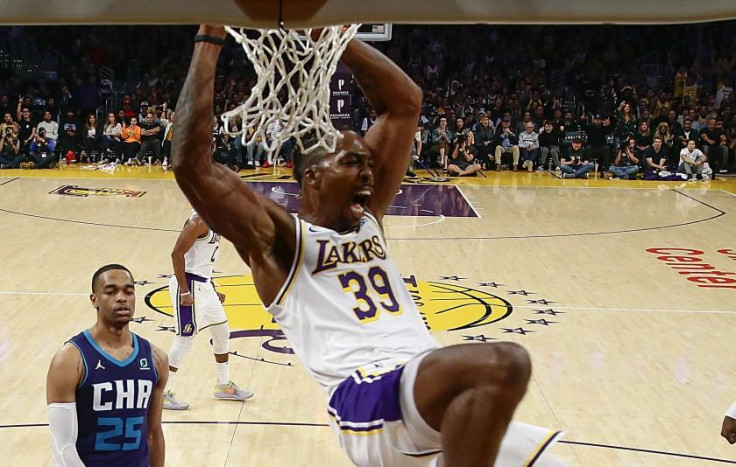
Dwight Howard has pushed back against Kevin Durant's comparison of LeBron James' new Philadelphia 76ers roster to the Golden State Warriors teams that dominated the NBA nearly a decade ago, arguing the true parallel would have required a different destination.
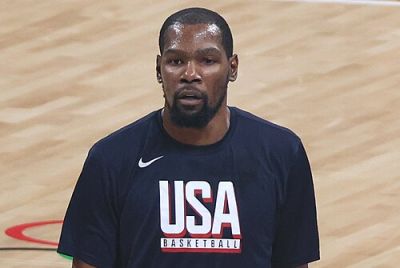
Durant, speaking at a USA Basketball Foundation charity event in Southern California over the weekend, said the addition of James creates a potentially "unfair" collection of talent similar to the one he joined in 2016. "The last time they put three 20-point scorers on a team, they said it was unfair, which was the team I was on," Durant said. "They have got four 25-point scorers on this team. So, hell yeah, I think they're going to be a contender."
He added that the 76ers will be "a fun team to watch" and "League Pass-worthy, TNT-worthy," expressing excitement about seeing the group play. Durant also said he was happy for James, calling the move "a great decision for him to go to a team that got a good chance to win" and praising Philadelphia's fan base and market.
Howard, who won a championship alongside James with the Los Angeles Lakers in 2020, responded on social media. "This would be the case if Bron joined the Knicks," Howard wrote.
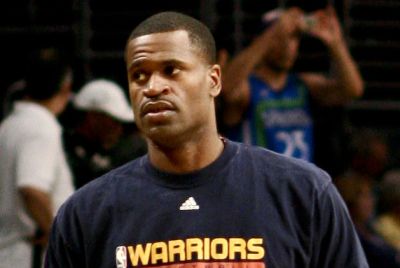
The former All-Star center's point centered on the New York Knicks' existing core. Before James ultimately signed a two-year, $8 million deal with Philadelphia, he had been linked to the Knicks. Pairing him with Jalen Brunson and Karl-Anthony Towns, two All-Stars who helped New York reach the NBA Finals, would have created what Howard viewed as a more direct superteam parallel to the Warriors' dynasty era of Stephen Curry, Klay Thompson, Draymond Green and Durant.
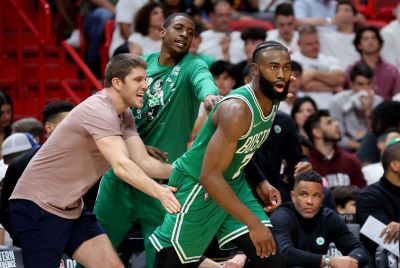
James' arrival in Philadelphia instead adds a fourth high-level scorer and playmaker to a roster already featuring Joel Embiid, Tyrese Maxey and Jaylen Brown. Embiid averaged 26.9 points last season, Maxey 28.3 and Brown 28.7 after arriving via trade. James contributed 20.9 points per game in his final season with the Lakers. The combination gives the 76ers unusual depth of scoring talent on paper.
The debate reflects broader conversations about roster construction and competitive balance in the current NBA. Durant's own move to Golden State in free agency after the 2015-16 season drew heavy criticism at the time for stacking talent on a team that had already won a title and set a regular-season wins record. Those Warriors teams went on to win two championships during his three seasons there, though injuries and eventual roster turnover ended the run.
James, entering his 24th NBA season at age 41, has now played for four franchises and is chasing a fifth title. He spent eight seasons with the Lakers after earlier stops in Cleveland and Miami. His decision to take a veteran minimum contract with Philadelphia was widely viewed as a championship-driven choice rather than a financial one.
Howard has been generally supportive of James' move to the 76ers in other comments. In an earlier interview, he described James as "one of the greatest chess players" and said the 76ers were already a strong team that needed only the missing piece. He predicted the group would be favorites and that James would help extend Embiid's window.
Still, his specific reply to Durant drew a distinction between the current Philadelphia roster and the more transformative type of star convergence that defined the mid-2010s Warriors. The Knicks, by contrast, already possessed two established All-Stars who had proven themselves in deep playoff runs. Adding James there, in Howard's view, would have more closely mirrored the sudden leap in talent Durant's arrival provided Golden State.
Whether the 76ers can convert their paper strength into actual dominance remains to be determined on the court. Chemistry, health, defensive fit and coaching will all factor heavily. Embiid's injury history has long been a concern, and integrating four high-usage scorers requires careful management of minutes and roles. James' ability to facilitate and elevate teammates has been a hallmark of his career, but the supporting cast in Philadelphia is more established as primary options than many previous groups he has joined.
Durant's comments also served as a defense of star players seeking better supporting casts. Having faced years of criticism for his own free-agency decisions, he has often framed such moves as rational pursuits of winning rather than moral failings. His public support for James' choice aligns with that stance.
The exchange between the two veterans highlights how quickly narratives form around high-profile free-agency decisions. James' signing immediately elevated Philadelphia's profile and title odds. Durant's endorsement of the roster's potential added weight from a player who lived through a similar scrutiny. Howard's counter offered a reminder that not every stacked roster is created equal and that context—existing pieces, market, and historical parallels—matters.
As training camps approach and the regular season draws nearer, attention will shift from hypothetical comparisons to on-court results. If the 76ers surge to the top of the Eastern Conference and make a deep playoff run, Durant's assessment will gain retrospective strength. If chemistry issues or injuries intervene, Howard's more cautious framing may look prescient.
For now, the conversation underscores the enduring fascination with superteam construction in the NBA. James' presence in Philadelphia has already reshaped expectations for the 2026-27 season. Whether the group ultimately resembles the all-conquering Warriors of Durant's era or follows a more complicated path is a question only games can answer.
© Copyright 2026 IBTimes AU. All rights reserved.
- Recommended For You